In this guide 6 sections
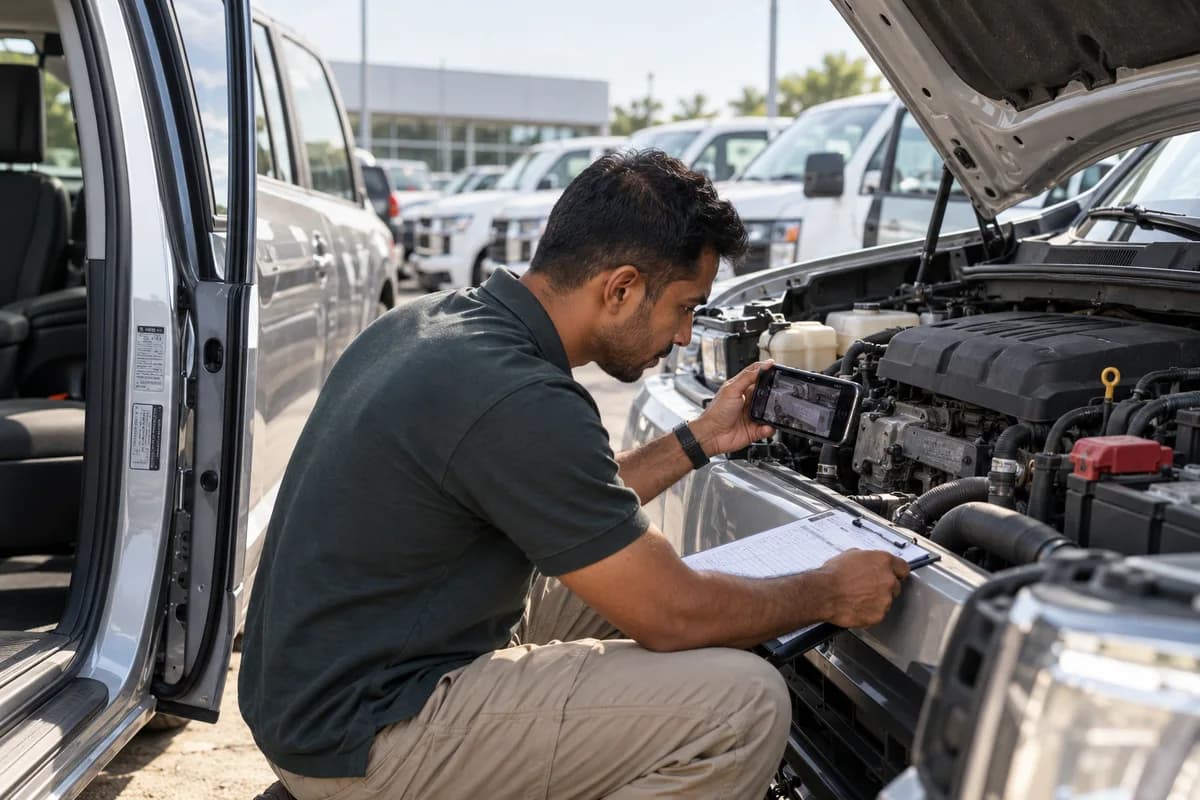
Read all three off the metal. The VIN names the whole vehicle, the chassis number is stamped on the frame and the engine number comes off the block, so one mistyped character breaks the chain. Record them the day the unit arrives.
Three numbers, three different jobs
The VIN identifies the whole vehicle and appears on the windscreen plate, the door pillar sticker and the registration certificate, while chassis and engine numbers are punched into metal. Punched metal cannot be peeled off.
On many cars the VIN and chassis number are one string, but motorcycles, trucks and older models can carry a shorter chassis number that differs from the VIN. Treat them as separate fields.
The engine number sits on the block and changes after a swap, so a used unit needs a fresh look at the metal, not a copy from old papers. Read it again.
- VIN: the vehicle identity on plate, pillar and papers
- Chassis number: stamped on the frame or body
- Engine number: stamped on the block, changes with a swap
- Manufacturer’s invoice number and model code beside them
Where each number gets checked
At registration, the transport office inspector compares the numbers stamped on the metal with your sale invoice and the manufacturer’s form, and one mismatch holds the file. Nothing moves until someone corrects the paperwork.
The insurer prices the policy from the VIN and engine details, so a wrong digit lets a claim be questioned years later, after the typist is forgotten. That is a bad surprise.
Service desks use the VIN to pull recall notices, warranty status and part fitment, and a bad entry sends the wrong brake pad to the bay. The mechanic loses an hour.
Record them at the gate, not at billing
Numbers copied from a delivery note get typed twice and read once, so send the yard supervisor to read each number off the metal and photograph the stamping. Walk, do not copy.
Capture the date, receiver’s name, odometer and key count in one sitting, then add the seller’s papers for used stock and note any repainted plate. Filed plates are a warning sign.
Billing then pulls from this record, so nobody retypes a number when the invoice is raised and the invoice, the form and the policy carry identical characters. Nothing drifts.
- Read from the metal, not from the paperwork
- Photograph the stamping with the unit in frame
- Store the receiver’s name and the date
- Lock the numbers once the invoice is raised
What goes wrong when records disagree
A transposed digit looks harmless, yet the customer cannot register the vehicle, the showroom holds the unit, and the lender delays the loan until the file is corrected. Small digits cost days.
Corrections after sale mean an amended invoice, a fresh manufacturer’s form and sometimes a letter from the factory, and each step pulls a person off real work for days. Time drains away.
Used stock is riskier, since a swapped engine, a cut chassis or a VIN plate that differs from the seller’s registration book can mean a stolen or rebuilt vehicle. Catch it early. One call to the seller does it.
Make the record searchable across the dealership
Spreadsheets break under two editors. A dealer system holds one record per unit and ties all three numbers to stock, sale, insurance and job cards, flagging duplicates the moment they are typed.
Ask for search by any partial number, since an advisor often holds only the last few characters, and ask for an edit history that shows who made each change.
Start this week. Walk the lot, read the numbers on every unit in stock, and compare them with the system before the next batch of files goes to the transport office. Fix every mismatch first.
Vehicle identity record sheet
Printable sheet with one line per unit and columns for stock number, VIN, chassis number, engine number, make and model, colour, odometer, keys received, receiver name and date. Two more columns hold a tick for the stamping photograph and registration file number, and a second block lists mismatch causes to check before a file is submitted.
Open a blank worksheet to printQuestions owners ask
Is the chassis number the same as the VIN?
Often on newer cars, not always. Motorcycles, trucks and older models can carry a separate chassis stamp, so record both fields and compare each against the registration papers instead of assuming they match.
Who checks these numbers after the sale?
The registration inspector, the insurer and the service desk each read them, and finance companies check them again before releasing a loan. Every one compares against your invoice. Mistakes surface late.
What if the stamped VIN differs from the registration book?
Stop the sale. Photograph the stamping, ask the seller or manufacturer for a written correction, and hold the registration request until every record agrees with the metal on the vehicle.
Can staff scan the VIN instead of typing it?
Yes. A phone camera or handheld scanner reads the plate and fills the field, but staff still compare the result with the stamped metal for chassis and engine numbers.