In this guide 6 sections
Four causes repeat in fresh grocery refunds. The picked weight differs from the billed weight, a substitute arrives that nobody chose, stock reaches the door with too little date left, or an item is missing. Each traces to a setting you control. Tag every refund with one cause first.
Tag every refund with one cause
Customers type what they feel. Poor quality. Not as expected. None of that tells you about the shelf or the scale, so give your care team a fixed list and make them pick exactly one entry.
Pull a month of refunds, sort them by cause and then by product, and you will usually find two or three products sitting behind most of the pile. Those are your first fixes.
Keep the customer’s words in a notes field too, because later you will need them to separate an overripe-fruit complaint from a crushed-box complaint or a late-van one.
- Weight differs from billed
- Substitute not wanted
- Too little date left
- Item missing
- Damaged in transit
- Wrong item sent
Weight billed against weight picked
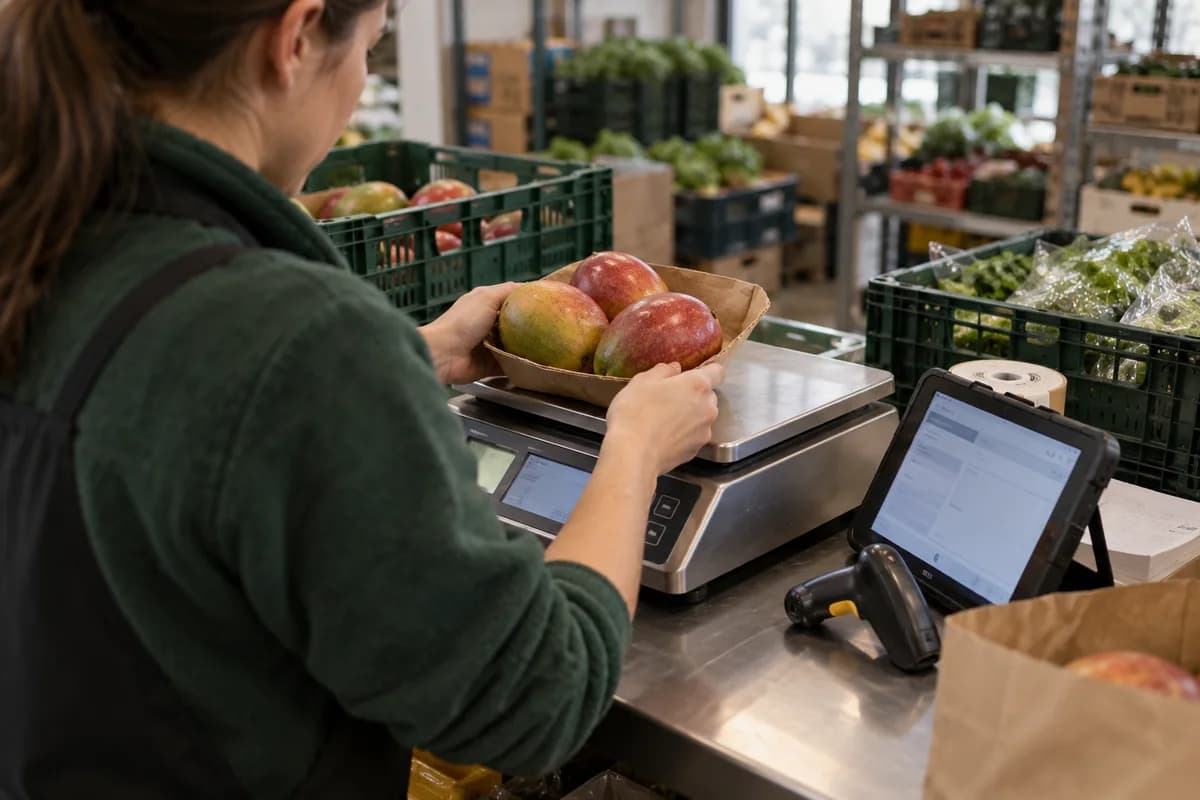
Salmon fillets, lamb chops, cheddar wedges and loose mangoes are catch weight goods, because the true weight is known only at the scale. Tins and boxed pasta never behave this way. A bag of mangoes is billed at a one kilo estimate and picked at one and a third, so the final charge exceeds what the basket showed. The buyer disputes it. Light packing causes the reverse.
Set a pick weight tolerance per product. The tolerance is a band either side of the ordered weight, narrow for sirloin and wide for loose plums, while the scale screen rejects readings outside it.
Charge the exact picked weight. Cap the total at the amount the buyer agreed to at checkout, and print the final weight beside each receipt line so the arithmetic is visible to the buyer.
Substitutions the buyer did not choose
A replacement can be wrong in size, brand, fat content or diet. A gluten-free loaf swapped for an ordinary one, or oat milk swapped for dairy, looks harmless on a pick screen. That is a safety problem first.
Every line gets a preference at checkout. Allow, ask first or no substitute. Default to no substitute for anything carrying an allergen or diet flag, and let the buyer change it item by item.
Set price rules too. A substitute should never cost more than the original. The receipt must name both items, and the picker needs the preference on the pick screen, not buried in a notes box.
- Preference stored per order line
- Safe default for flagged items
- Substitute priced no higher than the original
- Choice visible on the pick screen
- Receipt naming both items
Short dated stock and items that go missing
Short date starts at the dock. Log the date code on each delivered case. Give each product a floor for days of life on leaving the building, and let the pick list offer only lots that clear it.
When no lot qualifies, mark the item out of stock, because a gap in the basket costs less goodwill than a bag of rocket that expires tomorrow. Say so on the order page before the buyer pays.
Missing items come from picks marked found without a scan. Scan the barcode at pick, count bags at pack, and match line count to bag count before the lid goes on.
- Floor for days of life per product
- Oldest lot that clears the floor offered first
- Out of stock beats short dated
- Barcode scan at every pick
- Final count of lines against bags
Review the top five each Monday
Rank the top five products by refunds. Read the cause beside each one: weight refunds call for a tolerance change, date refunds for a higher floor, and substitution refunds for a stricter default.
Record the change, the day and the person. Without that note, nobody can tell whether a falling count came from the fix or from a quiet week.
Alter one setting at a time. Wait a week and read the next list. Only then touch the second. Two changes at once leave you guessing which one worked, and a refund count that moves for no known reason gets ignored next time.
Refund cause tally sheet
A weekly tally gives every cause (weight, substitution, date, missing, damaged and wrong item) a separate row. Columns hold the count, the three products named most often, the setting to adjust, the owner, the date of the change and the count a week later. A bottom strip names next week’s one change.
Open a blank worksheet to printQuestions owners ask
What is a pick weight tolerance?
It is the gap you allow between the ordered weight and the weight on the scale, set per product. Outside the band, the picker picks again. A supervisor can approve exceptions, and the approval is logged against the order for the weekly review.
Should we refund the whole item or only the difference?
For weight gaps, refund the difference. For wrong substitutes or spoiled stock, refund the full line and skip the return, since perishables cannot go back on a shelf.
How do we protect buyers with allergies from a bad substitution?
Flag allergen and diet items, default them to no substitute, and stop pickers from choosing a replacement whose allergen declaration differs from the original.
How soon should refunds fall after a change?
Read the next full week of orders. One week is noisy. Compare two or three before you declare success.