Lead Management for Two-wheeler dealers
Give each enquiry an owner, status and next action.
Does this function belong in your operation?
Use when enquiries arrive through several channels or follow-ups are missed.
A prospective buyer makes contact.
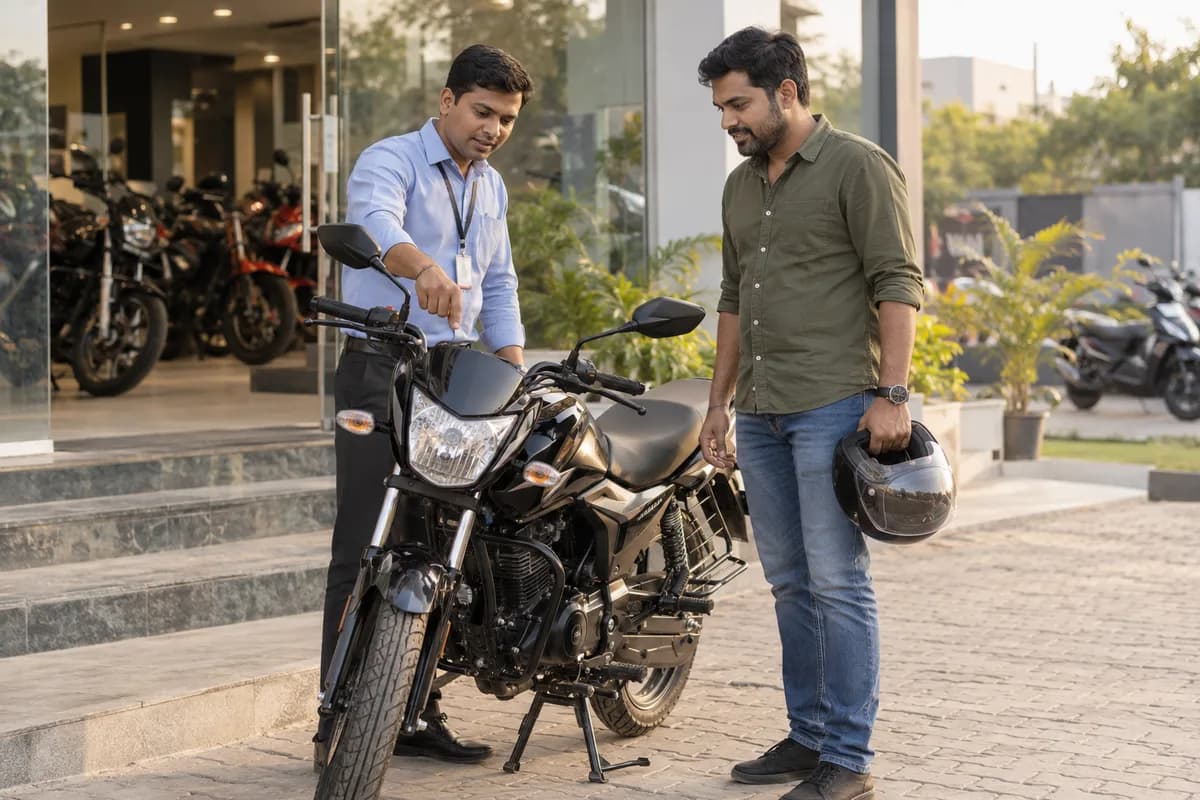
A busy two-wheeler desk needs to distinguish a model enquiry, a visitor who sat on a bike and a buyer who completed a test ride. Record the next action before the shift changes. Finance interest is a request for information, not a completed application. A household sharing one number can still contain separate buyers and separate bookings.
Bring the records the workflow depends on.
- Buyer, permitted contact and showroom source
- Scooter or motorcycle model, variant and purchase timing
- Viewed, ride-requested or ride-completed outcome
- Responsible executive and requested finance-information handoff
Outputs to check
- Two-wheeler enquiry and next-action register
- Ride requests awaiting an available demo
- Buyer responses and authorised finance-handoff history
Follow the lead management workflow.
Use this sequence to compare your current process with the proposed module. Agree the owner, permission and exception at each step.
Who uses the module, and who approves?
Keep responsibilities distinct even when one person holds more than one role.
Decide how exceptions are handled.
These business rules belong in configuration and testing. A normal transaction alone does not demonstrate that the workflow is ready.
Can this work independently?
Enquiries can be entered independently by showroom staff. Ride bookings, commercial proposals and orders link to the same requirement. Any external lead import or finance referral requires authorised access and permitted customer data. Interest or a follow-up call does not reserve a vehicle or establish a lender decision.
Systems and records it connects with
- Ride calendar: requested and completed demonstration references.
- Quotations and bookings: selected vehicle and accepted proposal.
- Permitted finance handoff: responsible external contact and actual submission reference.
Configure, test and introduce the workflow.
- Review walk-in and remote enquiry notes and agree the actual showroom outcomes.
- Test a shared family number, unavailable demo and finance-information request.
- Reconcile the shift handover list with uncontacted visitors and assign each next action.
Check the result before rollout.
Apply these checks to a sample from the agreed workflow, then repeat with an exception. Keep the expected result beside the test record.
- Viewed and ridden vehicles produce different recorded outcomes.
- Shared contact details do not merge distinct buyer bookings automatically.
- Finance interest does not create an approved application status.
How the business operates.
A two-wheeler showroom moves a buyer through model choice, test ride, commercial agreement and delivery of an identified motorcycle or scooter. Maintain chassis and applicable engine or motor identity through allocation, billing, documents and handover. This profile covers new-vehicle retail, finance referrals and a service handoff. Lending and registration decisions remain with their authorised parties.
The records that hold the operation together.
- Enquiry, model preference, contact permission and assigned follow-up
- Demo identity, ride request, check outcome and key return
- Accepted quotation with optional accessories and external-charge assumptions
- Booking advance, applicable booking terms and confirmed commitment
Operational bottlenecks to check
The demo bike is continuously out
Record actual key return and temporary unavailability, not just booked slots. A walk-in should leave with a truthful ride outcome or a specific next action.
Several similar bikes occupy the yard
A model-and-colour total can hide the wrong unit being sent to the outlet. Match chassis identity at receipt, transfer, allocation and handover.
How work flows across this business
This module sits within a wider operating process. Use the sequence to identify the other teams and records affected by a change.
1. Capture the buying request
Record the chosen models, purchase timing and whether finance information is requested. Preserve separate enquiries sharing a family phone. Assign the next step before the visitor leaves or the conversation ends.
2. Complete or reschedule the ride
Confirm demo and staff availability. Record required rider checks, key issue and return. If unavailable, retain the offered alternative or follow-up instead of claiming a completed ride.
3. Confirm the buying basis
Explain the vehicle and optional-item amounts, known charges and items awaiting confirmation. Keep a lender illustration separate. Record the accepted model and variant, booking terms and payment reference without inventing an allocation.
4. Allocate and clear open requirements
Assign a specific available unit. Track finance, documents, inspection and accessories separately. A changed colour or variant needs a revised decision and the applicable booking-change procedure.
5. Prepare the handover
Review the allocated chassis against the bill and document references. Check the agreed equipment and keys, authorised release conditions and customer arrangements. A festival collection request does not override an unresolved hold.
6. Record delivery and follow-up
Record the actual vehicle, recipient and supplied items. Reconcile receipts separately. Pass the confirmed sale and service-document reference to the responsible contact, with unfinished items assigned.
Industry reports to connect with
- Uncontacted enquiries, ride requests and next actions by model and executive
- Demo utilisation, missed rides and unresolved key returns
- Bookings by allocated chassis, pending documents and requested collection day
- Physical units by outlet, hold reason and confirmed allocation
Questions before implementation.
When should two-wheeler dealers consider lead management?
Use when enquiries arrive through several channels or follow-ups are missed. A prospective buyer makes contact.
What should we bring to the requirements discussion?
Bring anonymised examples of Buyer, permitted contact and showroom source; Scooter or motorcycle model, variant and purchase timing; Viewed, ride-requested or ride-completed outcome; Responsible executive and requested finance-information handoff. Show who creates, checks and changes each record. Use only records from an activity that meets the suitability conditions above.
Does this replace our existing business software?
The starting point is your current system and the gap you need to close. Give each enquiry an owner, status and next action. Configuration, a connected module or a custom build are evaluated against that gap before a replacement is proposed.
What is outside this module?
Lead tracking organises enquiries already received. Demand generation and the buyer’s sales decision remain separate activities.
How are scope, price and rollout decided?
The proposal follows a review of your records, user roles, branches and existing software. Data migration, connections, training and support are scoped separately where needed. Viewed and ridden vehicles produce different recorded outcomes. Use this check when reviewing the first working version.
Related functions for two-wheeler dealers.
Discuss lead management for your business.
Tell us which workflow needs attention and which systems your team uses. The next step is a requirements discussion and a written scope.
What happens after you share your requirements
- We review your brief and the systems you already use.
- We clarify the workflow, missing information and the work to consider first.
- The proposed scope sets out the deliverables, responsibilities and dependencies.
- Review the scope and commercial terms before deciding whether to proceed.
Start with your requirements
Describe your current process, the people involved and the change you need. Start with the details you know; we can clarify the rest together.
Share your requirements