Stock Tracking and Alerts for Cafes and coffee shops
Record stock movements and flag items reaching configured levels.
Does this function belong in your operation?
Use when the business holds physical stock or consumables requiring quantity control.
Goods are received, issued, transferred or counted.
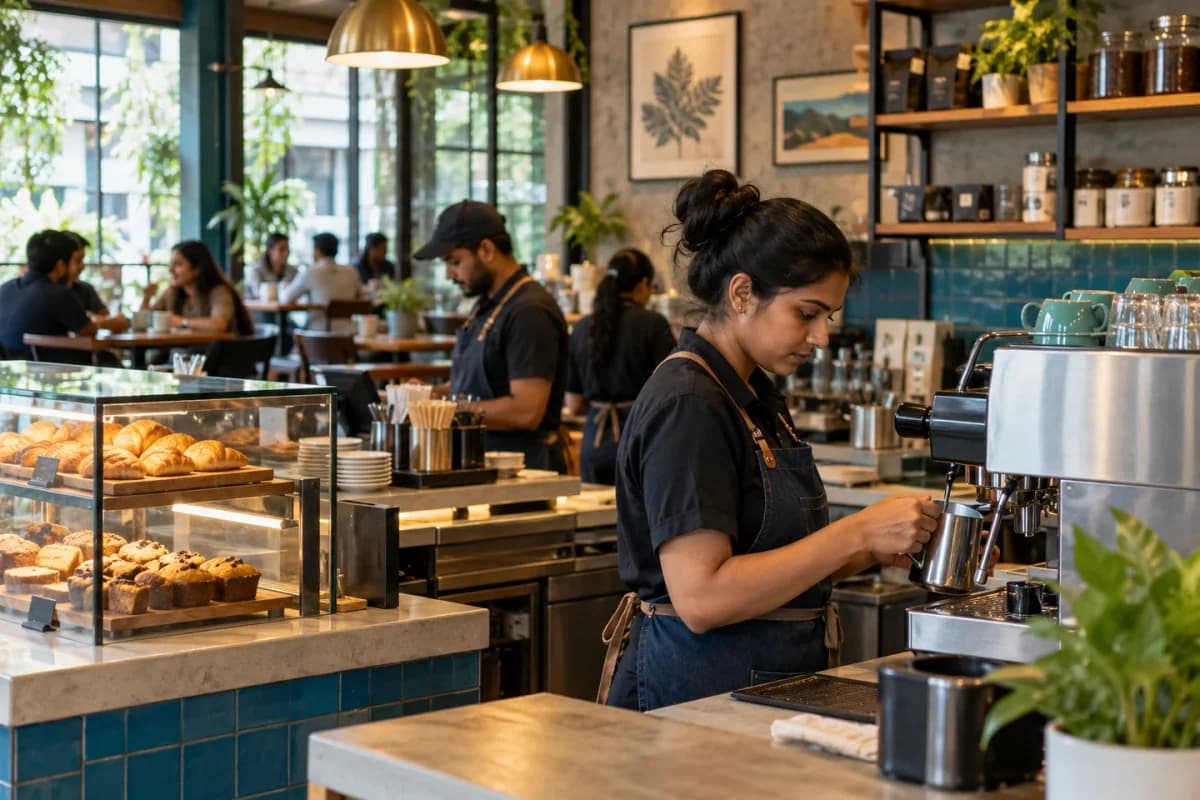
Beans, oat milk, cups and lids are counted down as drinks are sold. Alerts fire when a milk or a bean origin runs low. The opener sees the list first.
Bring the records the workflow depends on.
- Item and location list
- Opening quantities
- Reorder and movement rules
Outputs to check
- Item-location balance register
- Movement and count-adjustment history
- Replenishment exception list
Follow the stock tracking and alerts workflow.
Use this sequence to compare your current process with the proposed module. Agree the owner, permission and exception at each step.
Who uses the module, and who approves?
Keep responsibilities distinct even when one person holds more than one role.
Decide how exceptions are handled.
These business rules belong in configuration and testing. A normal transaction alone does not demonstrate that the workflow is ready.
Can this work independently?
Stock tracking can run from entered receipts and issues, but every physical movement needs a record. Purchase, sales, production and warehouse connections provide those movements. Reorder alerts signal a threshold; purchasing still decides quantity, supplier and approval.
Systems and records it connects with
- Purchase order management: Authorised supplier commitments and open line balances.
- Goods receipt: Counted, accepted and rejected supplier-delivery quantities.
- Point of sale billing: Counter sales, tender records and authorised returns.
- Multi-outlet stock: Outlet quantities and acknowledged transfer movements.
Configure, test and introduce the workflow.
- Show us the godown and the counters. A note lists the locations and the item groups.
- Supply levels per item and place, or ask for suggestions from history. Balances and alerts then appear for trial. A count is taken and loaded as the opening balance. The team checks a sample against the shelf.
- Each group practises receipts, issues and transfers. Short cards for the shelves follow. Alerts reach named people. A review once the opening season ends lists slow stock.
Check the result before rollout.
Apply these checks to a sample from the agreed workflow, then repeat with an exception. Keep the expected result beside the test record.
- Movements reconcile with location balances.
- Count adjustments retain approval.
- Alerts use the correct item and location threshold.
How the business operates.
A cafe sells a few hundred small tickets a day. Each flat white uses beans, milk, a cup and a lid, and every one of those is bought from a different supplier.
The records that hold the operation together.
- Counter billing. Bill dine-in and takeaway tickets with sizes, milk choices, extra shots and add-ons, and take payment by cash, card or wallet at the till.
- Bar screen and ticket queue. Send each ticket to the espresso bar and the kitchen pass in the order taken, with hot and iced drinks marked so the bar can plan its pulls.
- Drink recipes and cost per cup. Set grams of beans, millilitres of milk, syrup pumps and cup size for every drink, so the cost and margin of a cortado or an iced mocha is known.
- Beans, milk and packaging stock. Count beans by bag, milk by carton and cups by sleeve, with usage taken from drinks sold and a low-stock flag raised before the roaster’s order cut-off.
Operational bottlenecks to check
Drink cost is guessed, not known
A cortado and a large oat latte use different shots, milk and cups, but both sit at one price in the till. Margin by drink is never worked out. The menu drifts with supplier rates.
Pastry waste is written on a slate
Croissants, cookies and sandwiches are ordered by habit and thrown away at closing. Nobody records the count by item, so the next morning’s order repeats the same surplus.
How work flows across this business
This module sits within a wider operating process. Use the sequence to identify the other teams and records affected by a change.
1. Opening
The opening barista logs the grinder dial-in, counts the float and checks the pastry delivery against the baker’s slip. The shift lead sees stock flags for beans, milk and cups.
2. Order
The cashier enters the ticket with size, milk choice and extra shots, for dine-in, takeaway or a pre-order. The ticket appears on the bar screen in the order taken.
3. Make and serve
Baristas mark drinks done. Usage of beans, milk, syrup and cups is deducted using each drink’s recipe, and food items are deducted from the pastry case.
4. Restock
Items below their reorder level go onto a purchase order for the roaster, dairy or bakery. Deliveries are checked against it and the supplier invoice is kept beside the receipt.
5. Close
The cashier closes the drawer by payment type, records pastry leftovers and splits tips by hours worked. Differences are shown before sign-off.
6. Review
The owner reads margin by drink, waste by pastry, regulars who have lapsed and each site’s takings, then adjusts the menu or the next supplier order.
Industry reports to connect with
- Margin by drink, size and milk choice
- Beans, milk and cups used against bought, by site
- Pastry delivered, sold and binned, by item and day
- Loyalty cards redeemed and regulars lapsed for a month
Questions before implementation.
When should cafes and coffee shops consider stock tracking and alerts?
Use when the business holds physical stock or consumables requiring quantity control. Goods are received, issued, transferred or counted.
What should we bring to the requirements discussion?
Bring anonymised examples of Item and location list; Opening quantities; Reorder and movement rules. Show who creates, checks and changes each record. Use only records from an activity that meets the suitability conditions above.
Does this replace our existing business software?
The starting point is your current system and the gap you need to close. Record stock movements and flag items reaching configured levels. Configuration, a connected module or a custom build are evaluated against that gap before a replacement is proposed.
What is outside this module?
Recorded balances depend on timely movement entries. Physical availability must be confirmed through the agreed count and reservation process.
How are scope, price and rollout decided?
The proposal follows a review of your records, user roles, branches and existing software. Data migration, connections, training and support are scoped separately where needed. Movements reconcile with location balances. Use this check when reviewing the first working version.
Related functions for cafes and coffee shops.
Discuss stock tracking and alerts for your business.
Tell us which workflow needs attention and which systems your team uses. The next step is a requirements discussion and a written scope.
What happens after you share your requirements
- We review your brief and the systems you already use.
- We clarify the workflow, missing information and the work to consider first.
- The proposed scope sets out the deliverables, responsibilities and dependencies.
- Review the scope and commercial terms before deciding whether to proceed.
Start with your requirements
Describe your current process, the people involved and the change you need. Start with the details you know; we can clarify the rest together.
Share your requirements