Business solutions for Medical equipment distributors
Explore software for work such as “Reviewed device and accessory configuration records”. Review each business function below, including when it fits and what to check before implementation.
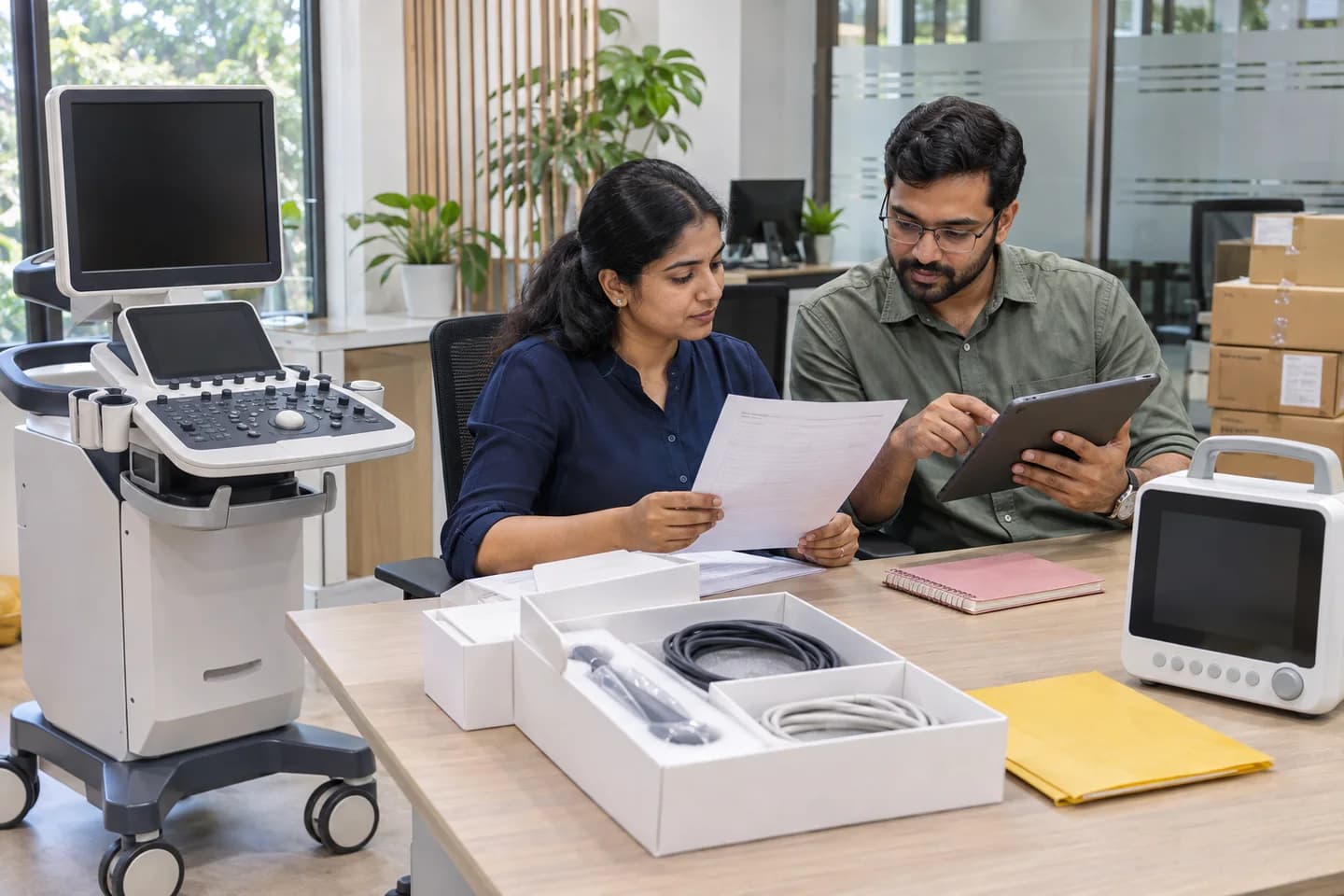
How the business operates.
A medical equipment distributor supplies identified devices and agreed accessories to healthcare organisations. The commercial buyer, clinical user, receiving store and biomedical team can have different responsibilities. Record the requested model and configuration, the approved supply scope and the people authorised to accept each stage. Equipment may be sourced for an order, held for supply or placed for a documented demonstration; physical custody alone establishes neither ownership nor sale. This work overlaps with medical-supplies distribution, but equipment serial identity, configuration and optional installation handover need their own records. Clinical suitability, device authorisation and technical release remain with the responsible qualified parties.
The records that hold the operation together.
- Institutional buyer, authorised order contact, receiving location and separate clinical, biomedical and accounts contacts with appropriate access permissions.
- Model, catalogue and configuration references, supplied serial or lot identifiers where applicable, accessories and source document versions.
- Quotation, customer purchase order, supplier acceptance and approved changes with the actual supply and optional-service boundaries.
- Demonstration placement or delivery record identifying declared owner, custodian, device, accessories and receipt differences.
- Scoped installation or acceptance report, buyer receipt reference, invoice-submission record and serial-linked complaint or supplier-notice history.
Operational bottlenecks to check
An accessory description hides a mismatch
Preserve the exact catalogue and device references used for the order. A similar connector or shared marketing name does not establish compatibility or authority to substitute.
Stores receipt is treated as clinical acceptance
Record the recipient’s role and the event acknowledged. Physical delivery, technical completion and the healthcare organisation’s decision to use the device require separate evidence.
Support evidence contains patient information
Limit commercial and service records to the device and necessary issue details. Any sensitive information needs the organisation’s approved access and handling process rather than unrestricted attachments.
Follow the work across teams.
This is a planning flow. Confirm the steps, owners and approval rules against your actual operation.
Roles and responsibility boundaries.
Reports your managers need.
- Orders awaiting supplier acceptance, product clarification or an authorised customer revision, grouped by purchasing organisation.
- Devices delivered with accessory differences or open scoped installation and acceptance actions.
- Invoices awaiting submission evidence, buyer response or payment, with disputed balances retained separately.
- Open equipment complaints and supplier notices linked to device identity, location and responsible follow-up owner.
Connections to scope
- Buyer purchase-order and receipt records can be referenced through agreed files or supported exchanges. Verify permissions and whether a buyer reference represents receipt, technical acceptance or billing review.
- Supplier service channels and accounting records need agreed access and shared device or order references. A saved serial number does not establish a connected portal, warranty entitlement or permission to process patient data.
Confirm data access, record ownership and the exchange method for each connection. Inclusion here does not mean every connection is available in a standard package.
Setup decisions and adoption risks.
Use these requirements to plan phases, data migration and user training. Agree the release sequence after reviewing your current systems.
Limitations to settle before implementation
- The distributor’s permitted product and service scope needs verification. A supplier relationship or recorded document does not establish regulatory approval, manufacturer appointment or clinical competence.
- Clinical selection, device safety, installation, calibration, maintenance and patient-use decisions belong to qualified responsible parties. This workflow provides no medical or technical procedure.
- Demonstration, loan, return, replacement and sale have different agreements and custody records. Neither payment nor delivery alone determines legal ownership or acceptance under every agreement.
- Product notices and complaints require the responsible organisation’s actual assessment and reporting process; a software case does not complete those obligations.
Modules to consider first.
These functions connect to the operating model above. Confirm each one against the work your business actually runs.
Choose the operation you want to improve.
Use these activities to explain your scope. Your business does not need every function in the directory.
- Reviewed device and accessory configuration records
- Institutional equipment quotations and purchase-order coordination
- Identified-device delivery and demonstration custody
- Scoped technical handover and acceptance follow-up
- Buyer bill-submission and equipment-complaint records
Explore the business functions.
Production, stock, fleet and recurring billing functions apply only where your business runs those activities. Read the suitability conditions on each page.
Finance & Accounting
CRM
Inventory Management
Helpdesk
Start with the problem your team can describe.
Bring a sample record and show where information is copied, missed or waiting for approval. Scope the first useful change from there.
What happens after you share your requirements
- We review your brief and the systems you already use.
- We clarify the workflow, missing information and the work to consider first.
- The proposed scope sets out the deliverables, responsibilities and dependencies.
- Review the scope and commercial terms before deciding whether to proceed.
Start with your requirements
Describe your current process, the people involved and the change you need. Start with the details you know; we can clarify the rest together.
Share your requirements