In this guide 6 sections
Treat the blanket order as one record with a total quantity, then cut it into dated release lots that each draw that total down. Finished pallets are held against the customer until the call-off date, and delivery runs are built by route and cut-off time. Every lot shows ordered, produced, held and dispatched quantities.
Start with the blanket order, not the release
A blanket order is a two-sided promise. The customer commits to a total quantity of cartons, sleeves or pouches over several months, and you commit to price, specification and a plate set kept on file.
Start with one header. It carries the total, the validity dates, the artwork revision and the plate set number that every release will reuse, so nobody hunts through old emails. Release lines hang beneath it.
Many desks keep this in a spreadsheet tab per customer, and that works until two coordinators edit the same file on the same afternoon. The balance drifts. Nobody can say what is still owed.
- Blanket total, validity dates and artwork revision
- Release number quoted by the customer’s buyer
- Requested date and the firm date you confirmed
- Running balance after every call-off
Split production lots from delivery lots
The press does not care what Tuesday needs. A make-ready on a die cutter or a changeover on a flexo line costs hours that nobody can bill, whatever quantity the customer calls off. Lots differ.
So plan two kinds of lot. The production lot is sized by the machine, the board or film roll and the die, so it is often larger than any single call-off. The delivery lot follows the call-off. One production lot usually feeds several deliveries. Link them.
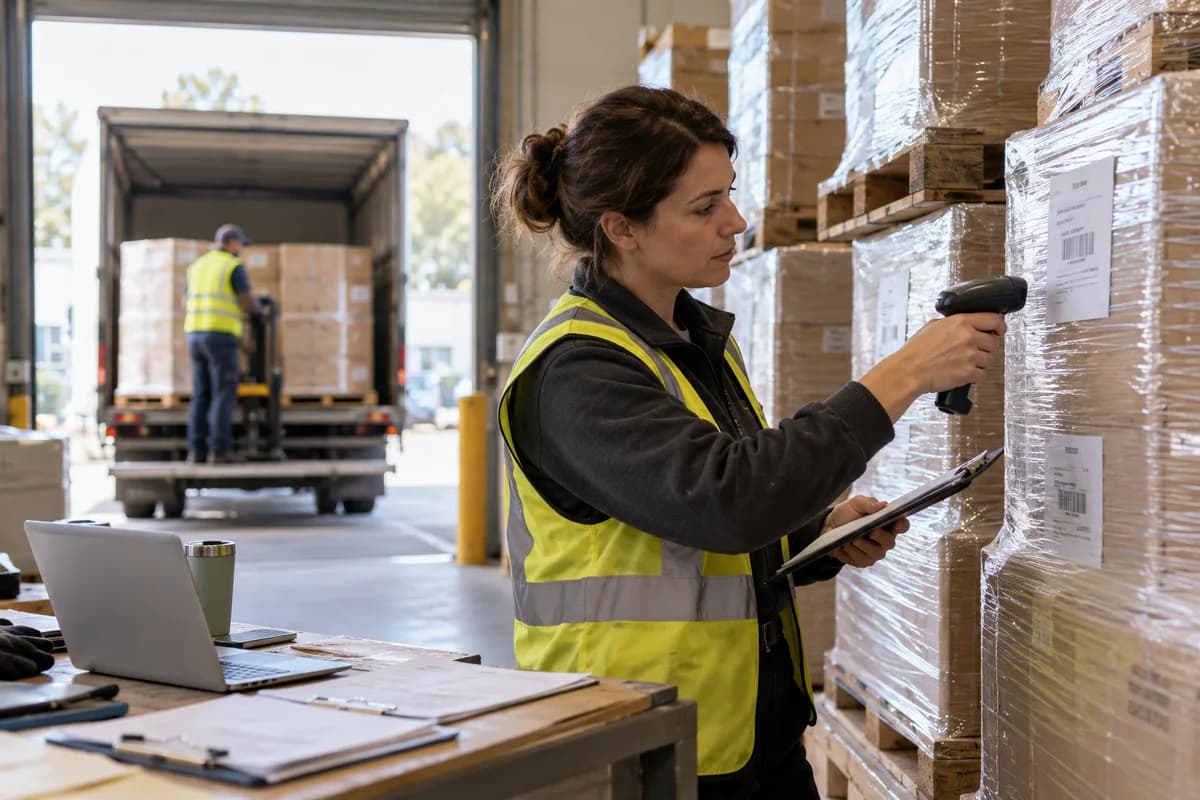
When a pallet comes off finishing, tag it to the blanket line, the production job and the bay where it will wait, before the stretch wrap goes on. A coordinator can then answer a buyer’s call in seconds, without walking the bays or phoning the night supervisor to ask what is left on the floor.
Hold stock against the customer
Held stock is call-off work’s quiet problem. Pallets sit in the bay for weeks, wrapped and labelled, while the same floor space is wanted for the next job that is waiting behind the roller door.
Give every held pallet a customer, a blanket line, a bay and a pallet count, and show its age on screen. Agree with the buyer how long you hold free, and what follows after that, such as a storage note or a forced release.
Check the held count against the blanket balance each Monday, walking the bays with the printout in hand and a pen for the differences. A mismatch means a pallet went to the wrong job, or that a reject was never booked out of stock, so look for both before blaming the count.
- Customer, blanket line and production job on each pallet
- Bay location and wrap or strap condition
- Days held against the agreed free period
- Weekly count against the system balance
Group delivery runs by route and cut-off
Once call-offs land, sort them by delivery date and then by area, so the dispatch desk sees which customers sit along one road. One van heading north with three small drops costs less than three vans, and each customer gets a single visit at the gate.
Set a cut-off time. Print it on the order confirmation. A call-off received after noon goes on the next day’s run unless the buyer asks for a special trip, so nobody is surprised by the rule.
Print a run sheet for each vehicle that lists drops in order, pallet counts, delivery note numbers, the gate contact and any unloading limits. Nobody should phone for a gate code.
Close each release with proof
A release is finished when the signed delivery note comes back, not when the van leaves the yard, since until then the pallet count is only a guess. Scan the note against the run. Flag any drop where the pallet count differs from the paper count, and ring the buyer before the next release is cut.
Update the blanket balance on that return. Then close the line. If a buyer disputes a quantity three months later, you want the note, the pallet tag and the production job sitting together in one place.
Take your busiest blanket customer first. Write out its total, its releases to date and the pallets you hold now, then add the cartons still on the press schedule. The gap marks your weakest step.
Call-off tracker sheet
One sheet per blanket order, kept short. The top block holds customer, artwork revision, total quantity and validity dates, while the table below has columns for release number, requested date, confirmed date and quantity. Further columns hold production job, pallets held, bay, run number and the flag for a signed note received back from the buyer. A footer shows ordered, produced, held and dispatched totals.
Open a blank worksheet to printQuestions owners ask
What is a call-off order in packaging?
It is one release against a blanket order. The customer agrees a total quantity up front, then asks for lots on dates of their choosing, while you produce and hold stock between releases. The blanket balance falls with every call-off.
How long should we hold finished stock for a customer?
Agree a free holding period in writing when the blanket order is placed, so the date a pallet turns chargeable is never argued over. After that you can apply a storage note or ask the buyer for a release date, and the system flags each pallet as it reaches that age.
Who decides the size of a production lot?
Production decides, based on the press, the die or plate set, the board or film and how long a changeover takes on that line. Sales sets the delivery lots. The two stay linked, so one production run can feed several call-offs while each delivery lot keeps its own date, quantity and pallet count.
What if a customer over-calls beyond the blanket total?
Flag it before the lot is released. The coordinator asks the buyer for an amended order, or treats the extra as a new job with its own price and plate check. A running balance makes the overshoot visible early.