Build a component system around your part numbers, your variants and your batches.
Component makers sell thousands of part numbers that differ by a size, a grade or a finish. A bolt exists in many lengths, coatings and property classes, and a valve in many bores, ratings and end connections, so one family becomes hundreds of lines.
A catalogue of that size cannot be kept in a spreadsheet for long. Variants get duplicated, a drawing revision goes out of date, and a batch is shipped without its test report.
GullySystem could build the part catalogue, the batch record and the test report as one system. Orders, production and dispatch would all point at the same part master.
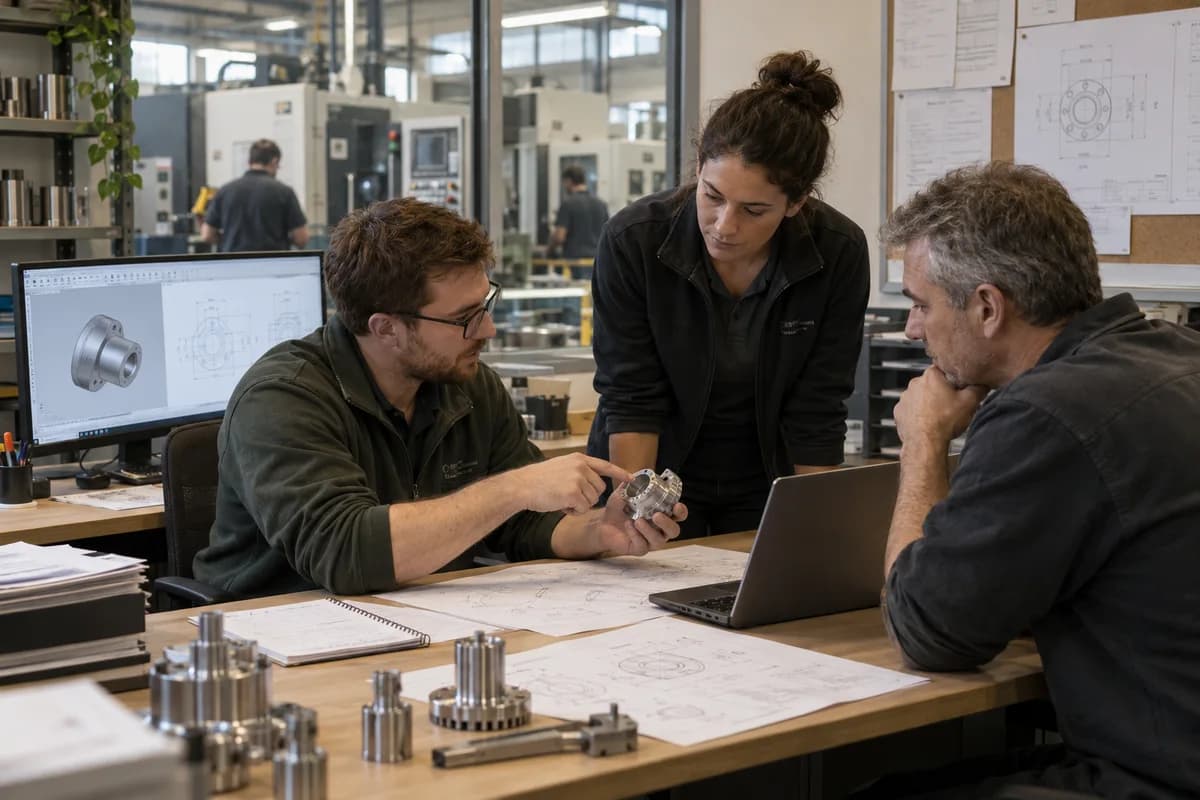
Component makers we could build for.
A fastener maker with cold headers and a valve maker who pressure tests differ in volume, since one ships in tonnes and the other by serial number.
- Fastener manufacturers
- Bearing manufacturers
- Gear manufacturers
- Shaft manufacturers
- Spring manufacturers
- Valve manufacturers
- Pipe fitting manufacturers
- Hydraulic component manufacturers
- Pneumatic component manufacturers
- Bush and sleeve makers
- Coupling manufacturers
- Seal and gasket makers
- Chain and sprocket makers
- Cylinder and actuator makers
- Component distributors with light assembly
- Export-oriented component units
The modules, and what each one covers.
Nothing here is a fixed package. Each module is built, left out or changed to match how your organisation already works.
Part master and variants
One part family can run to thousands of variants. The master holds what is common and records what differs.
- Part number and family
- Size, length, bore or pitch
- Material and grade
- Property class or hardness
- Finish or coating
- Thread, port or end connection
- Standard or customer drawing
- Drawing revision and date
- Weight per piece or per thousand
- Customer part number cross-reference
- Obsolete and superseded parts
Bill of materials and assembly
Valves, cylinders and bearings are assembled from bought and made parts. Each assembly has a list.
- Components per assembly
- Alternate materials allowed
- Bought-out parts and their suppliers
- Revision of the bill
- Serial number ranges
- Sub-assembly stock
- Kitting for assembly lines
Customer enquiry and quotation
- Enquiry with drawing or catalogue reference
- Price by size and quantity break
- Raw material price at the time
- Tooling cost for special parts
- Surface treatment cost
- Minimum order quantity
- Quote validity and revisions
- Currency per customer
- Quote converted to order
Orders, schedules and blanket releases
Many customers place a yearly order and release it in lots. The balance has to be visible.
- Sales order by part and quantity
- Blanket order with scheduled releases
- Customer call-off
- Delivery date promised
- Stock available against the order
- Part supplied from stock or produced
- Backorders
- Order changes and cancellations
Raw material and bought-out stock
- Wire rod, bar, tube, strip and forgings
- Grade and mill certificate
- Heat and coil number
- Receipt inspection
- Stock by size and location
- Material issue to work orders
- Offcuts and balance
- Supplier approval
Work orders and routing
- Work order from order or stock plan
- Route by part: heading, threading, turning, grinding, assembly
- Machine and operator
- Quantity at each stage
- Work in process by location
- Operation rates and cycle times
- Shortfall and excess at closure
- Scrap by stage
Tooling, dies and gauges
Heading dies, thread rolling dies, cutters and gauges wear. The tool record shows which job used them.
- Die and cutter numbers
- Pieces made per tool
- Regrind and replacement
- Gauge register
- Calibration due dates
- Tool crib issue and return
- Fixtures per part
Heat treatment and surface finishing
- Parts received from production
- Heat treatment batch
- Hardness check
- Plating or coating
- Baking or passivation
- Final check
- Batch and load number
- Furnace cycle and result
- Plating vendor and certificate
- Coating thickness
- Salt spray test where required
- Hydrogen embrittlement baking record
- Rework after a failed test
Inspection and test reports
Each product family has its own tests. A fastener is tested for torque and tensile load. A valve is tested for pressure.
- Incoming, in-process and final inspection
- Dimension sampling plan
- Tensile, proof load and hardness
- Torque and thread gauge
- Pressure and leak test for valves and fittings
- Hydraulic and pneumatic performance test
- Bearing noise and clearance check
- Test report per batch or serial number
- Customer inspection witness
Batch, lot and serial traceability
- Batch number against material heat
- Serial numbers for valves and bearings
- Packing lot linked to production batch
- Test report attached to the lot
- Customer complaint traced to batch
- Recall list by batch range
- Batch marking and labels
Rejection, returns and complaints
- Defect type and stage
- Scrap and rework quantity
- Customer return and reason
- Credit note raised
- Corrective action
- Complaint by part and customer
- Supplier-caused rejection charged back
Packing, labels and dispatch
Component customers often specify the pack, the label and the barcode.
- Pack size and carton type
- Customer label format
- Barcode or QR code on carton
- Weight and count verified
- Packing list
- Pallet and container loading
- Transport and delivery note
- Export shipment documents
Distributors, dealers and price lists
- Distributor and dealer master
- Price list by customer group
- Discount slabs
- Stock held by distributor
- Replenishment orders
- Credit limit and balance
- Territory and sales team
Invoicing and receivables
- Tax invoice in your tax rules
- Currency per customer
- Advance and part payments
- Credit terms
- Outstanding by age
- Collection follow-up
- Credit notes for returns
One connected workflow, end to end.
Every stage below can sit in one system, so nobody re-enters what the last stage already captured.
- Part master set up
- Enquiry and quote
- Customer order or schedule
- Material issued
- Production and tooling
- Heat treatment and finishing
- Inspection and testing
- Batch or serial marking
- Packing and labelling
- Dispatch
- Invoice and collection
You do not have to replace everything at once.
Each phase is usable on its own, so the system earns its place before the next part is built.
- 1
Part master and orders
The catalogue with its variants and drawing revisions, then the quotes, orders and blanket releases that read from it.
- 2
Production, tooling and stock
Work orders, routes, tool life, material stock and work in process.
- 3
Testing, batches and complaints
Test reports, batch and serial traceability, rejections and customer returns.
- 4
Dispatch, dealers and reports
Packing and labelling rules, distributor stock and price lists, invoices and owner views.
How a build actually runs.
- 01
Start with the catalogue
We sit with the sales desk and the planner to see how a part number is chosen and found.
- 02
Settle the variant rules
Size, grade, finish and ends are described as options on a family, not as separate rows.
- 03
Match the test to the family
Each product family gets the test sheet its customers expect, whether torque, pressure or clearance.
- 04
Build the part master first
Quotes, orders and production all read from it, so it must be right before they are added.
- 05
Run one family
Fasteners or valves, whichever is simpler, go live before the other families.
- 06
Move the catalogue carefully
Existing part numbers are cleaned and mapped before they are loaded, and duplicates are reviewed with you.
- 07
Add families and customers
More families, dealers and customer portals follow in the order that suits the plant.
What you bring, and when.
The build moves at the speed of the answers. These are the things we ask for, in the order we ask.
- 01
Part drawings, catalogues and routings
Share the part catalogue, a drawing, a routing and a batch card. Add a recent inspection report. They show how a size variant becomes a work order.
- 02
Planning, production, quality and stores
Each knows a different slice. Quality knows traceability. Planning knows the schedule. The plant head decides when rules differ.
- 03
How sizes, grades and coatings combine
Variant rules need fixing while modules are made. Supervisors test the screens on a live batch. Their comments arrive before work moves along.
- 04
Raw material stock and blanket orders
Stock in hand and blanket orders come across at cut-over. The plant head approves the day.
Systems we can put together for you.
- Part master and variant catalogue systems
- Bill of materials and assembly software
- Quotation tools with quantity breaks
- Blanket order and schedule management
- Tool, die and gauge registers
- Batch and serial traceability systems
- Test report and certificate software
- Heat treatment and plating batch records
- Packing and labelling systems
- Distributor and dealer ordering portals
- Complaint and return management
- Component stores and purchase systems
- Export documentation tools
- Multi-plant component platforms
Questions owners ask before starting.
What is custom industrial component software?
This is a system written for one maker’s part catalogue, variants, tests and customers, not an off-the-shelf package. Large variant lists and test reports are where packages usually stop fitting, because every family carries its own checks.
How are thousands of variants handled?
A family holds the common data, and options such as size, grade and finish generate the variants. This avoids typing each one separately.
Will one plant with several product types fit?
Yes. Each family can carry its own routes and test sheets while sharing the part master, stock and dispatch.
How are test reports produced for customers?
Results are recorded against the batch or serial number, and a report can be printed in the layout a customer expects.
What does it take to trace a complaint to a batch?
A batch number recorded at packing is enough. The system links it back to the material heat and the production run.
Does it handle barcodes and customer labels?
Yes. Label formats and barcode content can be configured per customer, and the printers on your dispatch bench are reviewed during design so each pallet label prints cleanly.
Can distributors order from it?
Yes. A portal can show a distributor the price list, stock and order status for their own account.
Do we have to drop our accounts software?
No, not necessarily. It can pass entries across or hold invoices itself, as decided during design.
What about export orders?
Currency per customer, packing lists and export documents can be included in the build. A plant with a single export destination can keep this simple.
How do we begin?
Share a part list, one customer drawing and a sample test report. We then describe what would be built and in what order.
How we work with this trade.
Ready products for this work.
If one of these fits, it is cheaper and faster than building from scratch. We will say so.
Build a component system that finds the right part first time.
Customers order by part number, and a wrong variant is a returned pallet. A clean catalogue is the first protection against it.
Send your part list and one batch of test reports. The written reply sets out how variants, batches and tests would be linked and which of them would come first.
Tell us how your industrial component manufacturers runs today.
We will tell you what can be digitised, what can be connected, what is worth automating, and what you should leave alone.
What happens after you share your requirements
- A senior engineer reads your answers. Nobody phones first.
- Within one business day you get a written note: what we understood, what we would start with, and the questions we still have.
- If it fits, a proposal follows with the order of work, what we need from you and what you receive at each step.
- No call is booked and nothing is paid until you have read the note. Your details stay with us.
Start with your requirements
Seven short steps that tell us what you need. A senior engineer reads them before anyone gets in touch.
Share your requirements