Task Management for Cloud kitchens
Give project work an owner, due date and visible status.
Does this function belong in your operation?
Use when work crosses people or requires follow-up beyond personal reminders.
A piece of work needs assignment or follow-up.
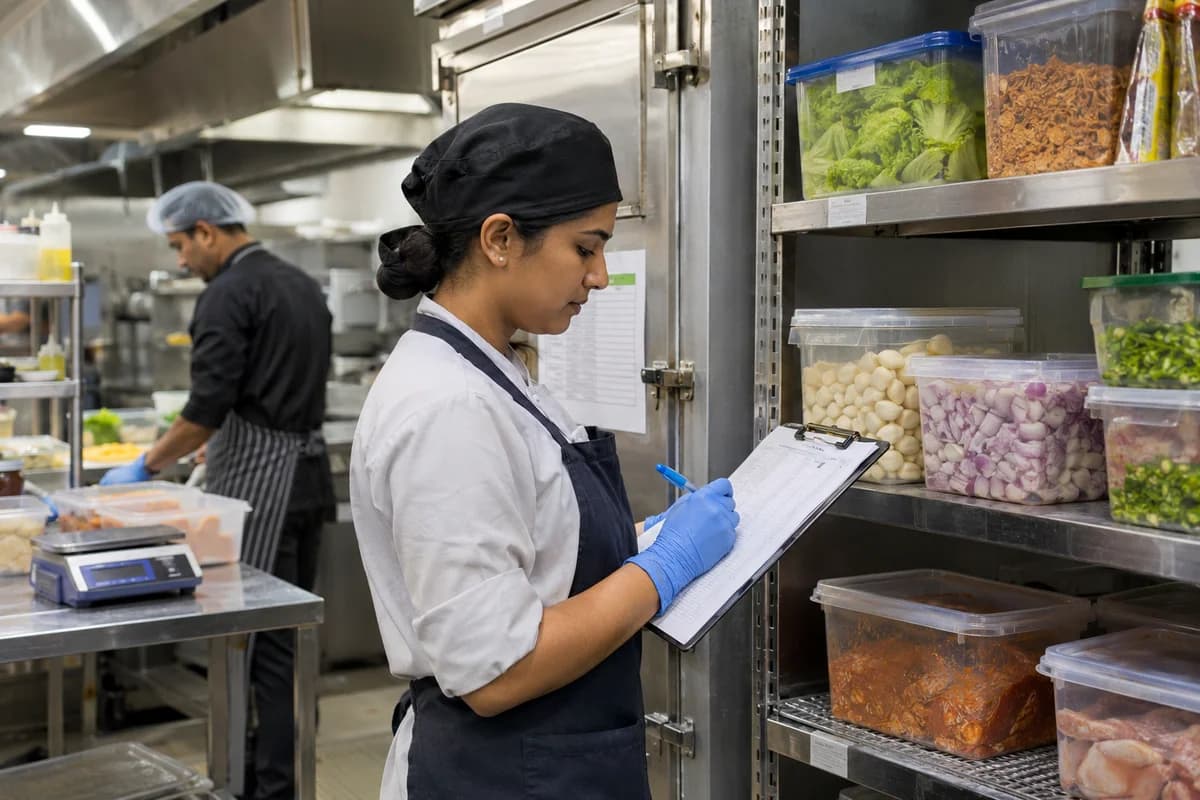
Cleaning the fryer, restocking sauces and counting boxes become tasks for named cooks at set shifts. The manager sees what was missed. Opening and closing checklists are ticked on a tablet.
Bring the records the workflow depends on.
- Task descriptions
- Owners and due dates
- Project and dependency references
Outputs to check
- Owned task register
- Overdue and blocked-work list
- Completion and handover history
Follow the task management workflow.
Use this sequence to compare your current process with the proposed module. Agree the owner, permission and exception at each step.
Who uses the module, and who approves?
Keep responsibilities distinct even when one person holds more than one role.
Decide how exceptions are handled.
These business rules belong in configuration and testing. A normal transaction alone does not demonstrate that the workflow is ready.
Can this work independently?
Tasks can stand alone with named users and due dates. Project schedules, time records and document approvals provide context when connected. Completing a task should not automatically post an invoice, release stock or approve a document unless that separate handoff is explicitly designed.
Systems and records it connects with
- Project timelines with Gantt charts: Planned dates, dependencies and recorded milestone progress.
- Project time tracking: Approved task hours and their billable classification.
- Notifications: Approved event messages and delivery or failure status.
- Client portal: Permitted customer documents, requests and account views.
Configure, test and introduce the workflow.
- Name the kinds of tasks your team handles. We return task types and checklists for each.
- List the clients or projects tasks belong under. A structure arrives to browse. Open tasks from your sheets or chats are loaded. Owners are checked and dates fixed.
- A few people use it daily. Phone use is tested, and the rest join after changes.
Check the result before rollout.
Apply these checks to a sample from the agreed workflow, then repeat with an exception. Keep the expected result beside the test record.
- Open tasks have an owner.
- Overdue tasks are identifiable.
- Closed work retains its completion record.
How the business operates.
A cloud kitchen has no dining room. It has a pass, a row of stations and three or four delivery brands that all draw on the same walk-in fridge.
The records that hold the operation together.
- Channel order intake. Bring orders from each delivery app and the brand’s own link into one queue, tagged by brand, channel and promised pickup time, with accept and reject rules.
- Brand menus and item pauses. Keep a separate menu for each virtual brand over shared recipes, and pause an item on every brand at once when its ingredient runs out.
- Station tickets and kitchen screens. Split each order into tickets for grill, fryer, wok and cold pass, and show the pass which parts of a combo are still open.
- Prep lists and batch cooking. Build the morning prep list from expected orders, record gravies and marinades made in batches, and note the discard time of each batch.
Operational bottlenecks to check
Each app is a separate tablet
Orders, menu edits and item pauses are handled app by app. A dish sold out on one brand stays live on another, and the kitchen cooks an order it cannot finish.
Every brand draws on one walk-in
Chicken, rice and sauces are shared across menus, yet stock is counted once a week. Nobody knows which brand consumed the chicken thighs or the marinated wings.
How work flows across this business
This module sits within a wider operating process. Use the sequence to identify the other teams and records affected by a change.
1. Menu and brand setup
Each virtual brand gets its menu, prices and packaging. Recipes are shared. Item availability is controlled once and pushed to each channel as far as its access allows.
2. Order intake
Orders from each delivery app and any direct link enter one queue, tagged by brand and channel with a promised pickup time. The manager accepts or rejects against kitchen load.
3. Cook
Each order splits into tickets for the grill, fryer, wok and cold pass. Cooks mark their part done, and the pass sees when every part of a combo is ready.
4. Pack and hand over
The packer seals the box and adds the label. Then the order is marked packed. The rider’s arrival and pickup time are recorded so waits at the hatch are measured.
5. Stock and prep
Cooked dishes deduct their recipes from the shared walk-in. Tomorrow’s prep list is built from expected orders and what the fridge already holds.
6. Settle
Each app’s payout statement is matched to its orders, commission, refunds and penalties. The owner reads profit by brand after all deductions.
Industry reports to connect with
- Orders by brand, channel and hour
- Ingredient use by brand against purchases
- Plate cost and margin after commission by dish
- Rider waits at the hatch by app
Questions before implementation.
When should cloud kitchens consider task management?
Use when work crosses people or requires follow-up beyond personal reminders. A piece of work needs assignment or follow-up.
What should we bring to the requirements discussion?
Bring anonymised examples of Task descriptions; Owners and due dates; Project and dependency references. Show who creates, checks and changes each record. Use only records from an activity that meets the suitability conditions above.
Does this replace our existing business software?
The starting point is your current system and the gap you need to close. Give project work an owner, due date and visible status. Configuration, a connected module or a custom build are evaluated against that gap before a replacement is proposed.
What is outside this module?
A completed status records the team's decision rather than independent proof that work meets a standard.
How are scope, price and rollout decided?
The proposal follows a review of your records, user roles, branches and existing software. Data migration, connections, training and support are scoped separately where needed. Open tasks have an owner. Use this check when reviewing the first working version.
Related functions for cloud kitchens.
Discuss task management for your business.
Tell us which workflow needs attention and which systems your team uses. The next step is a requirements discussion and a written scope.
What happens after you share your requirements
- We review your brief and the systems you already use.
- We clarify the workflow, missing information and the work to consider first.
- The proposed scope sets out the deliverables, responsibilities and dependencies.
- Review the scope and commercial terms before deciding whether to proceed.
Start with your requirements
Describe your current process, the people involved and the change you need. Start with the details you know; we can clarify the rest together.
Share your requirements