Software Solutions for Bird Supplies Sellers
Bird supplies depend on species. A seed blend for a parakeet is wrong for a finch, and a cage must have the right bar spacing and size. Sellers online need blends sold by weight, short shelf lives watched, and cage dimensions held as fields.
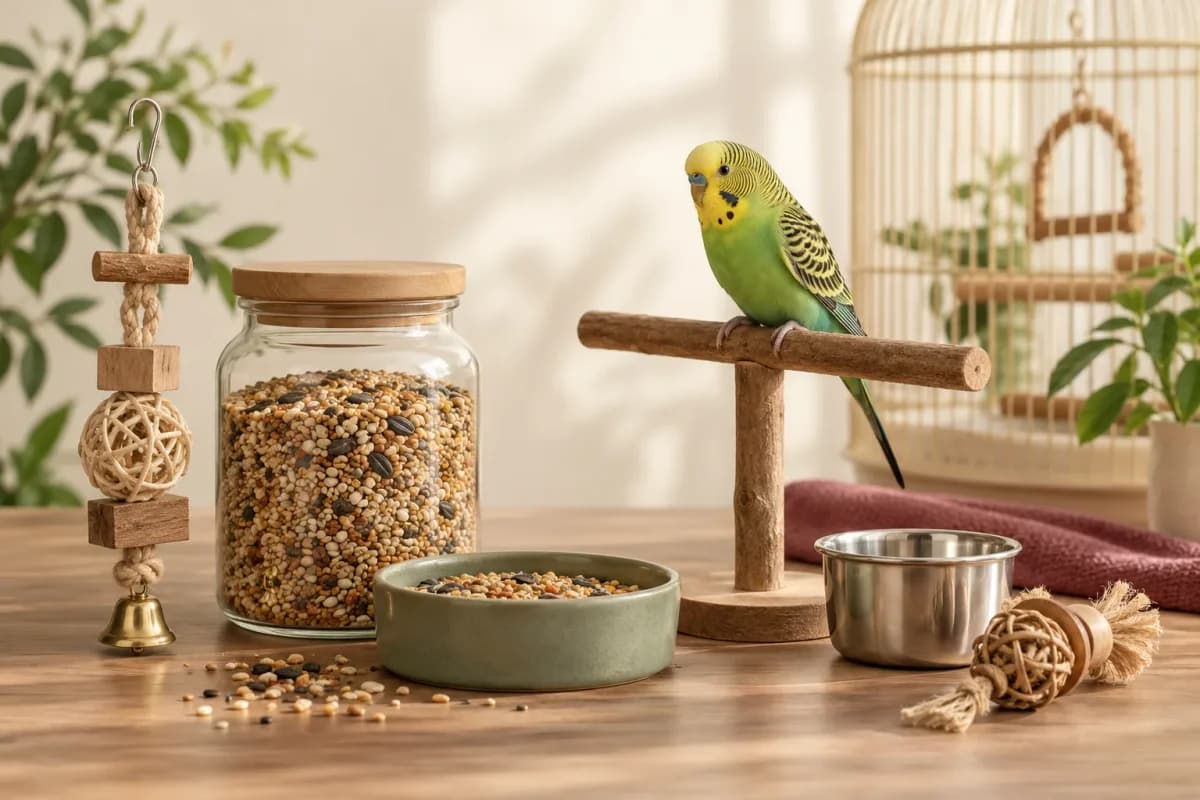
Sell seed blends by weight and cages by dimension, with species named on every item.
Seed goes stale and attracts pests if it sits too long. The batch record behind each bag matters more here than for most goods.
Bird food and supply shops
A shop sells blends, millet, perches and cages, and weighs loose seed for walk-in customers.
Blend makers
A maker mixes its own seed and sells it direct, with each batch dated.
Breeders and aviary keepers
A buyer with an aviary orders large sacks and cages in quantity and expects trade pricing.
The workflow for bird supplies.
- 1
Species set on each item
Every product carries the species it suits, as a field that the store filters on.
- 2
Blend weighed and packed
A loose blend is weighed to the order, bagged and labelled with its batch and date.
- 3
Shelf life watched
The oldest batch is picked first, and stock near its end date is flagged.
- 4
Cage specified
A cage is listed with its overall size, bar spacing and door sizes, so the buyer can match it to the bird.
- 5
Bulky cage shipped
Cages travel flat or assembled, with the cost shown before payment.
The challenges, and what they cost.
What is specific to this trade.
These are requirements we would confirm in discovery. They describe what the solution may need to handle. They are not features that already exist.
- Species held as a filterable field on every product
- Batch and date recorded for loose seed
- Cage dimensions and bar spacing as fields
- A rule for stock close to its date
What we would build for bird supplies.
Chosen from the commerce capabilities this business needs, not a list of everything.
Who works in the system, and what each can do.
What it would connect to.
An integration is confirmed only after its API, access and scope are checked. A connection that updates on a schedule is described as scheduled, not real-time.
- Blend recipes and supplier sheets, loaded by file
- A label printer, if the shop already has one
- Carriers for flat-pack cages, trialled before the store opens
How the work runs, and what we need from you.
What you provide
- Your blends, recipes and batch practice
- Your cage range and its dimensions
- Your shelf-life rule
Record the batch
The batch label is designed first, since loose-weight orders depend on it.
Check one species first
One bird type is set up end to end, so the filter and batch labels can be tested on a small range.
What you receive.
- A species and dimension structure
- A loose-weight order flow
- Batch labels and a near-date report
- Carriage rules for cages
How progress is judged.
Measures are agreed against your own baseline. We do not promise a result in advance.
- Seed sold within its date rule
- Questions about cage dimensions answered by the listing
Selling at home and abroad.
Buyers abroad may use other species names and cage measurements in inches. Rules about importing bird food and cage materials differ by country, so your adviser reviews them.
The wider requirements for pet supplies are on the Pet Supplies page.
Related subcategories.
Pet Supplies E-commerce & Inventory Software
Configured implementation
Your platform is selected jointly during discovery. No GullySystem product covers pet supplies retail, and the chosen platform sets the limits of what can be altered.
A species filter, loose-weight selling and cage fields are configuration of the category solution.
Read about the softwareTest the order that does not follow the usual path.
Bring an awkward order or catalogue example to discovery and agree who handles the exception.
Loose-weight selling
Do purchasing, operating and billing quantities use the same unit?
Check the measurement unit and rounding used in “Loose-weight selling”. Compare the result with a known sample before accepting a converted quantity or calculated charge.
Background reading: ERPNext: units of measure
Stale stock sells
Which location and stock state support the delivery promise?
Use “Stale stock sells” to follow an item moved between two locations. Distinguish stock on hand, stock already committed and stock still travelling before presenting an available quantity to a buyer.
Background reading: Shopify: inventory and locations
Questions about bird supplies e-commerce.
Can the store sell seed by the gram?
Yes. It takes a weight from the buyer, draws it from bulk stock and prints a batch label.
Does it say which seed is right for a bird?
It filters by the species you assign. Feeding advice beyond that belongs to a vet or an experienced keeper.
Do you cover the sale of live birds?
No. The store handles supplies. Selling live animals needs rules and care that are outside this page.
Talk through your commerce requirement.
Share what you sell, where orders arrive and how you manage stock and fulfilment today.
- Your products and sales channels
- Your order and stock workflow
- The connections you need
Start with your requirements
Describe your current process, the people involved and the change you need. Start with the details you know; we can clarify the rest together.
Share your requirements