Software Solutions for Headphone Sellers
Headphones are chosen by type, comfort, sound signature and use: commuting, gaming, studio work or flights. Sellers online need wired and wireless details recorded correctly, replacement parts such as pads and cables linked, and a return rule for headphones that have been worn.
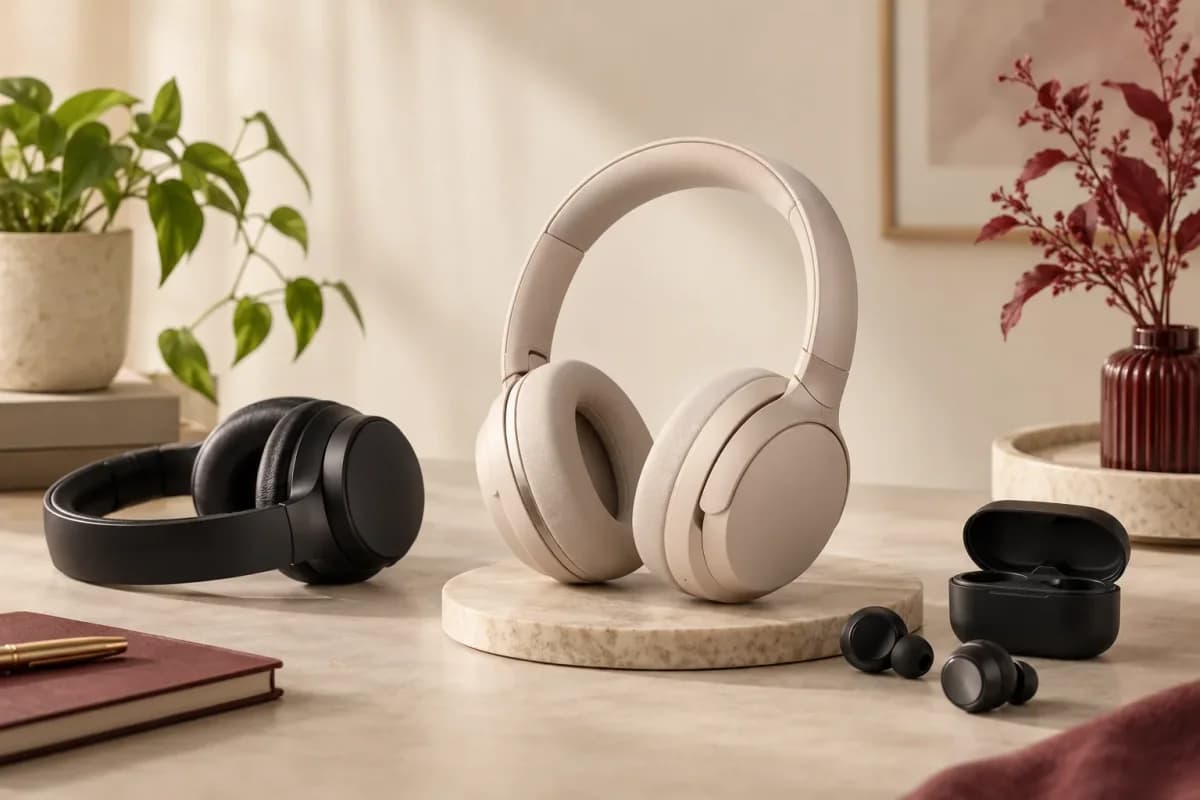
Describe headphones by type and impedance, and handle worn ear pads sensibly.
Over-ear and on-ear headphones are bought for comfort that no listing can fully show. That makes returns a bigger part of the business than with most small electronics.
Consumer headphone brands
A brand sells wireless and wired models direct and through marketplaces, and supports them with spare pads and cables.
Studio and professional dealers
A dealer sells monitoring headphones to musicians and engineers who ask about impedance and cable length.
Multi-brand electronics stores
A store lists several headphone brands and follows each one’s scheme dates and warranty terms.
The workflow for headphones.
- 1
Type and specification listed
Each model records whether it is over-ear or on-ear, wired or wireless, with impedance, battery and noise-cancelling data.
- 2
Spare parts linked
A buyer can reorder pads, cables and carry cases for a model without buying a whole new pair.
- 3
Pair packed and scanned
The serial on the box and on the unit is scanned together, and a missing cable or case is caught before dispatch.
- 4
Worn-item return judged
The seller’s rule on opened headphones decides whether a return ends in refund, open-box resale or refusal.
- 5
Firmware and fault claim
A fault report notes the firmware version where relevant, then routes the unit to replacement or the brand.
The challenges, and what they cost.
What is specific to this trade.
These are requirements we would confirm in discovery. They describe what the solution may need to handle. They are not features that already exist.
- Form, impedance and connector held as fields
- A written return rule for opened headphones
- Pads and cables tied to the right model
What we would build for headphones.
Chosen from the commerce capabilities this business needs, not a list of everything.
Who works in the system, and what each can do.
What it would connect to.
An integration is confirmed only after its API, access and scope are checked. A connection that updates on a schedule is described as scheduled, not real-time.
- Billing and stock from your shop system, or a spreadsheet if there is none
- A payment gateway with card and UPI checkout
- A courier account that can carry boxed electronics with batteries
How the work runs, and what we need from you.
What you provide
- Your range with technical data and spare parts
- Your present rule on opened and worn returns
- The serial format printed on boxes and units
Fit fields from enquiries
We list the technical questions customers send and add those as fields.
Write the return rule
The worn-item rule is agreed with you in plain words before it is built.
What you receive.
- A headphone catalogue structure
- A spare-parts link set
- A worn-return flow with open-box grading
- A claim record by serial
How progress is judged.
Measures are agreed against your own baseline. We do not promise a result in advance.
- Returns judged under the written rule
- Spare parts ordered without a full pair
Selling at home and abroad.
Mains plugs on charging cables and the wireless standards a headphone supports can differ by market. Listings state both, and the seller’s hygiene and return terms are set for each region.
The wider requirements for audio products are on the Audio Products page.
Related subcategories.
Audio Products E-commerce & Order Management Software
Configured implementation
Not an existing GullySystem product. The store, its order steps and its stock links are assembled on a storefront platform selected once discovery shows what fits. A seller with a shop can keep serial stock and billing in the retail product linked on this page.
Fit, hygiene returns and serial warranty are all handled by the standard solution’s return classes and warranty record.
Read about the softwareExisting GullySystem products that apply
Related services
Selling in a shop as well?
Test the order that does not follow the usual path.
Bring an awkward order or catalogue example to discovery and agree who handles the exception.
Type and impedance fields
Can the buyer verify the detail that determines whether this item fits?
For “Type and impedance fields”, compare one listing with its approved product record. Check the identifier, measurements and compatibility information, and agree who resolves missing or conflicting details before publication.
Background reading: Shopify: product details
Open-box grading
Are the physical return, replacement and refund separate decisions?
For “Open-box grading”, use a partial return from an order containing several items. Agree what is inspected, what becomes sellable stock again, and which amount or replacement is owed before closing the case.
Background reading: Shopify: returns, exchanges and refunds
Questions about headphones e-commerce.
Can we refuse a return of used headphones?
That is your policy. The system applies it and keeps the reason on the order for later reference.
Will it show which ear pads fit a model?
Yes, where you record the link. The accuracy depends on the data entered.
Does it support firmware updates for the headphones?
No. Firmware is supplied by the brand. The system can store the version a customer reported with a claim.
Talk through your commerce requirement.
Share what you sell, where orders arrive and how you manage stock and fulfilment today.
- Your products and sales channels
- Your order and stock workflow
- The connections you need
Start with your requirements
Describe your current process, the people involved and the change you need. Start with the details you know; we can clarify the rest together.
Share your requirements