Software Solutions for Maternity Clothing Brands
Maternity clothing is worn for a few months by a body that keeps changing. Buyers choose by pre-pregnancy size, stage and occasion, need delivery before a date that cannot move, and return more than most clothing buyers. Brands online need stage-aware sizing, delivery promises and exchange windows that fit the calendar.
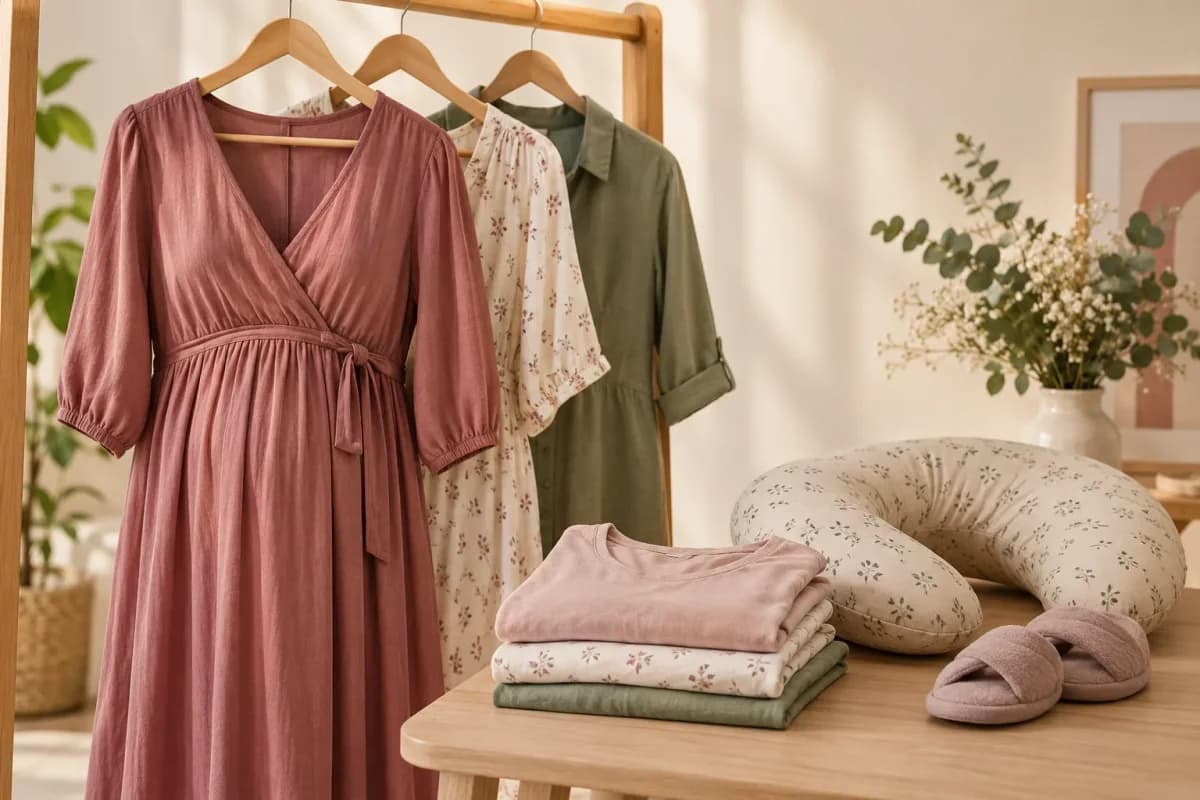
Size for a changing body and deliver before the due date.
Most clothing is sized for a body that stays put. Maternity clothing is sized for one that will not, so the right size in month five is the wrong one in month eight.
Maternity-only brands
A brand designs only for pregnancy, with stretch panels, adjustable waists and feeding-friendly cuts.
Fashion brands with a maternity line
A general label adds a maternity range and sells it beside its regular clothes.
Occasion and ethnic wear sellers
A seller makes festive and celebration outfits for pregnant women, with made-to-measure orders.
The workflow for maternity clothing.
- 1
Stage and size chosen
A buyer gives a pre-pregnancy size and the month of pregnancy and sees pieces that suit both.
- 2
Due-date check at checkout
The expected delivery date is compared with the date given, and a risky choice is flagged.
- 3
Made-to-measure orders
Occasion outfits take measurements, a fitting note and a longer lead time.
- 4
Exchange inside a window
A size can be swapped within a window set for stage, since waiting too long makes the swap pointless.
- 5
Reuse after birth
The same pieces are shown again as postpartum or feeding wear.
The challenges, and what they cost.
What is specific to this trade.
These are requirements we would confirm in discovery. They describe what the solution may need to handle. They are not features that already exist.
- Pre-pregnancy size and stage held on the order
- A delivery promise that accounts for the buyer’s date
- Exchange rules that suit the calendar
What we would build for maternity clothing.
Chosen from the commerce capabilities this business needs, not a list of everything.
Who works in the system, and what each can do.
What it would connect to.
An integration is confirmed only after its API, access and scope are checked. A connection that updates on a schedule is described as scheduled, not real-time.
- Retail billing and stock in a shop, such as GullySystem’s clothing store product
- Courier services that quote delivery dates, once their service is confirmed
- Marketplace listing tools, when each channel’s access is clear
How the work runs, and what we need from you.
What you provide
- Your size chart by stage
- Lead times for stock and made-to-measure items
- Your exchange and return terms
Build the stage guide
The sizing questions are drawn up from how your stylists already advise customers.
Test the date logic
Delivery promises are checked against real parcels before the warning rules are switched on.
What you receive.
- A stage-aware size guide
- Delivery-date warnings
- A made-to-measure order flow
- An exchange window
How progress is judged.
Measures are agreed against your own baseline. We do not promise a result in advance.
- Returns with the reason recorded as size or stage
- Parcels that arrived after the date the buyer gave
Selling at home and abroad.
Seasons and fabric needs differ between markets, and sizes use different scales. The catalogue keeps local sizes beside yours, and duties on clothing are checked with the carrier.
The wider requirements for maternity products are on the Maternity Products page.
Related subcategories.
Maternity Products E-commerce Software
Configured implementation
Platform selection happens in discovery. Stage sizing, delivery-date warnings and hygiene-based return rules are then added to it. No GullySystem product is named for this solution. The platform sets the outer limits.
Stage-based sizing and delivery-date warnings are catalogue and checkout configuration within the category solution.
Read about the softwareExisting GullySystem products that apply
Related services
Selling in a shop as well?
Test the order that does not follow the usual path.
Bring an awkward order or catalogue example to discovery and agree who handles the exception.
Variants multiply
Does each sellable combination have the right stock and price?
Choose an example from “Variants multiply” with more than one option. Check the selected combination, item identifier, available quantity and price through to the order, including a combination that should not be sold.
Background reading: Shopify: product variants
Returns are high
Are the physical return, replacement and refund separate decisions?
For “Returns are high”, use a partial return from an order containing several items. Agree what is inspected, what becomes sellable stock again, and which amount or replacement is owed before closing the case.
Background reading: Shopify: returns, exchanges and refunds
Questions about maternity clothing e-commerce.
Can the site warn a buyer that delivery will be too late?
Yes. It compares the date given with the carrier’s lead time and warns when the margin is thin. It cannot promise the courier’s timing.
Does the guide give medical advice on weight gain?
No. It suggests clothing sizes from the measurements given. Anything about health is for the buyer’s doctor.
Can we take made-to-measure orders?
Yes. A card holds measurements, notes and approvals, and the order moves to the tailoring team.
Talk through your commerce requirement.
Share what you sell, where orders arrive and how you manage stock and fulfilment today.
- Your products and sales channels
- Your order and stock workflow
- The connections you need
Start with your requirements
Describe your current process, the people involved and the change you need. Start with the details you know; we can clarify the rest together.
Share your requirements