Bereavement support for hospice families
A hospice’s care for a family does not end with a death. This feature schedules calls, letters and group invitations for each bereaved family. They show on the coordinator’s list when they fall due, and acceptance is noted. Follow-up stops depending on one person’s diary, and it carries the family’s history forward.
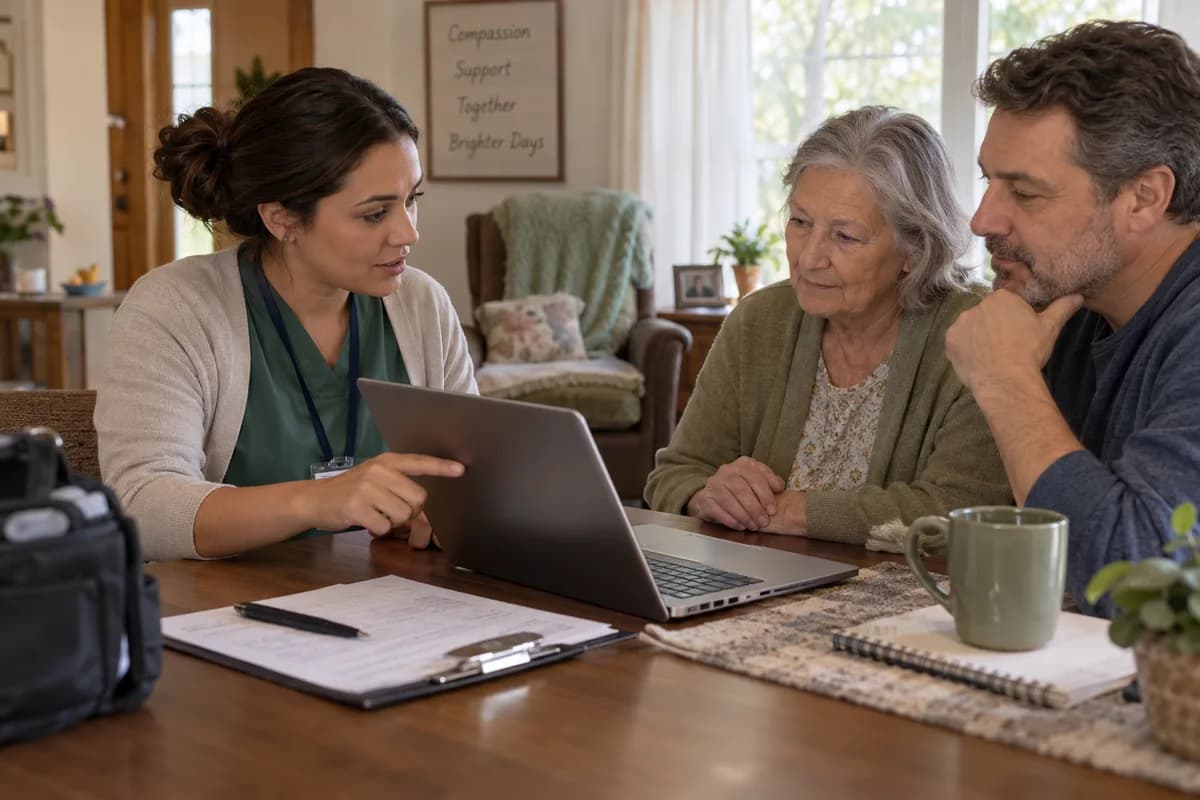
What a bereavement follow-up plan holds
When a patient dies, the family’s record becomes a follow-up plan. It lists who should be contacted, in what way and when. It also notes what the family has said they would like. The plan belongs to the service. It does not belong to one coordinator.
Supporting one family after a death
Bereavement follow-up is quiet work that is easy to postpone. A visible list changes that. The moments below follow one family from the day after a death through the months that follow, with each contact recorded on the plan itself.
Who offers bereavement support and who reads it
Follow-up draws on social work, spiritual care and nursing, with the coordinator holding the list. Each role sees what it needs to make a kind and informed contact. Names are recorded on every entry.
Bereavement decisions to settle before set-up
How a service supports families is a matter of its values and its advisers. The system keeps to the plan you set. Agree these points with the social work lead and the chaplain before the first plan opens.
How bereavement support links to the record
Follow-up begins where care ends. It relies on what was recorded before. It takes the family from the patient record and the death from the care team. Outcomes then go to the people who plan group work and later contacts, so the family is remembered.
- Takes family contacts from the patient and family record
- Opens when a death is recorded after the last visit
- Uses social work and spiritual notes from care plans
- Appears on the coordinator’s list through the reminders feature
- Gives equipment collection dates to equipment loans
Where bereavement support stops
The plan schedules contact and records replies. It does not write the letter, make the call or decide what a grieving person needs. Those acts stay with the social worker, the chaplain and the family. Counselling and mental health care are clinical work for qualified staff. A small service that supports a handful of families can keep a diary, though a shared list helps once more than one person calls.
Frequently asked questions
How does the coordinator know who to contact today?
A list shows follow-ups due. Each line names the family, the type of contact and the person who is to make it. Completed contacts drop off. The outcome is saved on the plan, and the next date is set.
Can a family say they do not want contact?
Their wish is recorded beside their name, such as no letters or calls only in the afternoon. A decline is respected. Nobody is contacted again unless the family asks or a named person changes the note.
Can we invite families to a bereavement group?
Invitations are recorded with the date sent and the reply. Families who accept are listed for the group, and those who decline are noted. Your staff or volunteers run the group. This list is the only part held here.
What happens to the patient’s record after a death?
It stays available to staff who need it, and a follow-up plan opens for the family. Export format and retention are agreed when the proposal is written. Local privacy rules are reviewed with your advisers.
Can we count the families who accepted support?
A report shows bereavement follow-ups due and completed, and each plan notes who accepted. Your team decides which figures to share with trustees. Counts come from the plans. The wording is yours, and the totals stay current.
How this feature fits the system.
Hospice Management Software: the parts that work with this feature, the trades that use it and the ways to put it in place.
Visit scheduling
The day’s nurse, aide and social work visits are placed against staff by area and need, and missed visits are flagged to the coordinator.
Technician SchedulingAdmission, consent and certification
Signed consent, certification and first orders are stored on the patient record, each with the date it must be renewed.
Document ManagementEquipment loans
Every bed, mattress and oxygen unit has its own entry showing which home it is in, when it was delivered and when it was last inspected.
Fixed Asset RegisterTell us what you need.
Tell us what your team does today, where work gets stuck and what you want to change.
What happens after you share your requirements
- We review your brief and the systems you already use.
- We clarify the workflow, missing information and the work to consider first.
- The proposed scope sets out the deliverables, responsibilities and dependencies.
- Review the scope and commercial terms before deciding whether to proceed.
Start with your requirements
Describe your current process, the people involved and the change you need. Start with the details you know; we can clarify the rest together.
Share your requirements