Fault Tickets and Response Clocks for Solar O&M
A solar plant fault can arrive as a portal alert, an owner’s call or a walk-round finding. Each becomes a ticket against the plant, and the response clock set by that plant’s contract starts at once. Supervisors see which clocks are close to running out, and late tickets stand out on the board.
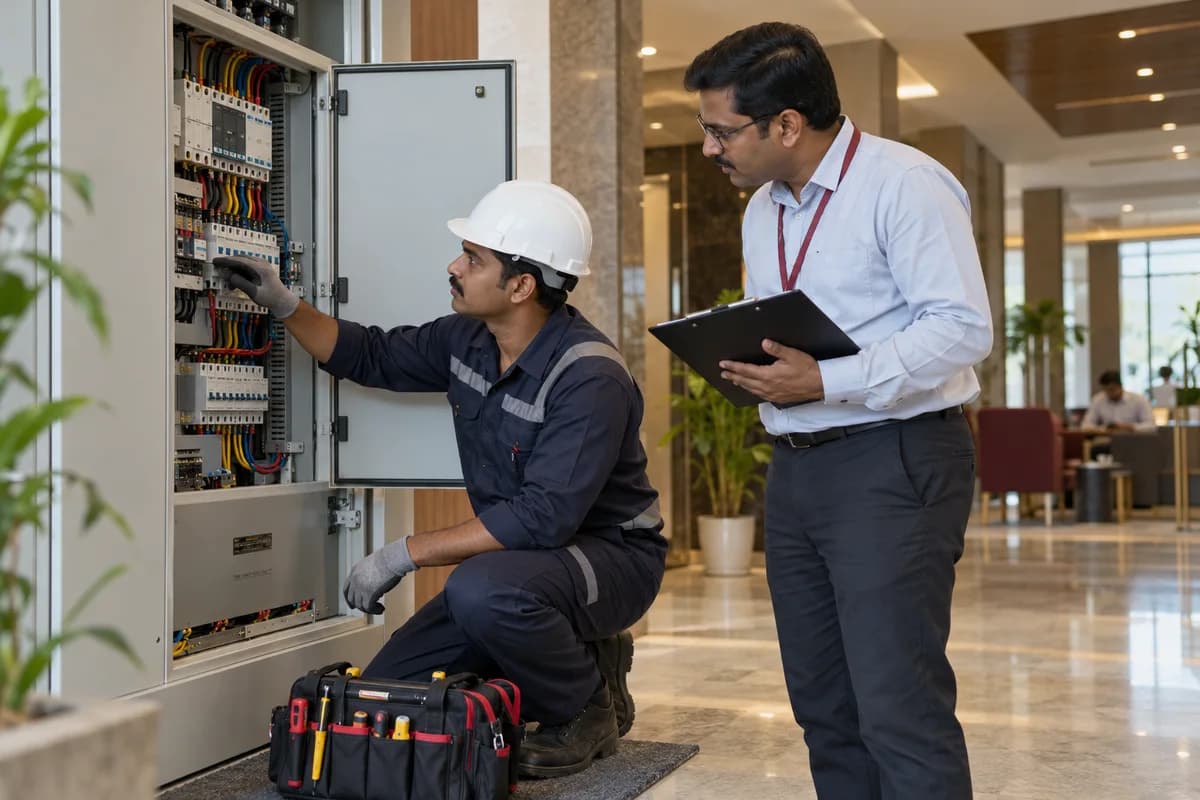
A tripped inverter, a call and a walk-round
A zero-generation alert, an owner’s phone call and an engineer’s walk-round can all describe the same fault. The control desk logs each as it arrives. Time begins. Through the day the board shows which tickets are close to running out.
Ticket details held from alert to closure
A ticket is short on purpose. It names the plant, says how the fault arrived, gives its class and the time received, and carries the response clock set by that plant’s contract. Anything a supervisor needs to judge lateness is on the ticket itself.
Who watches a solar fault clock
Readers differ. Supervisors want to know what is due next. The engineer wants the fault and the address. The owner wants to hear a date, and the director wants to see lateness by owner.
Where tickets meet contracts and visits
A ticket joins a contract to a fault. It takes its clock from the register, hands the job to scheduling and comes back with a closing report from the visit. Old tickets feed repeat-fault checks, warranty files and the owner’s report. History is written once.
- The plant register supplies response hours for each fault class
- Engineer scheduling picks up tickets waiting for someone free
- Visit reports close the ticket with readings and photographs
- Warranty claims open from a ticket needing a replacement part
- Owner reports list ticket history and open items for each plant
Settling how faults enter the board
A board is only as honest as what goes onto it. Entry rules matter. Choices about alerts, classes, site access and closure decide what the supervisor reads. Each is easier to agree before the first alert arrives than after a late ticket.
What a ticket board cannot decide
The board shows the time left and marks lateness. It does not decide whether a late response breaches an agreement, or what that costs. Penalties, credits and disputes stay with the owner, the company’s management and a legal adviser. Repairing is the engineer’s work. Raising a ticket from a portal alert is done by the desk unless a portal link has been scoped. One plant with one caretaker can log faults in a diary.
Frequently asked questions
Can a walk-round finding become a ticket?
An engineer or supervisor logs what was seen and picks the plant and the fault class. Its clock starts like any other. The source is recorded as a walk-round, so reports show it later by plant and by fault class.
What does a late ticket look like on the board?
Lateness stands out from tickets still inside their hours, and it carries the plant, the fault class and the time it ran over. A supervisor sees it before the next scan. Nobody has to count hours.
Can earlier tickets on one inverter be seen together?
Tickets are kept against the plant, so the history of one inverter sits in one place. Three trips read as one pattern. They no longer look like three unrelated complaints, and the engineer arrives knowing the earlier causes.
Can an engineer log a fault from the roof?
From a phone, yes. The engineer picks the plant, names the fault class and adds a photograph if useful. It reaches the board with its source marked, and the clock starts from that plant’s contract.
Do tickets keep the time they were received?
The time received is stamped when the ticket is logged and stays fixed when someone edits the note. Attend time is stored on arrival, separately. The gap between the two is what reports show, plant by plant.
How this feature fits the system.
Solar Plant Maintenance Company Management Software: the parts that work with this feature, the trades that use it and the ways to put it in place.
Plant and contract register
Each plant’s contract holds its response time, visit frequency and renewal date, so every ticket and visit is judged against the right terms for that owner.
AMC and Service ContractsFault tickets and response clocks
A tripped inverter or a call from the owner becomes a numbered ticket with an owner, a fault class and a response clock from the contract.
Ticket ManagementEngineer scheduling and visit routes
Visits are assigned by area and skill, so the supervisor sees which engineer is at which plant and which tickets are still waiting for someone free.
Technician SchedulingTell us what you need.
Tell us what your team does today, where work gets stuck and what you want to change.
What happens after you share your requirements
- We review your brief and the systems you already use.
- We clarify the workflow, missing information and the work to consider first.
- The proposed scope sets out the deliverables, responsibilities and dependencies.
- Review the scope and commercial terms before deciding whether to proceed.
Start with your requirements
Describe your current process, the people involved and the change you need. Start with the details you know; we can clarify the rest together.
Share your requirements