Vilnius · CountriesVilnius fintech, laser, software and shared service teams keep growing faster than their back-office tools.
Vilnius is the Lithuanian capital, with a baroque old town, glass towers across the river and a large community of software and fintech teams. Laser makers, shared service centres and law offices sit nearby. Firms bill in euros with PVM. GullySystem, a Bengaluru company, supports them remotely.
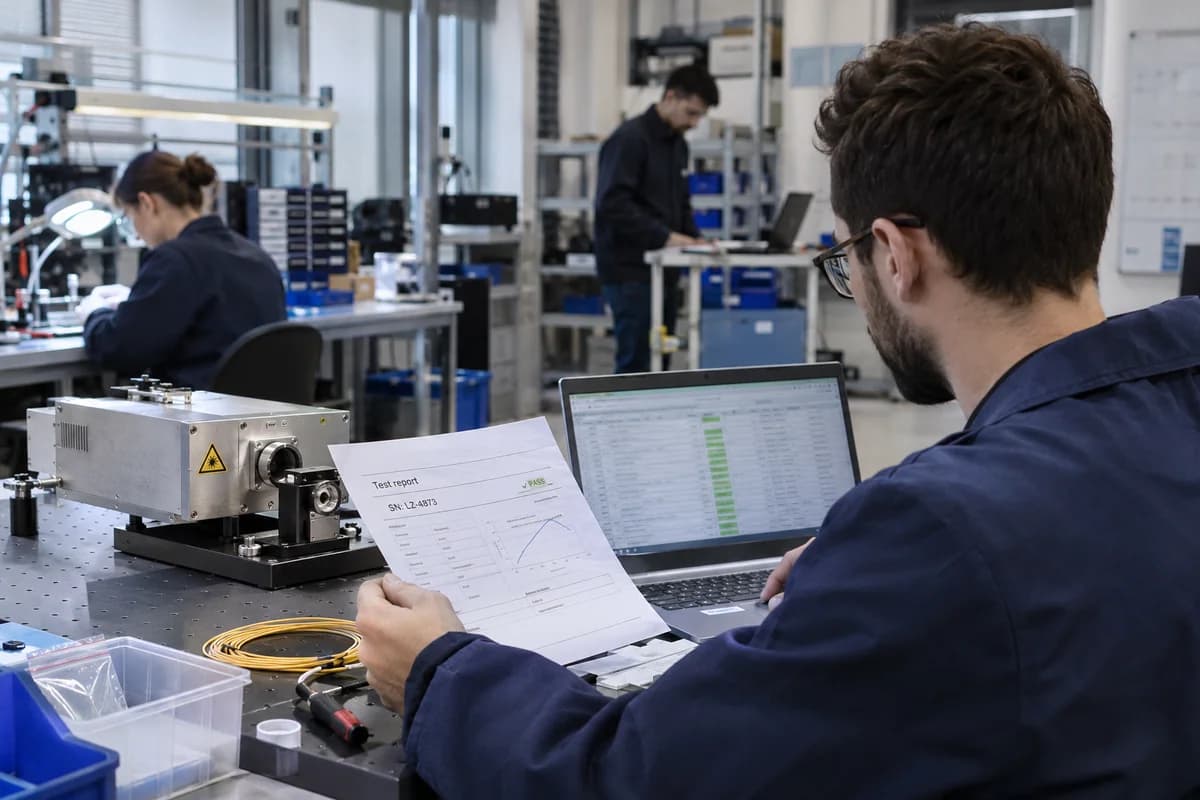
Across the Neris river the towers of Šnipiškės hold banks, payment firms and software houses. Their customers live in other countries, so contracts, invoices and support run across time zones. Laser and optics makers work in business parks outside the centre and ship precision parts worldwide. Each shipment carries serial numbers, test data and a service plan that lasts for years.
Small firms feel the same pull. A design studio in Užupis, a recruiter on Gediminas Avenue and a cafe owner in the old town all juggle hours, quotes and stock. Our desks are in Bengaluru. The Vilnius afternoon meets our evening, so calls can run late when something is urgent.
The districts, business parks and markets that matter in Vilnius.
How Vilnius businesses pick and use software.
Software and fintech teams need project hours, subscription billing and clean exports for an accountant who may not live in the same country.
Makers of lasers and optics want serial numbers, firmware versions and service history held together, so a returned unit can be traced in minutes.
Where Vilnius businesses lose time and money.
Subscriptions bill by hand
Plans change mid-month and credit notes follow. A billing rule set in one place applies each change the same way every cycle.
Serial histories are scattered
A returned optic has test data in one file and repairs in another, and one record per serial number shows build, tests, shipment and every later service visit.
Multi-currency invoices confuse the books
Clients abroad pay in different currencies, and the accountant matches payments late, and clear rates and references at invoice time make the match easy.
Studios lose track of change requests
Late edits are agreed on calls and forgotten. A change log on each project turns them into a priced quote line.
What we would build for Vilnius businesses.
Usually in this order, starting with whatever the audit ranks first.
SaaS Product Development
Turning a system that works for one business into a product other businesses can subscribe to.
Learn moreAPI and System Integration
Connections between existing tools, with record ownership, duplicate handling and reconciliation agreed for each flow.
Learn moreBusiness Process Automation
Approvals, reminders and reports triggered by agreed rules, with exceptions assigned to a responsible person.
Learn moreData Engineering and Business Intelligence
Dashboards that answer the owner’s Monday questions without anyone building an Excel sheet first.
Learn moreReady products that fit Vilnius businesses.
Each one is adapted to how your business works before it goes live, and anything your trade needs that it lacks is added then. You are not paying to build the basics again.
Software Development Company Management Software
Statements of work, project plans, timesheets, bench allocation, change requests, milestone and time-and-materials invoices and margin for software development companies.
Learn moreIndustrial Electronics Manufacturer Management Software
Board revisions, firmware builds, assembly and test orders, serial numbers, end-of-life parts and repairs for makers of drives, controllers and power supplies.
Learn moreHow the work runs from Bengaluru for Vilnius.
- 1
The audit, by call
A screen-share and a look at the sheets, accounting reports and WhatsApp groups your team uses. No travel needed.
- 2
A written proposal
Scope, what we build first and the cost, agreed in writing before anything starts.
- 3
Build in short rounds
Working screens shared every few weeks. Your team tests them from your own office.
- 4
Go-live, in person when it helps
For data migration and training we can come to Vilnius. Travel is agreed in advance.
- 5
Support online
Fixes, changes and hosting handled remotely by the same team that built it.
The work we have published.
We don’t claim Vilnius clients we don’t have. These are systems our team built; the way we work is the same wherever you are.
PetSeva: matching owners to the right vet, at any hour
A two-sided veterinary platform where vets are searchable by specialisation and bookable outside clinic hours. It now carries more than 2,000 veterinary doctors.
Read the case study Paying guest accommodationSAM Atithi Pavathi: bed-level occupancy as the source of truth
PG management software where allocation, rates and invoices are derived from bed-level occupancy and not maintained in parallel spreadsheets.
Read the case study School transport servicesSAM Tours: school transport on a single ledger
Registration, fee collection, routing and finance write to the same records, closing the gap between journeys run and fees collected.
Read the case study Microfinance and Self Help GroupsVikasa RDO: making SHG loan recovery auditable
Loan proposals, recoveries and commissions sit on one record, with a person attached to every state change, so a business handling a bank’s money can show where each rupee went.
Read the case studyMake the scope specific to your business.
Work through a real example from your operation and agree the handoffs, controls and support the project needs.
Multi-currency invoices confuse the books
Can you explain the balance from its original documents?
Select a partly settled example in “Multi-currency invoices confuse the books”. Ask for the invoice, allocated receipts and remaining balance to be shown together before agreeing the opening figures.
Background reading: ERPNext: outstanding invoices
Subscriptions bill by hand
What happens to existing dues when the next renewal is stopped?
For “Subscriptions bill by hand”, test a cancellation near the renewal date. Agree the last service period and how any existing balance is handled before recurring work starts.
Background reading: ERPNext: recurring billing
Questions Vilnius owners ask before they call.
Can subscription billing be built for a Vilnius software firm?
Yes. Plans, add-ons, credits and renewals can follow your own rules, with PVM shown on each invoice. Your accountant confirms the tax treatment for sales abroad, and we set the fields to match.
Do you work in the Vilnius time zone?
Not exactly, since we sit in Bengaluru. Your afternoon meets our evening, so most live sessions land there, and urgent faults follow an agreed route.
What happens after I share my requirements?
We review your brief and clarify the work with you. We then look at the software, spreadsheets and WhatsApp groups your business runs on today and write down what works, what slows your team down and what is missing. A demo login, a screen-share or a few screenshots are enough. You get a short written summary ordered by priority, with no obligation to hire us afterwards.
How much will the software cost?
We don’t publish a price, because it depends on what the system has to do. That first review settles the scope, and the cost goes into a written proposal before any work starts.
Industries we build for in Vilnius.
Elsewhere in Lithuania.
Tell us what your Vilnius business runs on today.
Send a short note on the spreadsheets, software or WhatsApp groups your team depends on. We reply the same working day.
What happens after you share your requirements
- We review your brief and the systems you already use.
- We clarify the workflow, missing information and the work to consider first.
- The proposed scope sets out the deliverables, responsibilities and dependencies.
- Review the scope and commercial terms before deciding whether to proceed.
Start with your requirements
Describe your current process, the people involved and the change you need. Start with the details you know; we can clarify the rest together.
Share your requirements