Purchase Orders and Suppliers for Clothing Stores
Stock reaches a clothing store in lots from wholesalers, agents and brand distributors. The order placed, the pieces that arrived and the amount owed stay as one connected record.
Raising an order
Receiving a lot
A lot is received against its order, not loose. The store keeper opens the parcel, counts each style against its sizes and colours, and types the found figures beside the ordered ones. Short supply shows at once. Pieces sent in a size nobody ordered are recorded as such, and the supplier is told from the same screen.
A parcel day in a clothing store
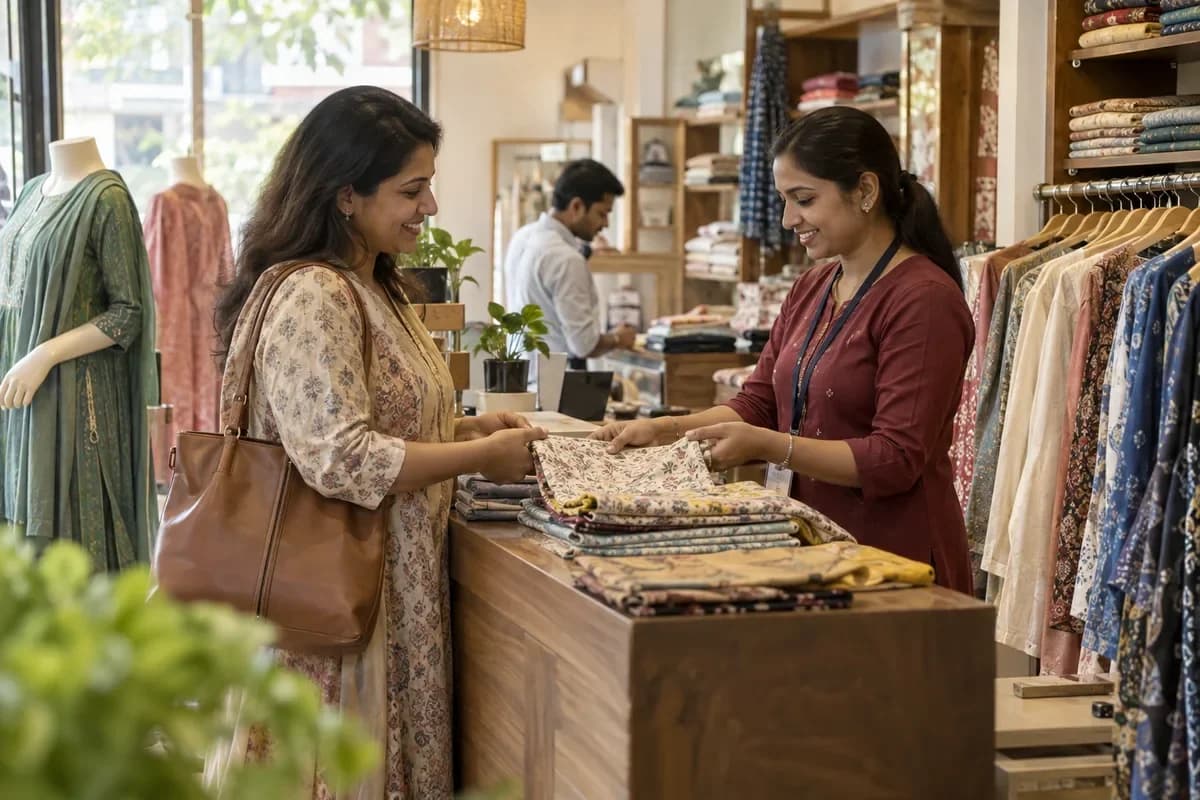
Wholesale lots arrive in a bundle with a challan, a bill and a mix of sizes that never matches the order exactly. The counting table decides what the shop truly owns.
What the supplier record carries
Paying a wholesaler without losing track
Wholesale payments in garments are part cash, part transfer, and sometimes settled against a returned lot. A clear ledger keeps three arguments from starting.
Choosing between agents, wholesalers and brand depots
Clothing stores buy through several doors at once. Each door has its own habits about credit, returns and minimum lots, and the record has to cope with all of them. A buyer who knows which door gives the best terms on which product type negotiates from a stronger seat.
- Local wholesaler: quick top-ups, small lots, cash or short credit
- Agent from another city: larger lots, fixed visit dates, longer credit
- Brand depot: set sizes, strict returns, scheme-linked rates
Questions for a supplier-order setup
Garment buying differs from packaged goods because one style fans out into every size and colour in the range. Settle these early.
- Do you order by size set or by single sizes
- Are rates held per supplier, per brand or per style
- Who in the shop may receive a lot and who may enter its bill
- How do you pursue a short supply, by call, message or through the agent
- Which suppliers send transport papers that must stay with the lot
What the client settles
- Which suppliers may be ordered from without owner approval
- Whether rates are held per supplier or per brand
- What a return to a brand distributor needs before it goes
Ordering and paying across a month in the shop
Buying for a clothing shop follows a rhythm. Orders go out, lots arrive, bills are checked and payments are made. This page follows one supplier through a month. It shows who touches the record at each step, and what they add.
Questions to settle before rollout.
Use a representative scenario to decide what this part of the system must show and where review is still needed.
Purchase Orders and Suppliers for Clothing Stores
What happens to movements entered while a count is being checked?
For “Purchase Orders and Suppliers for Clothing Stores”, choose a count date and trace the movements around it. Agree who investigates a difference before an adjustment changes the available balance.
Background reading: ERPNext: stock reconciliation
Returns to supplier
What returns to stock, and what returns to the customer’s account?
Walk through “Returns to supplier” using a partly paid sale. Agree the physical return and the financial correction separately, with a reference to the original transaction.
Background reading: ERPNext: returns and credits
Frequently asked questions
Can an order be raised from the size gaps?
Yes, sizes and colours below their reorder level pull into a draft order the buyer can edit before sending.
What if the lot does not match the order?
Found figures are typed beside ordered ones. The difference stays on the record until the supplier settles it.
Can a supplier bill be entered without an order?
Yes, for an over-the-counter purchase. Those pieces still enter stock by style, size and colour.
Does it pay the supplier?
No. It records what is owed and what was paid. The transfer itself happens in your bank as usual.
Can I order sizes in sets?
Yes, where your supplier sells that way. The set breaks into its sizes on receipt so the matrix stays exact.
Are tags printed on receipt?
Tags are printed after counting, using your label printer, once its make and tag size are confirmed during scoping.
Can a damaged piece be returned to the supplier?
Yes, it goes out on a return note and the ledger balance adjusts, subject to what the supplier accepts.
How this feature fits the system.
Clothing Store Management Software: the parts that work with this feature, the trades that use it and the ways to put it in place.
Barcode tags and price labels
A swing ticket prints for each garment carrying style code, size, colour and price, and a torn or missing ticket is reprinted.
Barcodes and LabelsCounter billing and day close
Counter staff scan garments, apply a discount, print a tax bill, take cash, wallet or card, and close each counter at shutter time.
Point of Sale BillingPurchase orders and supplier records
Orders go to wholesalers and brand distributors, bales are received against them with sizes checked, and each supplier ledger is kept.
Purchase Order ManagementTell us what you need.
Tell us what your team does today, where work gets stuck and what you want to change.
What happens after you share your requirements
- We review your brief and the systems you already use.
- We clarify the workflow, missing information and the work to consider first.
- The proposed scope sets out the deliverables, responsibilities and dependencies.
- Review the scope and commercial terms before deciding whether to proceed.
Start with your requirements
Describe your current process, the people involved and the change you need. Start with the details you know; we can clarify the rest together.
Share your requirements