Rio de Janeiro · CountriesRio’s beach hotels, offshore oil offices, film crews and Carnival crowds keep its businesses busy.
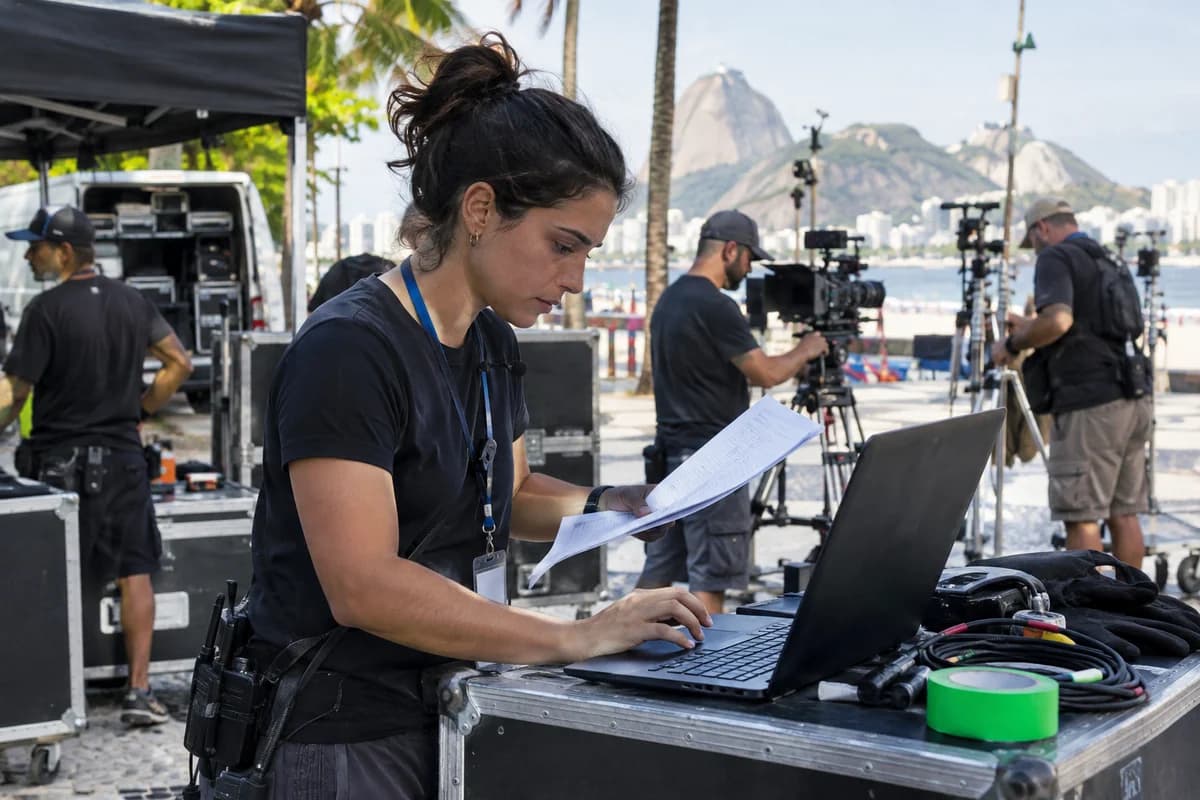
Rio de Janeiro sits between mountains and sea. Tourism shapes much of its trade, with hotels along Copacabana and Ipanema and Carnival filling the calendar with work for caterers, costume makers and guides. Oil companies run offshore operations from city offices, and film crews add steady freelance demand.
Rio lives by seasons of its own. Carnival, New Year on the sands and the summer holidays bring crowds that hotels and restaurants cannot refuse, while the quieter months test cash flow. Staff are flexible and casual.
Bengaluru is hours ahead. A Rio morning arrives in our late evening, we hold no office in Brazil, and we name no customers there. Short calls at a fixed hour work best, and longer questions are written down and answered the next day.
The districts, business parks and markets that matter in Rio de Janeiro.
How Rio de Janeiro businesses pick and use software.
Hotel and guesthouse owners who share rooms between portals, agents and walk-in guests, and want one calendar.
Tour operators and film production houses that hire crews and vehicles by the day and chase invoices after the shoot.
Where Rio de Janeiro businesses lose time and money.
Double bookings in peak weeks
Rooms are sold on several portals and by phone. Once a Carnival week fills up, one missed update puts a guest at the door with no bed, and a single room calendar synced to each channel solves it.
Crew and equipment on paper
A production house lists crew, cameras and cars in a notebook, and costs are known only after the shoot ends. A job sheet that records bookings and spending as they happen lets the producer quote with care. Margins become visible.
Maintenance records for offshore buyers
Suppliers to oil companies must show inspection dates and repair history. Photos and notes spread over several phones make an audit slow, while a shared equipment log keeps the proof in order.
What we would build for Rio de Janeiro businesses.
Usually in this order, starting with whatever the audit ranks first.
Web and Mobile Application Development
Web and mobile apps for customers, field staff and dealers, built to work on ordinary phones.
Learn moreAPI and System Integration
Connections between existing tools, with record ownership, duplicate handling and reconciliation agreed for each flow.
Learn moreWhatsApp Business API and Chatbots
WhatsApp Business API work covers number onboarding, template approval, opt-in records and a chatbot with human handover, all set up under the client’s own Meta account. It connects WhatsApp to a CRM, billing or booking system, so every message is sent from an existing record and every reply is written back. It suits businesses that already take orders, payments or bookings in chat.
Learn moreReady products that fit Rio de Janeiro businesses.
Each one is adapted to how your business works before it goes live, and anything your trade needs that it lacks is added then. You are not paying to build the basics again.
Hotel Management Software
A property management system for room bookings, the reservation chart, front desk, housekeeping, rate plans, guest folios and banquet hall bookings in hotels and resorts.
Learn moreTour Operator Management Software
Itineraries, group departures, vendor bookings, vouchers, per-passenger costing, guest payments and vendor payables for tour operators running fixed departures and custom trips.
Learn moreFilm Production House Management Software
Script breakdown, shooting schedule and call sheets, cast and crew bookings, equipment and locations, shoot reports, budget against actuals and deliverables for film production houses.
Learn moreHow the work runs from Bengaluru for Rio de Janeiro.
- 1
The audit, by call
A screen-share and a look at the sheets, accounting reports and WhatsApp groups your team uses. No travel needed.
- 2
A written proposal
Scope, what we build first and the cost, agreed in writing before anything starts.
- 3
Build in short rounds
Working screens shared every few weeks. Your team tests them from your own office.
- 4
Go-live, in person when it helps
For data migration and training we can come to Rio de Janeiro. Travel is agreed in advance.
- 5
Support online
Fixes, changes and hosting handled remotely by the same team that built it.
The work we have published.
We don’t claim Rio de Janeiro clients we don’t have. These are systems our team built; the way we work is the same wherever you are.
PetSeva: matching owners to the right vet, at any hour
A two-sided veterinary platform where vets are searchable by specialisation and bookable outside clinic hours. It now carries more than 2,000 veterinary doctors.
Read the case study Paying guest accommodationSAM Atithi Pavathi: bed-level occupancy as the source of truth
PG management software where allocation, rates and invoices are derived from bed-level occupancy and not maintained in parallel spreadsheets.
Read the case study School transport servicesSAM Tours: school transport on a single ledger
Registration, fee collection, routing and finance write to the same records, closing the gap between journeys run and fees collected.
Read the case study Microfinance and Self Help GroupsVikasa RDO: making SHG loan recovery auditable
Loan proposals, recoveries and commissions sit on one record, with a person attached to every state change, so a business handling a bank’s money can show where each rupee went.
Read the case studyMake the scope specific to your business.
Work through a real example from your operation and agree the handoffs, controls and support the project needs.
Double bookings in peak weeks
What becomes available when a booking is moved or cancelled?
Use “Double bookings in peak weeks” to move a booking, then cancel a second example. Check the released slot, the person or resource still assigned, and any amount left to settle before accepting the revised schedule.
Background reading: ERPNext: appointment records
Maintenance records for offshore buyers
What proves that a planned task was actually completed?
Select an overdue entry in “Maintenance records for offshore buyers”. Ask which work record closes it and what remains visible when the visit is postponed or only part of the job is done.
Background reading: ERPNext: maintenance plans
Questions Rio de Janeiro owners ask before they call.
Can a Rio guesthouse avoid double bookings across portals?
Yes. Rooms live in one calendar that updates each connected portal. We confirm which portals offer a direct link before promising anything, and we use manual blocks, checked twice a day, where they do not.
Can a production house cost a shoot before it starts?
Yes. Crew days, equipment and transport go into a budget that turns into the job sheet, and actual spending is compared with the quote while the shoot is still under way. Surprises show up early.
What happens after I share my requirements?
We review your brief and clarify the work with you. We then look at the software, spreadsheets and WhatsApp groups your business runs on today and write down what works, what slows your team down and what is missing. A demo login, a screen-share or a few screenshots are enough. You get a short written summary ordered by priority, with no obligation to hire us afterwards.
How much will the software cost?
We don’t publish a price, because it depends on what the system has to do. That first review settles the scope, and the cost goes into a written proposal before any work starts.
Industries we build for in Rio de Janeiro.
Elsewhere in Brazil.
Tell us what your Rio de Janeiro business runs on today.
Send a short note on the spreadsheets, software or WhatsApp groups your team depends on. We reply the same working day.
What happens after you share your requirements
- We review your brief and the systems you already use.
- We clarify the workflow, missing information and the work to consider first.
- The proposed scope sets out the deliverables, responsibilities and dependencies.
- Review the scope and commercial terms before deciding whether to proceed.
Start with your requirements
Describe your current process, the people involved and the change you need. Start with the details you know; we can clarify the rest together.
Share your requirements