Aarhus · CountriesAarhus food firms, hospital suppliers and event organisers need plain, joined-up records.
Aarhus is a university city on the Jutland coast with a large harbour, a hospital and research cluster, and a food and farming industry behind it. Culture festivals fill the calendar. Firms invoice in kroner, and exporters add euros and dollars. GullySystem, based in Bengaluru, can support them remotely.
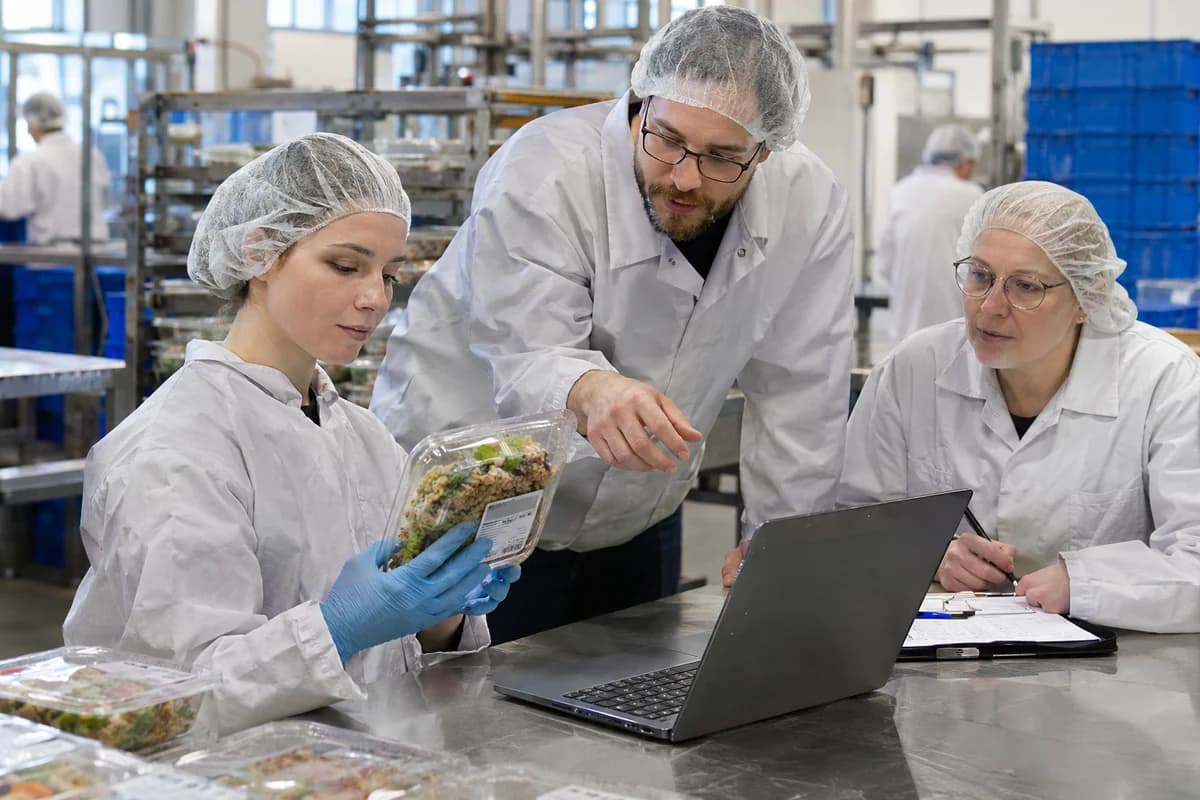
Students shape the city. The university and its hospitals employ thousands, and spin-outs, suppliers and consultants gather around them, so a good share of local business sells to the campus or buys from it. A harbour with container and ferry traffic gives the city a freight side, and Jutland’s farms feed a food industry of dairies, meat processors and ingredient makers.
Culture is also a trade. Museums, concert halls and a large annual festival bring organisers, caterers and hotels into one busy season. Orders and rosters grow quickly. Staff are students. Shifts change every term.
The districts, business parks and markets that matter in Aarhus.
How Aarhus businesses pick and use software.
Food processors sell to supermarkets and exporters who ask for lot-level proof. Traceability comes first. Screens come second.
Event firms and venues hire students and freelancers by the week. They want rosters that update from a phone, and a payroll file that follows.
Where Aarhus businesses lose time and money.
A recall would take days to trace
Ingredient lots, batches and customer deliveries sit in different books. Linking intake to dispatch scopes a recall in minutes.
Student rosters change every week
Availability is sent by message and the manager copies it into a sheet late in the evening, once the venue has closed and shifts have slipped. A roster where staff set their own availability cuts the evening phone calls.
Event budgets close months late
Supplier invoices arrive after the show. A budget that takes bookings as they are made shows what is committed, not just what is paid.
Hospital suppliers track service visits on paper
Equipment sold to wards needs inspections on a schedule. A service plan linked to each unit’s serial number gives the technician a list each morning.
What we would build for Aarhus businesses.
Usually in this order, starting with whatever the audit ranks first.
Business Process Automation
Approvals, reminders and reports triggered by agreed rules, with exceptions assigned to a responsible person.
Learn moreERP, CRM and Business Software Implementation
One record of stock, orders, customers and accounts, set up so your team opens it every day.
Learn moreWeb and Mobile Application Development
Web and mobile apps for customers, field staff and dealers, built to work on ordinary phones.
Learn moreTraining and Adoption
Adoption work starts after launch. Each role is trained at its own screen on its own tasks, such as billing returns, goods receipts or closing job cards. Support stands on the floor at go-live. Afterwards the records are reviewed to find which steps staff skip, which fields stay blank and why the stores or field team still reach for a notebook. Share your requirements and we will plan it with you.
Learn moreReady products that fit Aarhus businesses.
Each one is adapted to how your business works before it goes live, and anything your trade needs that it lacks is added then. You are not paying to build the basics again.
Packaged Food Manufacturer Management Software
Ingredient lots, recipes, batch records, line checks, allergen data, pack coding, shelf life and customer dispatch for packaged food makers.
Learn moreEvent and Wedding Management Software
Enquiries and site visits, head-count quotations, vendor bookings and advances, day schedules, staff deployment and settlements for event and wedding planners.
Learn moreMedical Equipment Dealer Management Software
Quotations, tender files, demo units, installed machine register, warranty and service contracts, breakdown calls, calibration and spares for medical equipment dealers.
Learn moreHow the work runs from Bengaluru for Aarhus.
- 1
The audit, by call
A screen-share and a look at the sheets, accounting reports and WhatsApp groups your team uses. No travel needed.
- 2
A written proposal
Scope, what we build first and the cost, agreed in writing before anything starts.
- 3
Build in short rounds
Working screens shared every few weeks. Your team tests them from your own office.
- 4
Go-live, in person when it helps
For data migration and training we can come to Aarhus. Travel is agreed in advance.
- 5
Support online
Fixes, changes and hosting handled remotely by the same team that built it.
The work we have published.
We don’t claim Aarhus clients we don’t have. These are systems our team built; the way we work is the same wherever you are.
PetSeva: matching owners to the right vet, at any hour
A two-sided veterinary platform where vets are searchable by specialisation and bookable outside clinic hours. It now carries more than 2,000 veterinary doctors.
Read the case study Paying guest accommodationSAM Atithi Pavathi: bed-level occupancy as the source of truth
PG management software where allocation, rates and invoices are derived from bed-level occupancy and not maintained in parallel spreadsheets.
Read the case study School transport servicesSAM Tours: school transport on a single ledger
Registration, fee collection, routing and finance write to the same records, closing the gap between journeys run and fees collected.
Read the case study Microfinance and Self Help GroupsVikasa RDO: making SHG loan recovery auditable
Loan proposals, recoveries and commissions sit on one record, with a person attached to every state change, so a business handling a bank’s money can show where each rupee went.
Read the case studyMake the scope specific to your business.
Work through a real example from your operation and agree the handoffs, controls and support the project needs.
Hospital suppliers track service visits on paper
What proves that a planned task was actually completed?
Select an overdue entry in “Hospital suppliers track service visits on paper”. Ask which work record closes it and what remains visible when the visit is postponed or only part of the job is done.
Background reading: ERPNext: maintenance plans
A recall would take days to trace
Can a partial delivery be distinguished from a completed order?
For “A recall would take days to trace”, follow an example that leaves in more than one trip. Compare the quantity handed over with the quantity still owed before closing the order.
Background reading: ERPNext: delivery notes
Questions Aarhus owners ask before they call.
Can the software trace a food lot from intake to customer?
Yes. Each intake gets a lot number, production records link to it, and each delivery lists the lots shipped. How detailed the link must be depends on your products and the buyers’ rules.
Our staff are mostly students. Will they cope with a new app?
A short phone screen for availability and shifts covers it. We test it with real users before launch. A one page guide follows, in plain language.
What happens after I share my requirements?
We review your brief and clarify the work with you. We then look at the software, spreadsheets and WhatsApp groups your business runs on today and write down what works, what slows your team down and what is missing. A demo login, a screen-share or a few screenshots are enough. You get a short written summary ordered by priority, with no obligation to hire us afterwards.
How much will the software cost?
We don’t publish a price, because it depends on what the system has to do. That first review settles the scope, and the cost goes into a written proposal before any work starts.
Industries we build for in Aarhus.
Elsewhere in Denmark.
Tell us what your Aarhus business runs on today.
Send a short note on the spreadsheets, software or WhatsApp groups your team depends on. We reply the same working day.
What happens after you share your requirements
- We review your brief and the systems you already use.
- We clarify the workflow, missing information and the work to consider first.
- The proposed scope sets out the deliverables, responsibilities and dependencies.
- Review the scope and commercial terms before deciding whether to proceed.
Start with your requirements
Describe your current process, the people involved and the change you need. Start with the details you know; we can clarify the rest together.
Share your requirements