Software Solutions for Men’s Clothing Sellers
Men’s clothing sells fewer styles to buyers who return for the same item. Shirts are sized by collar and sleeve, trousers by waist and length, and formal wear may need alteration. Sellers online need two-part size options, simple reordering and an exchange flow that does not treat a swap as a loss.
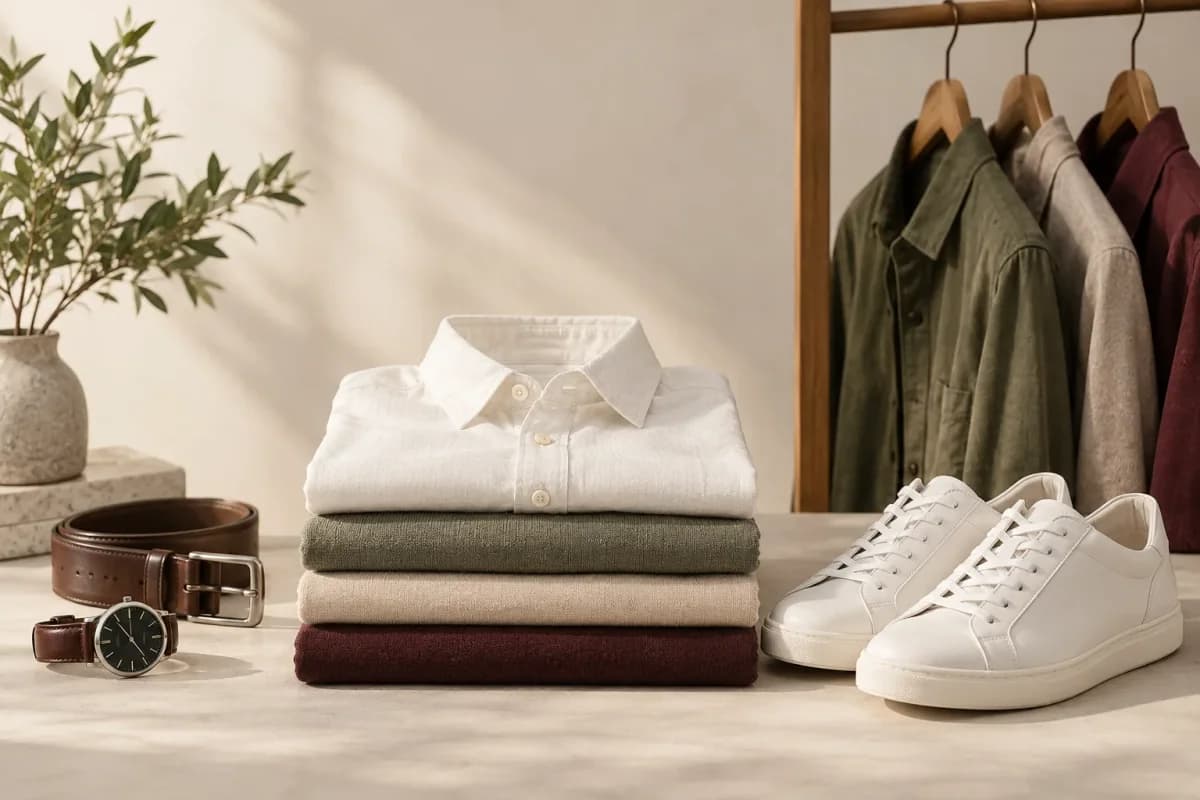
Handle two-measure sizes, repeat basics and fewer styles that sell repeatedly.
A man who finds a shirt that fits will look for it in another colour. The catalogue should remember that, and a size such as 40 by 34 has two numbers to stock.
Everyday and basics labels
A label sells plain shirts, tees and trousers that customers buy again and again.
Formal and occasion wear sellers
A seller supplies shirts, suits and trousers where fit and alteration decide the sale.
The workflow for men’s clothing.
- 1
Two-part size selection
The buyer picks waist and length, or collar and sleeve, and the order reserves that exact pair.
- 2
Repeat purchase shortcut
A returning buyer sees the sizes bought before and reorders in a new colour with one step.
- 3
Multi-buy offers
Offers such as three shirts together are priced and reserved as one order.
- 4
Alteration request
For trousers that need hemming, the buyer chooses a length, or the order is flagged for the tailor.
- 5
Exchange against the bill
A size swap is read from the original order and sent without a new payment.
The challenges, and what they cost.
What is specific to this trade.
These are requirements we would confirm in discovery. They describe what the solution may need to handle. They are not features that already exist.
- Size options of two parts held as one stock grid
- Offers priced by combinations, such as three for a set amount
- An alteration step that can hold dispatch until work is done
What we would build for men’s clothing.
Chosen from the commerce capabilities this business needs, not a list of everything.
Who works in the system, and what each can do.
What it would connect to.
An integration is confirmed only after its API, access and scope are checked. A connection that updates on a schedule is described as scheduled, not real-time.
- Counter billing and alteration slips kept by the shop, where they can be read or exported
- Wallet and card acceptance, switched on method by method as the provider approves each
- Pickup booking for returns, set up carrier by carrier
How the work runs, and what we need from you.
What you provide
- Your size grids for shirts and trousers
- Your usual bundle offers and their rules
- How alterations are priced and who does them
Set up the grid
Two-part sizes are modelled first, because every listing and every offer depends on them.
Test one bundle
A single offer is tried across a few styles before more are added.
What you receive.
- Two-part size grid
- Reorder view for returning buyers
- Bundle and alteration rules
How progress is judged.
Measures are agreed against your own baseline. We do not promise a result in advance.
- Reorders as a share of orders, against your own baseline
- Orders held for alteration beyond the promised date
Selling at home and abroad.
Buyers in other markets may expect inch or centimetre sizing and neck measurements in their own scale. Import duties on garments vary by country, so your adviser checks them before you ship to a new market.
The wider requirements for clothing & apparel are on the Clothing & Apparel page.
Related subcategories.
Clothing and Apparel E-commerce & Business Management Software
Existing product, extended
Behind the counter, GullySystem’s Clothing Store Management Software already runs the shop side, with a size and colour grid per style, counter billing and exchanges. The online store and its order flow are set up around it and scoped for each business.
Two-measure sizes and bundle offers fit the style and variant record the category solution uses.
Read about the softwareExisting GullySystem products that apply
Related services
Selling in a shop as well?
Test the order that does not follow the usual path.
Bring an awkward order or catalogue example to discovery and agree who handles the exception.
Two numbers, many variants
Does each sellable combination have the right stock and price?
Choose an example from “Two numbers, many variants” with more than one option. Check the selected combination, item identifier, available quantity and price through to the order, including a combination that should not be sold.
Background reading: Shopify: product variants
Offers confuse stock counts
Which location and stock state support the delivery promise?
Use “Offers confuse stock counts” to follow an item moved between two locations. Distinguish stock on hand, stock already committed and stock still travelling before presenting an available quantity to a buyer.
Background reading: Shopify: inventory and locations
Questions about men’s clothing e-commerce.
Can a buyer choose both waist and length?
Yes. Each pair has its own stock count, so only pairs actually held appear as available.
Can a bundle offer be set across sizes?
Yes. The offer reserves each chosen piece and records it as one order, so stock stays correct for every size.
Can alterations be arranged for online orders?
Where you offer them, a hem or sleeve request is recorded on the order. The tailor’s time and charge are set by you.
Talk through your commerce requirement.
Share what you sell, where orders arrive and how you manage stock and fulfilment today.
- Your products and sales channels
- Your order and stock workflow
- The connections you need
Start with your requirements
Describe your current process, the people involved and the change you need. Start with the details you know; we can clarify the rest together.
Share your requirements