Software Solutions for Gemstone Jewellery Sellers
Gemstone jewellery rests on stones that are rarely identical: a ruby or an emerald differs in origin, treatment, colour and size from the next. Online sellers need each stone recorded as its own item, with honest descriptions and photographs, and with returns handled carefully because a stone cannot be resold as new.
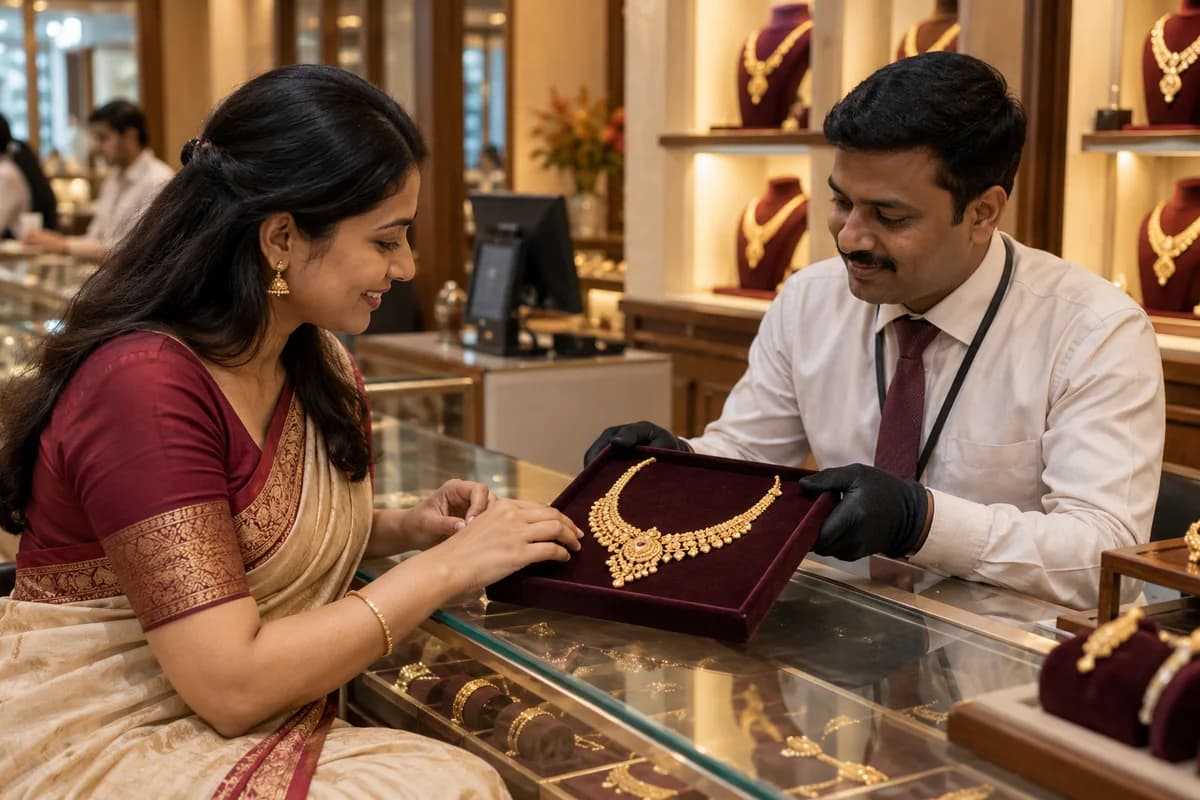
List one-of-a-kind stones with their origin, treatment and report on record.
A buyer of a gemstone is buying that stone, not a model. The listing has to describe it truthfully, and the seller has to be able to prove the description later.
Stone dealers online
A dealer lists loose stones and finished pieces, each with its report and photographs.
Astrological and traditional buyers
Customers buy specific stones for specific purposes and ask for the weight in the unit they use.
The workflow for gemstone jewellery.
- 1
Stone photographed and recorded
Each stone is photographed in more than one light and recorded with its weight, origin and any treatment.
- 2
Listed as a single item
The stone is a listing of quantity one, so it disappears when it is bought.
- 3
Buyer questions answered
Questions and extra photographs are kept with the stone’s record.
- 4
Packed with the report
The stone ships with its report or a copy, in packaging that protects it.
- 5
Returns inspected
A returned stone is checked against its record before it is relisted.
The challenges, and what they cost.
What is specific to this trade.
These are requirements we would confirm in discovery. They describe what the solution may need to handle. They are not features that already exist.
- Origin, treatment and report held as fields, not free text
- A minimum set of photographs before a stone goes live
- Weight shown in more than one unit
What we would build for gemstone jewellery.
Chosen from the commerce capabilities this business needs, not a list of everything.
Who works in the system, and what each can do.
What it would connect to.
An integration is confirmed only after its API, access and scope are checked. A connection that updates on a schedule is described as scheduled, not real-time.
- Photograph storage with consistent naming for each stone
- Payment gateways for the order values involved
- Carriers able to insure small high-value parcels
How the work runs, and what we need from you.
What you provide
- A sample of stones with reports
- Your units and how you quote them
- Your returns terms
Set the fields
We agree which facts about a stone must be recorded before listing.
Test with real stones
A dozen real stones are listed first to find what buyers ask that the record cannot answer.
What you receive.
- A stone record structure
- A listing checklist
- Returns inspection flow
How progress is judged.
Measures are agreed against your own baseline. We do not promise a result in advance.
- Disputes about the description of a stone
- Stones relisted after inspection
Selling at home and abroad.
Buyers abroad may expect a laboratory report from a named issuer and may be subject to import rules on certain stones. These are confirmed with your adviser for each market.
The wider requirements for jewellery are on the Jewellery page.
Related subcategories.
Jewellery E-commerce & Business Management Software
Existing product, extended
The showroom side already exists as GullySystem’s Jewellery Retail Management Software, which holds tag-wise stock, the daily rate and counter billing. The online store, dealer catalogue and order flow are configured around it and scoped for each business.
A single-stone listing with fields for origin and treatment is a configuration of the piece record in the category solution.
Read about the softwareExisting GullySystem products that apply
Related services
Selling in a shop as well?
Questions about gemstone jewellery e-commerce.
Can a stone be listed more than once on different channels?
Yes, but it stays one stock item. When it sells on any channel, it closes on the others on the agreed schedule.
Does the system test or identify stones?
No. Testing and identification belong to a laboratory or a qualified gemmologist. The system holds what they report.
What happens when a buyer returns a stone?
The stone is inspected against its record and photographs before it is relisted. Your return terms decide what is refunded, and they are shown before payment.
Talk through your commerce requirement.
Describe what you sell, where you sell it and what is slowing you down. An engineer will reply within one business day.
- No obligation
- A reply within one business day
- Your details stay private