Software Solutions for Organic Food Sellers
Organic food is sold on a certificate. Buyers expect to know the farm, the harvest and the validity of the proof, and a weekly box changes with the season. A seller online needs certificates held against products and producers, weights that vary, and box contents that follow what was actually harvested.
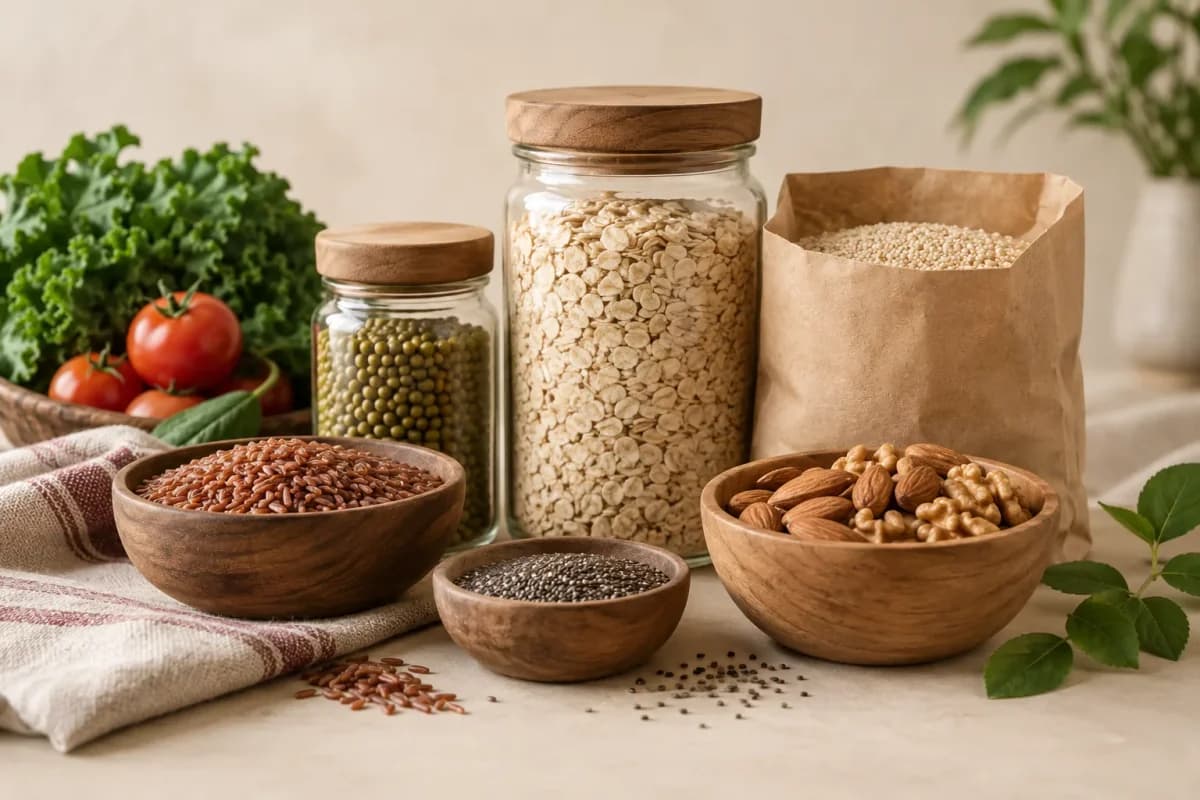
Tie each organic product to its certificate, its farm and its harvest.
An organic label is a claim that has to be backed by a document with an end date. A certificate that lapsed in March should not still be on the page in June.
Organic stores online
A store lists its shelf of certified products and bulk lines and delivers locally from the same stock.
Farm-to-home box sellers
A farm or collective packs boxes from the week’s harvest and delivers to subscribers.
Organic brands and processors
A brand sells packed organic foods nationwide and holds the certificates for its suppliers.
The workflow for organic foods.
- 1
Farm and certificate recorded
Each producer is entered with its certificate reference and validity dates, and each product links to its producer.
- 2
Harvest or lot received
Produce and lots are received with date and weight, and the batch is carried to the order.
- 3
Box contents set from harvest
The week’s box is built from what arrived, and the subscriber sees the contents before the cut-off.
- 4
Weight-priced items packed
Items sold by weight are packed, weighed and charged for what was actually packed.
- 5
Lapse flagged
A certificate near its end date is flagged, and the products it supports are held back if it lapses.
The challenges, and what they cost.
What is specific to this trade.
These are requirements we would confirm in discovery. They describe what the solution may need to handle. They are not features that already exist.
- Certificate reference and validity date held per producer and linked to products
- Boxes built from stock received that week, with a cut-off for changes
- Final charge based on packed weight for variable items
What we would build for organic foods.
Chosen from the commerce capabilities this business needs, not a list of everything.
Who works in the system, and what each can do.
What it would connect to.
An integration is confirmed only after its API, access and scope are checked. A connection that updates on a schedule is described as scheduled, not real-time.
- A weighing scale feed or a weight entry screen at the pack house
- Recurring billing where your gateway offers it
- Courier or own-van scheduling for local boxes
How the work runs, and what we need from you.
What you provide
- Producers with certificate details
- Your box types and their delivery days
- How you charge for variable-weight items
Load producers first
Producers and their certificates are entered before products, since claims rest on them.
Run one box cycle
One whole weekly cycle, harvest to doorstep, tests the box builder.
What you receive.
- A producer and certificate register
- A box builder tied to harvest
- Weight-adjusted billing
- A lapse alert list
How progress is judged.
Measures are agreed against your own baseline. We do not promise a result in advance.
- Products listed with a lapsed certificate
- Boxes changed after the cut-off
Selling at home and abroad.
Organic standards and the logos allowed on a pack differ between countries, and a certificate valid in one may not be accepted in another. Your adviser reviews which proof each market recognises.
The wider requirements for specialty foods are on the Specialty Foods page.
Related subcategories.
Specialty Food E-commerce & Retail Software
Existing product, extended
GullySystem’s Grocery Management System already covers barcode billing, customer credit, stock and an ordering page for a shop’s own customers. The wider storefront, dietary filters and claim register are configured around it, and each of those is marked as added.
Certificate records, harvest-based boxes and weight billing are product-record rules the category solution can hold.
Read about the softwareExisting GullySystem products that apply
Related services
Selling in a shop as well?
Test the order that does not follow the usual path.
Bring an awkward order or catalogue example to discovery and agree who handles the exception.
Weight-adjusted billing
Do purchasing, operating and billing quantities use the same unit?
Check the measurement unit and rounding used in “Weight-adjusted billing”. Compare the result with a known sample before accepting a converted quantity or calculated charge.
Background reading: ERPNext: units of measure
Variable weights break pricing
Which rule wins when two rates or offers apply?
Use “Variable weights break pricing” to check an ordinary sale and one that meets two pricing conditions. Ask for the calculation behind each final amount, rather than only the total.
Background reading: ERPNext: pricing conditions
Questions about organic foods e-commerce.
Can it check a certificate with the issuing body?
Not on its own. Certificate numbers are entered from the documents, and an online lookup would be scoped only after the issuer’s access and terms are read.
What if the weight packed differs from the order?
The charge follows the packed weight within the tolerance you set. The final figure is shown to the buyer ahead of dispatch.
Can boxes change with the harvest?
Yes. The box is composed from received stock and shown to the subscriber before the cut-off for swaps.
Talk through your commerce requirement.
Share what you sell, where orders arrive and how you manage stock and fulfilment today.
- Your products and sales channels
- Your order and stock workflow
- The connections you need
Start with your requirements
Describe your current process, the people involved and the change you need. Start with the details you know; we can clarify the rest together.
Share your requirements