One record for the till, the espresso bar, the pastry case and the shift.
Manage drink menus, counter tickets, recipes, bean and milk stock, pastry deliveries, loyalty cards, shift cash-up and supplier orders on one record. Every cup carries its beans, milk and lid. The cost is known. Baristas see their tickets on a bar screen. Owners read every site together.
- Drink menu, sizes and milk choices entered the way you sell them
- Supplier list, opening stock and regulars loaded before go-live
- Menu and recipe edits made by GullySystem staff when you ask
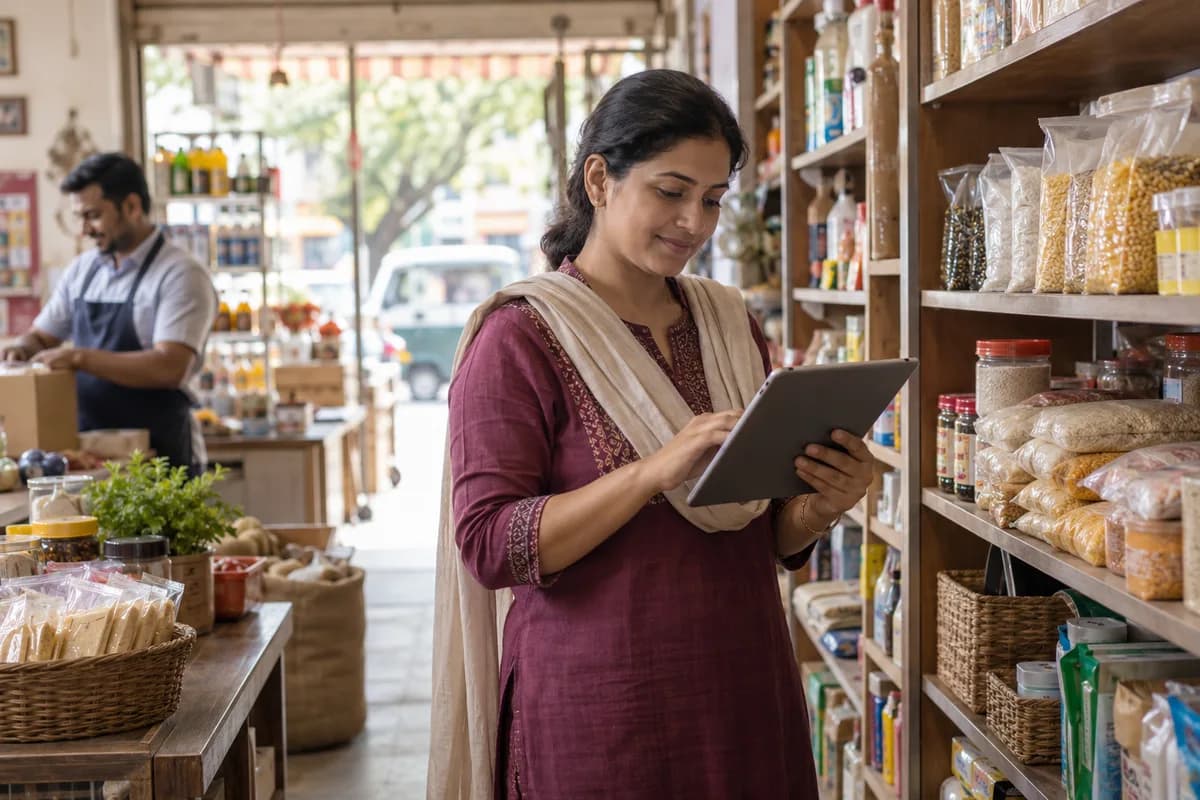
Cafes and Coffee Shop Management Software sits at the counter, with drink recipes, bean and milk stock, pastry deliveries, loyalty cards and cash-up. Drinks hold their beans, milk and cup, usage follows sales, and each drawer is closed by payment type against the till.
What goes wrong before the software.
How the work flows through it, step by step.
- 1
Opening
The opening barista logs the grinder dial-in, counts the float and checks the pastry delivery against the baker’s slip. The shift lead sees stock flags for beans, milk and cups.
- 2
Order
The cashier enters the ticket with size, milk choice and extra shots, for dine-in, takeaway or a pre-order. The ticket appears on the bar screen in the order taken.
- 3
Make and serve
Baristas mark drinks done. Usage of beans, milk, syrup and cups is deducted using each drink’s recipe, and food items are deducted from the pastry case.
- 4
Restock
Items below their reorder level go onto a purchase order for the roaster, dairy or bakery. Deliveries are checked against it and the supplier invoice is kept beside the receipt.
- 5
Close
The cashier closes the drawer by payment type, records pastry leftovers and splits tips by hours worked. Differences are shown before sign-off.
- 6
Review
The owner reads margin by drink, waste by pastry, regulars who have lapsed and each site’s takings, then adjusts the menu or the next supplier order.
What is inside.
Every module can be switched on, left out or changed to match how your team already works.
The business modules it is built from.
Each one is also available on its own, or inside a system built for you.
- Point of Sale Billing
The cashier picks size, milk and extra shots, takes payment by cash, card or wallet, and the ticket passes straight to the bar.
- Product Management
Each drink is an item with a recipe of beans, milk, syrup and cup, so a change in the roaster’s rate reaches every drink using it.
- Stock Tracking and Alerts
Bags of beans, cartons of milk and sleeves of cups fall as drinks sell, and a flag appears before the supplier’s cut-off.
- Loyalty and Offers
A phone number at the counter counts drinks toward a free one, applies the reward on the ticket and shows regulars who have lapsed.
- Purchase Order Management
Orders to the roaster, dairy and bakery are raised from low-stock flags, then checked against the delivery slip and the invoice.
- Attendance & Time Tracking
Clock-in times and agreed swaps give hours per barista, which feed the tip split and the wage figure each period.
- Multi-Outlet Stock
Each site keeps its own beans and milk, and a transfer between cafes is booked out and in so nothing disappears between them.
- Dashboards and KPIs
Takings, drink mix, pastry waste and drawer differences for each site sit on one screen for the owner to read at close.
How we would put it in.
Setup, data migration, integrations and anything built on top.
One system, each person sees their part.
For owners
See margin by drink, pastry waste, takings by site, tips paid out and supplier spend, without waiting for a Sunday stock count.
For baristas
Read tickets on the bar screen, log the grinder dial-in and mark drinks done. Report low oat milk early.
For cashiers
Take orders and payments, apply a loyalty reward, and close the drawer by cash, card and wallet with a clear difference at the end.
For shift leads
Check pastry deliveries and count the case at closing. Raise supplier orders. Approve swaps on the rota.
The numbers the owner asks for.
- Margin by drink, size and milk choice
- Beans, milk and cups used against bought, by site
- Pastry delivered, sold and binned, by item and day
- Loyalty cards redeemed and regulars lapsed for a month
- Drawer difference and tip pool by shift
- Roaster, dairy and bakery orders against deliveries
- Machine descaling and grinder service dates due
Who this is built for.
- Independent cafes with one counter and a small kitchen
- Specialty coffee shops that roast or buy single-origin beans
- Small cafe groups with two to ten sites
- Bakery cafes that bake in-house and sell drinks beside the case
- Kiosks and stalls in offices, campuses and transit halls
When it is not the right choice.
- A mobile coffee cart with one grinder and a tap-to-pay reader can run on a card terminal and a notebook.
- Full-service restaurants with table service and a large kitchen will find Restaurant Management System closer, and bakeries that mainly sell by weight will find Bakery Management System closer.
Adapted to your business before it goes live.
You are not handed a login and left to it. The product is set up around your records, your people and the tools you already use.
Works alongside
- Card terminal
- Digital wallets
- SMS and messaging
- Kitchen printer
- Accounting export
Questions owners ask before a demo.
Does it work for one small cafe as well as a group?
Yes. A single counter uses the till, recipes and cash-up screens alone. Extra sites are added later, each with its own stock and drawer, and the owner reads them together.
How is the cost of a cup worked out?
A drink lists its beans, milk, syrup and cup with quantities. The system prices them at the latest purchase rate from your roaster and dairy. When a supplier changes a rate, every affected drink updates.
Can it deal with oat, soy and almond choices?
Yes. Every milk choice is its own stock item with its own cost and surcharge. A latte made with oat drink deducts oat drink, and the margin shows against the standard milk.
Will it count pastries that sell out by midday?
Yes. Delivery slips from the baker add to the case, sales deduct, and closing leftovers are entered by item. The sell-out time per item helps set the next morning’s order.
Can the loyalty scheme use a phone number only?
Yes. The counter asks for the number, the system counts drinks toward the reward and the free item is applied on the till. Messages about a reward go out only to customers who agreed to receive them.
Will our existing card machine still work?
Your terminal stays in use. Takings by card are entered or imported and matched at cash-up. Some terminal models send the amount to the ticket on their own and some do not, which we check against your machine in the first workshop.
What if the internet drops during service?
The counter needs a connection to reach the hosted records. Many cafes keep a mobile hotspot at the till as a spare. Your team decides during setup how tickets are handled while the link is down.
Can we see a demo before deciding?
Yes. A short demo is prepared around one of your espresso drinks and a pastry delivery. You try the counter, the bar screen and cash-up, then decide whether to ask for a quotation.
What does it cost to run?
The figure depends on how many sites, tills and bar screens you run and how much of your menu must be entered. A written quotation follows the demo, with setup and hosting listed apart.
Wondering what it would cost? Share your requirements and an engineer will come back with a scope.
Businesses that use this.
Related products.
See Cafes and Coffee Shop Management Software with your own data.
Tell us how you run things today. We’ll show you the parts that matter to you and say plainly what would need changing.
- No obligation
- A reply within one business day
- Your details stay private
Start with your requirements
Seven short steps that tell us what you need. An engineer reads them before getting in touch.
Share your requirements