Cluj-Napoca · CountriesCluj-Napoca blends student crowds, software studios, clinics and Transylvanian trade in one hilly city.
Cluj-Napoca is the unofficial capital of Transylvania, with several universities, a busy software scene and a strong medical sector, and students fill its cafés and rented flats. Furniture, food and machinery firms work in the towns around it. Support for firms like these runs from Bengaluru.
Students shape the rhythm here. Rooms are rented by the semester, cafés fill after lectures, and book and copy shops thrive near the faculties. Romanian and Hungarian are both heard in the streets, and landlords with a handful of flats keep deposits and utility readings in a notebook.
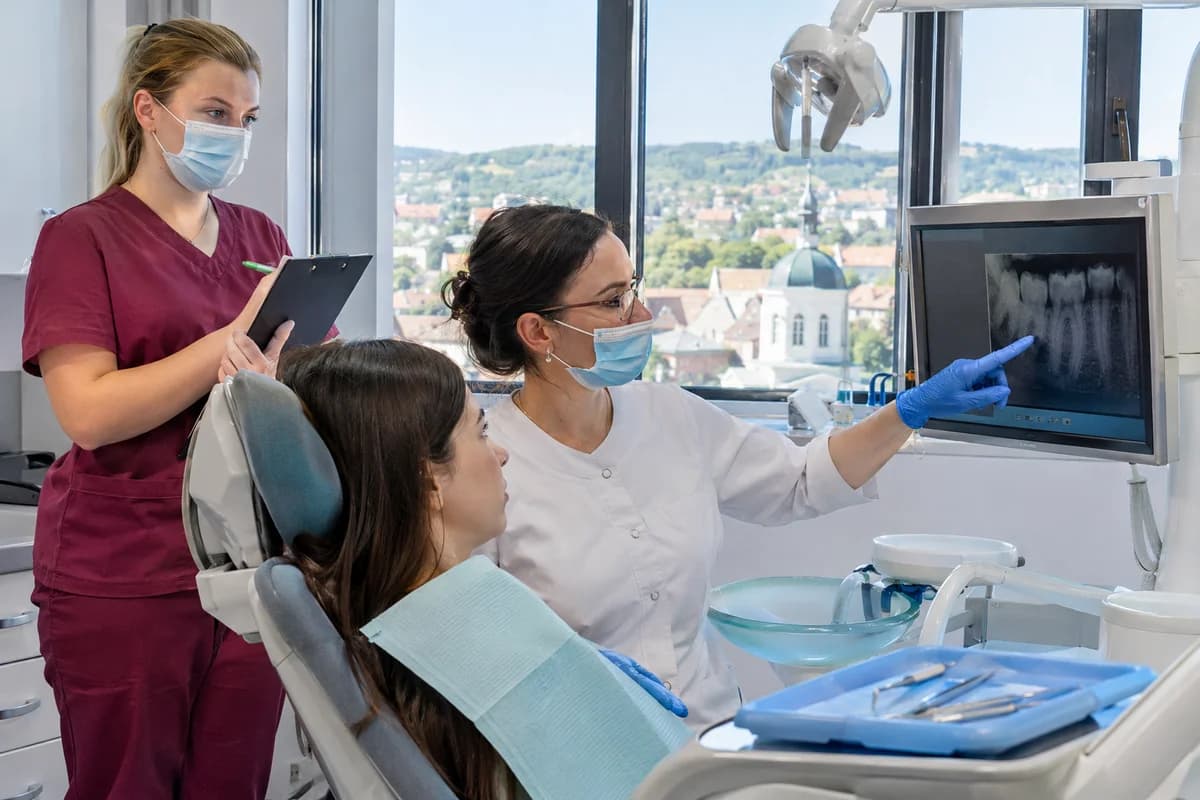
Software studios, product teams and testing firms hire from the universities and serve clients abroad. Private clinics and dental practices treat patients from the whole region. Our Bengaluru hours overlap with the Cluj morning and early afternoon, a gap of about three hours ahead with summer time.
The districts, business parks and markets that matter in Cluj-Napoca.
How Cluj-Napoca businesses pick and use software.
Software and testing studios that bill clients abroad by sprint.
Clinic and dental practice owners who book patients and send lab work.
Where Cluj-Napoca businesses lose time and money.
Semester rentals and deposits
A landlord tracks rooms, deposits and meter readings for dozens of students, and leases begin and end together in autumn and summer. A rental record with due dates handles the rush.
Sprint hours do not match invoices
Developers log time in one tool, and finance bills from another. Disputes follow. A shared hours record linked to each sprint settles the argument before the invoice goes out.
Patients book by phone and by app
A dental practice answers calls, messages and an online form. Double bookings appear on busy afternoons. One shared calendar per chair removes the clash.
What we would build for Cluj-Napoca businesses.
Usually in this order, starting with whatever the audit ranks first.
Custom Software and Product Engineering
Software built around how your business actually runs, when nothing off the shelf fits without workarounds.
Learn moreWeb and Mobile Application Development
Web and mobile apps for customers, field staff and dealers, built to work on ordinary phones.
Learn moreQA and Software Testing
Testing on the phones, browsers and patchy networks your customers and staff actually use.
Learn moreAPI and System Integration
Connections between existing tools, with record ownership, duplicate handling and reconciliation agreed for each flow.
Learn moreReady products that fit Cluj-Napoca businesses.
Each one is adapted to how your business works before it goes live, and anything your trade needs that it lacks is added then. You are not paying to build the basics again.
Enterprise Software Company Management Software
RFP tracker, deployment and version register, licence and support contracts, SLA ticketing, customisation log and partner deals for enterprise software vendors.
Learn moreDental Clinic Management Software
Appointments by chair, tooth charts, treatment plans, lab work orders, instalment billing, dentist payouts and recalls for dental clinics.
Learn moreProperty Rental Agency Management Software
Listings, viewings, tenancy agreements, deposits, rent ledger, repair jobs, inventories, inspections, renewal notices and landlord statements for lettings agencies managing flats, houses and shop units.
Learn moreHow the work runs from Bengaluru for Cluj-Napoca.
- 1
The audit, by call
A screen-share and a look at the sheets, accounting reports and WhatsApp groups your team uses. No travel needed.
- 2
A written proposal
Scope, what we build first and the cost, agreed in writing before anything starts.
- 3
Build in short rounds
Working screens shared every few weeks. Your team tests them from your own office.
- 4
Go-live, in person when it helps
For data migration and training we can come to Cluj-Napoca. Travel is agreed in advance.
- 5
Support online
Fixes, changes and hosting handled remotely by the same team that built it.
The work we have published.
We don’t claim Cluj-Napoca clients we don’t have. These are systems our team built; the way we work is the same wherever you are.
PetSeva: matching owners to the right vet, at any hour
A two-sided veterinary platform where vets are searchable by specialisation and bookable outside clinic hours. It now carries more than 2,000 veterinary doctors.
Read the case study Paying guest accommodationSAM Atithi Pavathi: bed-level occupancy as the source of truth
PG management software where allocation, rates and invoices are derived from bed-level occupancy and not maintained in parallel spreadsheets.
Read the case study School transport servicesSAM Tours: school transport on a single ledger
Registration, fee collection, routing and finance write to the same records, closing the gap between journeys run and fees collected.
Read the case study Microfinance and Self Help GroupsVikasa RDO: making SHG loan recovery auditable
Loan proposals, recoveries and commissions sit on one record, with a person attached to every state change, so a business handling a bank’s money can show where each rupee went.
Read the case studyMake the scope specific to your business.
Work through a real example from your operation and agree the handoffs, controls and support the project needs.
Sprint hours do not match invoices
Can you explain the balance from its original documents?
Select a partly settled example in “Sprint hours do not match invoices”. Ask for the invoice, allocated receipts and remaining balance to be shown together before agreeing the opening figures.
Background reading: ERPNext: outstanding invoices
Questions Cluj-Napoca owners ask before they call.
Can a landlord track student deposits and meter readings?
Yes. Each room has a lease, a deposit and a reading history, and the system flags leases that end soon. Statements can print in Romanian or English.
Can screens use Romanian and Hungarian?
Yes. Either language, or both together, can appear on screens and papers, with the special letters tested before launch, and someone fluent on your staff approves each template.
What happens after I share my requirements?
We review your brief and clarify the work with you. We then look at the software, spreadsheets and WhatsApp groups your business runs on today and write down what works, what slows your team down and what is missing. A demo login, a screen-share or a few screenshots are enough. You get a short written summary ordered by priority, with no obligation to hire us afterwards.
How much will the software cost?
We don’t publish a price, because it depends on what the system has to do. That first review settles the scope, and the cost goes into a written proposal before any work starts.
Industries we build for in Cluj-Napoca.
Elsewhere in Romania.
Tell us what your Cluj-Napoca business runs on today.
Send a short note on the spreadsheets, software or WhatsApp groups your team depends on. We reply the same working day.
What happens after you share your requirements
- We review your brief and the systems you already use.
- We clarify the workflow, missing information and the work to consider first.
- The proposed scope sets out the deliverables, responsibilities and dependencies.
- Review the scope and commercial terms before deciding whether to proceed.
Start with your requirements
Describe your current process, the people involved and the change you need. Start with the details you know; we can clarify the rest together.
Share your requirements