Seville · CountriesSeville’s hotels, festival caterers, aircraft suppliers and food makers work in Spanish and English.
Seville is the capital of Andalusia, a city of orange trees, a vast Gothic cathedral and the Alcázar palace, where tourism fills the hotels and two festivals pack the spring. Aircraft work goes on at the edge of town. Olive and food firms sell across the region. Invoices are written in Spanish.
Two weeks of the year shape much of Seville’s business. Holy Week brings processions through the old centre, and the April Fair follows a few weeks later, so hotels fill and every tour guide is booked. Summer is brutal.
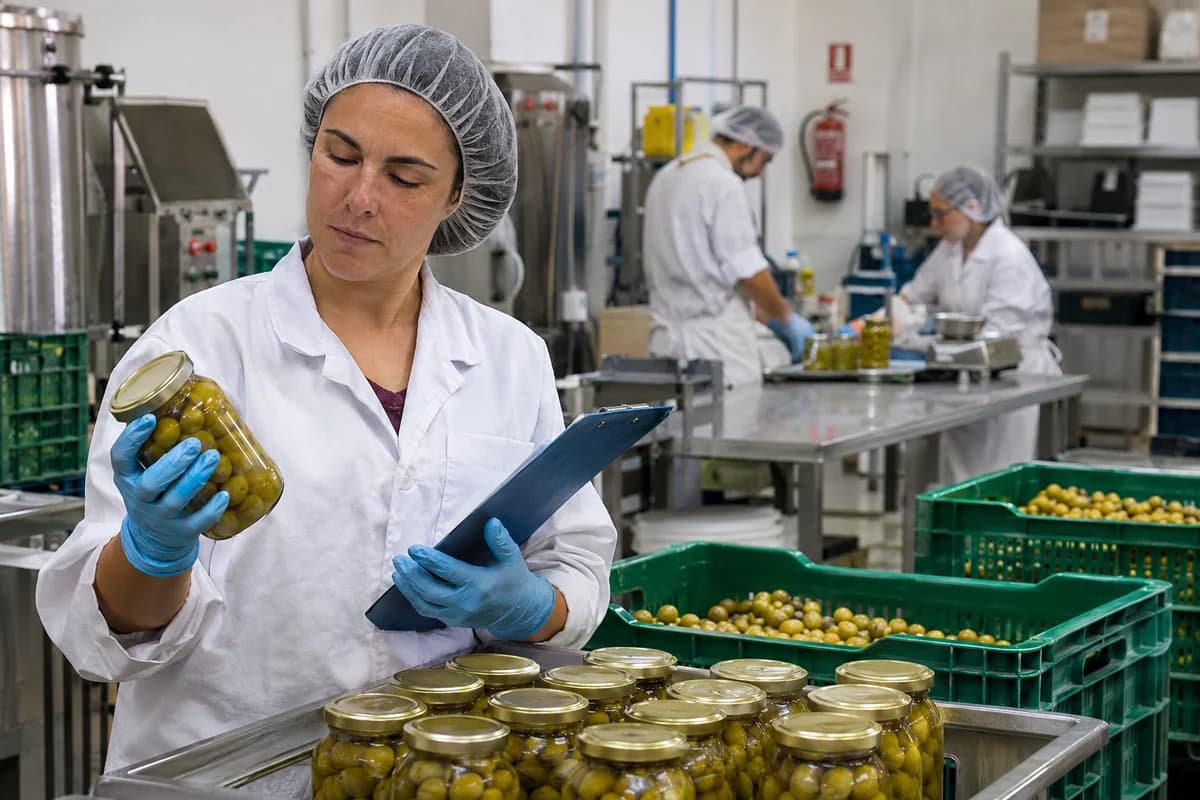
Away from the old centre the city has a quieter industrial side, where aircraft parts are made on the outskirts and the countryside supplies olives, oranges and cured foods to wholesalers. Shops close in the afternoon. They reopen late.
The districts, business parks and markets that matter in Seville.
How Seville businesses pick and use software.
Owners of small hotels and guesthouses who take bookings from several countries and want rooms, rates and arrivals in a single list instead of three notebooks.
Managers of aircraft parts and machining firms who must show a customer the whole history of a part, from the first bar of metal to the final inspection.
Where Seville businesses lose time and money.
Festival weeks swamp the booking sheet
Rooms, tables and tents sell out months ahead for Holy Week and the April Fair, and spreadsheets break when requests double. A single calendar with deposits and waiting lists keeps overbooking out.
Aircraft parts need a full paper trail
A customer may ask which bar of metal became which part, and who inspected it. Searching binders takes days. Records tied to each part number answer in minutes.
Food sellers juggle batches and dates
Cured meats, oils and preserves leave a workshop in small lots, so a lot number on each order lets the seller trace a complaint back to the day it was packed. Paper slips fade.
What we would build for Seville businesses.
Usually in this order, starting with whatever the audit ranks first.
Web and Mobile Application Development
Web and mobile apps for customers, field staff and dealers, built to work on ordinary phones.
Learn moreAPI and System Integration
Connections between existing tools, with record ownership, duplicate handling and reconciliation agreed for each flow.
Learn moreData Migration and Moving Off Spreadsheets
Data migration and spreadsheet replacement covers auditing existing files, cleaning and deduplicating records, loading them into a new system and reconciling the loaded result against known totals. Both systems then run side by side before cutover. Originals stay untouched.
Learn moreManaged IT Support
Managed IT support is routine care for offices without an IT team. A helpdesk takes faults from staff, laptops are patched and encrypted, Microsoft 365 and Google Workspace tenants are administered, and backups are proved by restore tests. Account changes follow a checklist.
Learn moreReady products that fit Seville businesses.
Each one is adapted to how your business works before it goes live, and anything your trade needs that it lacks is added then. You are not paying to build the basics again.
Hotel Management Software
A property management system for room bookings, the reservation chart, front desk, housekeeping, rate plans, guest folios and banquet hall bookings in hotels and resorts.
Learn moreAerospace Manufacturer Management Software
Quotations, routings, work orders, heat and lot traceability, first article reports, nonconformances, special processes and certificates for aerospace and aviation parts makers.
Learn moreEvent and Wedding Management Software
Enquiries and site visits, head-count quotations, vendor bookings and advances, day schedules, staff deployment and settlements for event and wedding planners.
Learn moreHow the work runs from Bengaluru for Seville.
- 1
The audit, by call
A screen-share and a look at the sheets, accounting reports and WhatsApp groups your team uses. No travel needed.
- 2
A written proposal
Scope, what we build first and the cost, agreed in writing before anything starts.
- 3
Build in short rounds
Working screens shared every few weeks. Your team tests them from your own office.
- 4
Go-live, in person when it helps
For data migration and training we can come to Seville. Travel is agreed in advance.
- 5
Support online
Fixes, changes and hosting handled remotely by the same team that built it.
The work we have published.
We don’t claim Seville clients we don’t have. These are systems our team built; the way we work is the same wherever you are.
PetSeva: matching owners to the right vet, at any hour
A two-sided veterinary platform where vets are searchable by specialisation and bookable outside clinic hours. It now carries more than 2,000 veterinary doctors.
Read the case study Paying guest accommodationSAM Atithi Pavathi: bed-level occupancy as the source of truth
PG management software where allocation, rates and invoices are derived from bed-level occupancy and not maintained in parallel spreadsheets.
Read the case study School transport servicesSAM Tours: school transport on a single ledger
Registration, fee collection, routing and finance write to the same records, closing the gap between journeys run and fees collected.
Read the case study Microfinance and Self Help GroupsVikasa RDO: making SHG loan recovery auditable
Loan proposals, recoveries and commissions sit on one record, with a person attached to every state change, so a business handling a bank’s money can show where each rupee went.
Read the case studyMake the scope specific to your business.
Work through a real example from your operation and agree the handoffs, controls and support the project needs.
Festival weeks swamp the booking sheet
What becomes available when a booking is moved or cancelled?
Use “Festival weeks swamp the booking sheet” to move a booking, then cancel a second example. Check the released slot, the person or resource still assigned, and any amount left to settle before accepting the revised schedule.
Background reading: ERPNext: appointment records
Questions Seville owners ask before they call.
Can bookings handle Holy Week and the April Fair?
Yes. Rooms, tables and group packages can carry seasonal rates, deposit rules and waiting lists. Your manager sets the rules for each festival week and can change them before the next one begins.
Will guests see English as well as Spanish?
Yes. Booking pages, confirmations and printed vouchers appear in Spanish or English, chosen per guest, and a native speaker on your team should read the final wording before launch.
What happens after I share my requirements?
We review your brief and clarify the work with you. We then look at the software, spreadsheets and WhatsApp groups your business runs on today and write down what works, what slows your team down and what is missing. A demo login, a screen-share or a few screenshots are enough. You get a short written summary ordered by priority, with no obligation to hire us afterwards.
How much will the software cost?
We don’t publish a price, because it depends on what the system has to do. That first review settles the scope, and the cost goes into a written proposal before any work starts.
Industries we build for in Seville.
Tell us what your Seville business runs on today.
Send a short note on the spreadsheets, software or WhatsApp groups your team depends on. We reply the same working day.
What happens after you share your requirements
- We review your brief and the systems you already use.
- We clarify the workflow, missing information and the work to consider first.
- The proposed scope sets out the deliverables, responsibilities and dependencies.
- Review the scope and commercial terms before deciding whether to proceed.
Start with your requirements
Describe your current process, the people involved and the change you need. Start with the details you know; we can clarify the rest together.
Share your requirements