Software Solutions for Baby Feeding Product Sellers
Feeding products include bottles, teats, cups, sterilisers, warmers and infant food. Parts fit only certain bottles, teats come in flow stages and wear out, and infant food carries batches and expiry. Sellers online need part-to-bottle pairing, replacement reminders and careful claims.
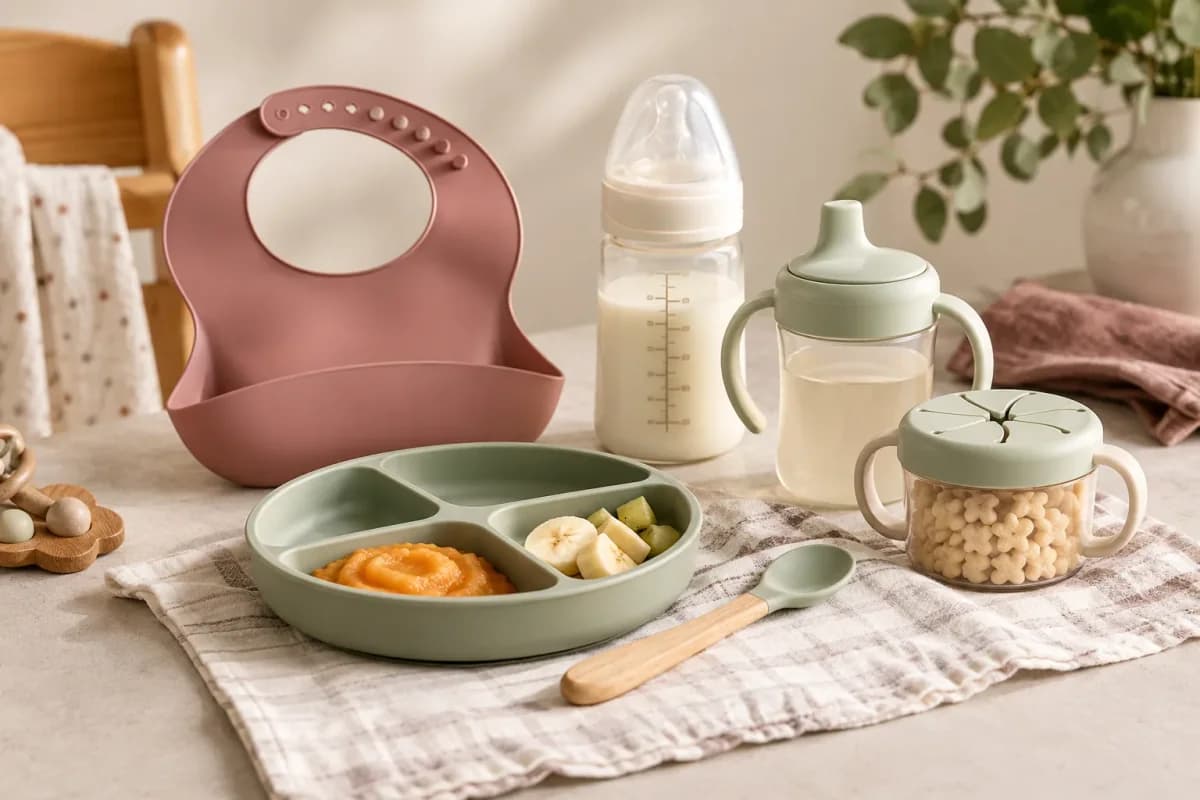
Pair bottles, teats and sterilisers so parents buy parts that fit.
A teat is not a teat. It fits one bottle neck, flows at one stage, and is replaced every few months. A catalogue that cannot say so sells the wrong part.
Specialist feeding brands
One maker sells bottles, teats and sterilisers, and wants parents to buy parts from within its range.
Multi-brand baby stores
A store lists several makers, so compatibility between brands has to be stated and checked.
Infant food sellers
A seller of infant cereals and purées manages batches and dates alongside the gear.
The workflow for feeding products.
- 1
Bottle chosen first
A parent picks a bottle by material and size, and the listing shows the teats, caps and brushes that fit it.
- 2
Flow stage selected
Teat flow stages are shown by baby age, as the maker states, and the parent chooses.
- 3
Appliance with warranty
A steriliser or warmer ships with its serial number recorded for warranty.
- 4
Batch-picked food
Infant food leaves the shelf by batch and expiry, earliest first.
- 5
Replacement reminder
A reminder to change teats is offered some weeks after purchase, if the parent agrees.
The challenges, and what they cost.
What is specific to this trade.
These are requirements we would confirm in discovery. They describe what the solution may need to handle. They are not features that already exist.
- Compatibility between bottles, teats and parts held as data
- A source document or maker’s statement for each material or safety claim
- Batch and expiry on infant food
What we would build for feeding products.
Chosen from the commerce capabilities this business needs, not a list of everything.
Who works in the system, and what each can do.
What it would connect to.
An integration is confirmed only after its API, access and scope are checked. A connection that updates on a schedule is described as scheduled, not real-time.
- Maker data sheets for pairing, loaded from the supplier’s files
- Cash on delivery and prepaid checkout in your existing payment account
- Courier return pickup for appliances, added once the carrier’s service is confirmed
How the work runs, and what we need from you.
What you provide
- Bottle, teat and part lists by maker
- Maker documents behind material claims
- Your food batches and expiry dates
Build the pairing table
Compatibility is entered and checked before any listing relies on it.
List appliances separately
Sterilisers and warmers get warranty handling from the first day, because their returns differ from small parts.
What you receive.
- A compatibility table and part finder
- A claims register
- Batch and expiry handling for food
- Appliance serial and warranty records
How progress is judged.
Measures are agreed against your own baseline. We do not promise a result in advance.
- Returns for parts that did not fit
- Infant food dispatched inside its short-date window
Selling at home and abroad.
Each market sets its own labelling and promotion rules for infant food and feeding products. Your adviser confirms what a listing may say in each country before it is published.
The wider requirements for baby products are on the Baby Products page.
Related subcategories.
Baby Products E-commerce Software
Configured implementation
Age, fit and subscription logic is added to a store platform that discovery selects. No GullySystem product is named for this solution.
Part pairing, claims and food batches are catalogue and stock configuration, and the category solution already holds them.
Read about the softwareExisting GullySystem products that apply
Related services
Selling in a shop as well?
Test the order that does not follow the usual path.
Bring an awkward order or catalogue example to discovery and agree who handles the exception.
Batch and expiry for food
How is an expired or held lot kept out of an ordinary issue?
Use “Batch and expiry for food” to compare a usable lot with one awaiting a decision. Agree how the team identifies the affected quantity before picking or issuing it.
Background reading: ERPNext: batch records
Appliance serial and warranty
What proves that a planned task was actually completed?
Select an overdue entry in “Appliance serial and warranty”. Ask which work record closes it and what remains visible when the visit is postponed or only part of the job is done.
Background reading: ERPNext: maintenance plans
Questions about feeding products e-commerce.
Can the site say which teat fits which bottle?
Yes, where the pairing is held as data. The parent chooses a bottle and sees the parts listed for that bottle.
Does the system verify safety claims on a material?
No. It stores the maker’s statement or document and shows it. Verification belongs to the maker and the bodies that test materials.
Can infant food be sold by batch?
Yes. Batches and expiry dates are loaded for each lot and food is picked earliest-first, from the stock sheet you provide.
Can we remind parents to replace teats?
Yes, if they have agreed to messages. The gap is set by you from the maker’s advice.
Talk through your commerce requirement.
Share what you sell, where orders arrive and how you manage stock and fulfilment today.
- Your products and sales channels
- Your order and stock workflow
- The connections you need
Start with your requirements
Describe your current process, the people involved and the change you need. Start with the details you know; we can clarify the rest together.
Share your requirements