Software Solutions for Meat and Poultry Sellers
Meat and poultry are sold by weight after cutting and cleaning, with cuts chosen by the buyer. Stock is chilled and short-lived, and sourcing records matter. Sellers need cut options, weight-adjusted billing, chilled handling and batch records back to the supplier.
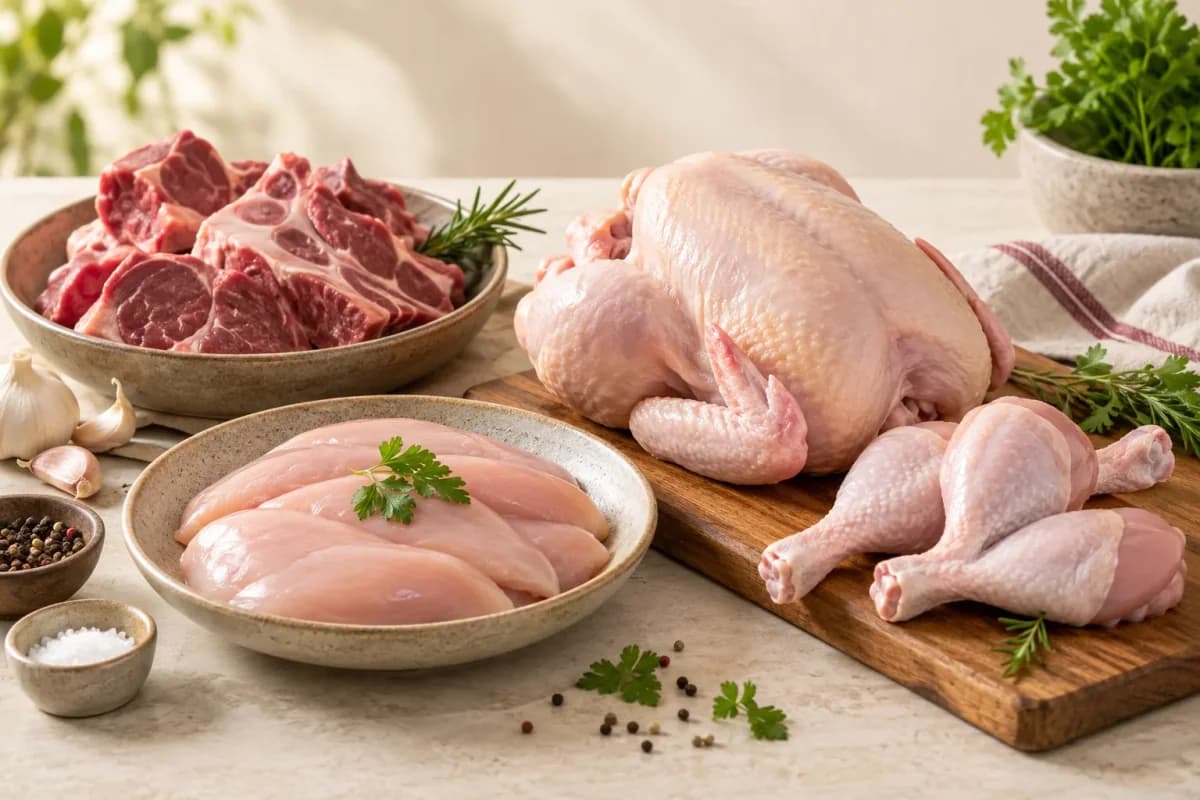
Cut to order, weigh the result and bill what was actually cut.
The weight a customer orders is not the weight they receive, because cleaning and trimming change it. Billing has to follow the cut weight.
Chilled stock has a short window. What is listed in the morning must be what the counter can cut, weigh, pack and hand to a rider before the afternoon slots begin.
Online butcher shops
A shop lists chicken, mutton and other meats with cuts and delivers chilled.
Poultry brands
A brand sells ready-to-cook and marinated lines, with sourcing details.
Suppliers to hotels and caterers
A supplier sells larger cut quantities on standing orders.
The workflow for meat & poultry.
- 1
Cut and weight chosen
The buyer picks the cut, such as curry cut or boneless, and an approximate weight.
- 2
Cut to order
The butcher cuts the order, weighs the cleaned meat and records any trim loss.
- 3
Weigh and bill
The final bill follows the cut weight. The difference from the estimate is shown.
- 4
Chilled pack and ship
Orders are packed with ice or gel and delivered within a short window.
- 5
Batch trace
Each cut is linked to the supplier batch it came from.
The challenges, and what they cost.
What is specific to this trade.
These are requirements we would confirm in discovery. They describe what the solution may need to handle. They are not features that already exist.
- Cut and clean options as fields on each item
- A bill that follows cut weight, with the estimate shown
- Supplier batch linked to each order line
What we would build for meat & poultry.
Chosen from the commerce capabilities this business needs, not a list of everything.
Who works in the system, and what each can do.
What it would connect to.
An integration is confirmed only after its API, access and scope are checked. A connection that updates on a schedule is described as scheduled, not real-time.
- Stock and billing that carry weight-based items
- Delivery riders or a carrier suited to chilled goods
- A payment gateway account
- Temperature records, where a logger is fitted and can share readings
How the work runs, and what we need from you.
What you provide
- Your cut list and cleaning options
- Suppliers and how batches are identified
- Delivery windows and how you keep goods chilled
Cut options first
The list of cuts and cleaning choices is settled first, since it drives the catalogue.
A short delivery radius
The first release serves a small area so chilled delivery can be checked.
What you receive.
- A cut-and-clean catalogue
- Cut-weight billing rules
- A batch trace record
- Training for counter staff and dispatch
How progress is judged.
Measures are agreed against your own baseline. We do not promise a result in advance.
- Bills disputed over weight
- Orders delivered within the stated window
Selling at home and abroad.
Rules on meat, labelling and the way animals are processed differ by country and region. Pages use the labels you declare, and your own adviser checks each market.
The wider requirements for fresh & frozen food are on the Fresh & Frozen Food page.
Related subcategories.
Fresh & Frozen Food E-commerce Software
Configured implementation
A commerce platform able to handle recurring orders carries the storefront, and discovery decides which one. GullySystem’s Grocery Management System can run the shop counter and stock. Batch dates, chilled handling and cold-chain records are not among its listed modules, so they are added.
Cut options and weight-adjusted billing are catalogue and billing rules that the category solution carries for all variable-weight goods.
Read about the softwareExisting GullySystem products that apply
Related services
Test the order that does not follow the usual path.
Bring an awkward order or catalogue example to discovery and agree who handles the exception.
Cut-weight billing
Do purchasing, operating and billing quantities use the same unit?
Check the measurement unit and rounding used in “Cut-weight billing”. Compare the result with a known sample before accepting a converted quantity or calculated charge.
Background reading: ERPNext: units of measure
Batch trace
Can you follow a suspect input through to the affected deliveries?
Pick one real record from “Batch trace”. Ask the team to trace its origin and identify the later work or deliveries it affected, including any split quantities.
Background reading: ERPNext: forward and backward traceability
Questions about meat & poultry e-commerce.
Will the customer pay for the weight ordered?
No. The bill follows the weight after cutting, and the estimate and final figures are shown.
Can we trace meat to the supplier?
Yes, where batch numbers are entered at receipt. The system links each order to them.
Does it check temperatures?
Not on its own. Readings can be recorded, or read from a logger once its output is confirmed.
Talk through your commerce requirement.
Share what you sell, where orders arrive and how you manage stock and fulfilment today.
- Your products and sales channels
- Your order and stock workflow
- The connections you need
Start with your requirements
Describe your current process, the people involved and the change you need. Start with the details you know; we can clarify the rest together.
Share your requirements