Repair quotations and approvals for workshops
Quotations and approvals turn a teardown report into a priced offer for a motor, pump or gearbox. The estimator picks parts, labour and machining from the workshop’s own lists. Every revision is kept. When the customer decides, the system records who approved the work and on which date, so the invoice has something to follow.
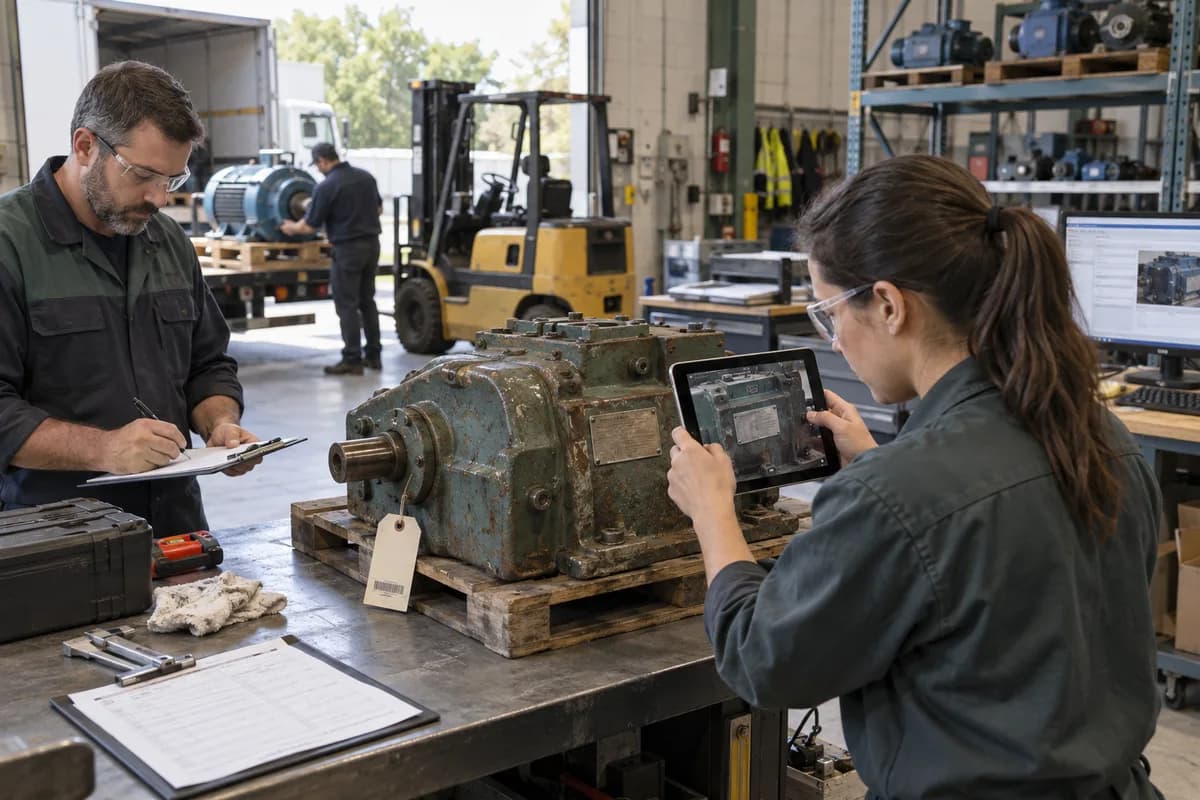
What a repair quotation keeps on record
A quotation here is more than a total. It is a set of priced lines tied to a job, with every version and every reply preserved. The record holds four things that a phone call or a loose sheet would lose.
A working week of quotes and replies
Quotations move at the pace of the customer’s reply. A plant waiting on a motor wants a figure fast, and a workshop wants to start only on work that is approved. Speed matters on both sides. Four moments from a normal week show how the record is used.
Who prices, approves and bills from the quotation
Several desks depend on the same quotation. Each needs a different slice of it, and none should have to ask another desk for a figure that is already on the record.
Decisions to settle before the first quotation
Quoting works when its rules are written down. Four short rules cover it. Agree them with the owner and the estimator before the lists are loaded, and keep a copy beside the rate lists.
How quotations connect to the rest of the job
A quotation takes its lines from the teardown report and hands its approved figure to everything after it. The stages that follow read the same record. No desk re-enters a price. Billing in particular depends on the approval trail, because the invoice follows the approved figure.
- Takes replace and repair lines from the teardown report
- Releases approved work to the repair stages and bays
- Lets stores see which bearings and seals will be needed
- Passes outside work such as line boring into the quoted figure
- Gives accounts the approved lines to invoice against
Where quotations and approvals stop
This feature prices and records. It does not decide what the workshop should charge, and it does not chase a customer on its own. Rates, discounts and credit terms stay with the owner. Tax treatment of the invoice is for the accountant. A single small repair with a fixed price can run on a template quotation.
Frequently asked questions
What happens when a customer scraps the unit?
The quotation is marked scrapped, with the name of the person who decided and the date. The bench then stops work on it. What is owed for the teardown is for the owner to settle with the customer.
Can I see every earlier version of a quotation?
Every earlier version stays on the quotation as it was sent. The first figure and the approved one open side by side. A dispute about a changed price is then simple to answer. Versions are never overwritten.
Where do the labour and machining rates come from?
They are loaded from your own lists during implementation, along with common parts such as bearings and lip seals. If a rate changes later, you ask. GullySystem edits the list. Quotations then start from current prices.
Is there a way to spot lapsed quotations?
A report lists quotations awaiting approval or lapsed. Open it first each morning. Anything old is chased by phone, and the reply is recorded on the same quotation, with the name of the person who gave it.
Can the approval carry the customer’s order number?
The approval can carry the customer’s order number. Add it when it arrives from the plant. The invoice then matches the customer’s own paperwork, which helps their accounts clear it without a query or a second call.
How this feature fits the system.
Industrial Repair Management Software: the parts that work with this feature, the trades that use it and the ways to put it in place.
Teardown reports
Each unit has a job card where the inspector records measured wear, parts to replace and the likely cause of failure.
Job CardsQuotations and approvals
A quotation is priced from the teardown lines using your labour, machining and part rates, with every revision kept and the approval noted.
Quote & Proposal ManagementRepair stages and bays
A repair moves through strip, repair, machining, assembly and test, and the board shows which bay and technician hold it now.
Work Order ManagementTell us what you need.
Tell us what your team does today, where work gets stuck and what you want to change.
What happens after you share your requirements
- We review your brief and the systems you already use.
- We clarify the workflow, missing information and the work to consider first.
- The proposed scope sets out the deliverables, responsibilities and dependencies.
- Review the scope and commercial terms before deciding whether to proceed.
Start with your requirements
Describe your current process, the people involved and the change you need. Start with the details you know; we can clarify the rest together.
Share your requirements