Loyalty Points and Offers for Pet Shop Owners
Repeat owners earn points on food bags, and the shop runs bundle offers on food and bowls. Points and offers are tied to the owner, not the till. A report names the offers that brought owners back. The shop learns which rewards worked. The counter applies them without extra keying.
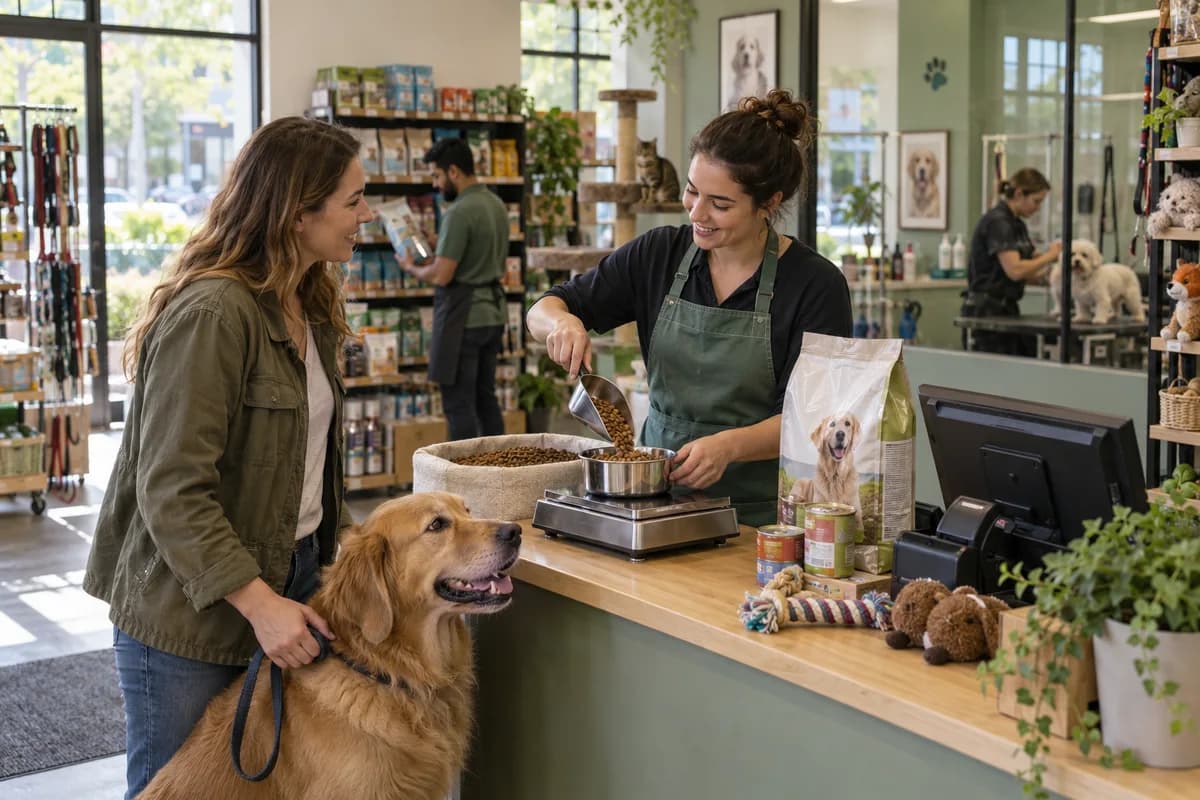
Points, bundles and the owners they reach
A loyal owner buys the same large bag every few weeks. A new owner buys a bowl on offer and never returns. Both kinds of reward hang on the owner’s name, not on a till receipt, so the shop can tell them apart. Names keep the score.
A bag, a bowl and a second visit
An owner buys a bag and earns points. Beside the shelf, a bundle catches the eye of a new owner. Weeks later the owner who took the bundle either comes back or does not. Each moment is followed to the end.
Who rewards, who rings up, who reads results
Loyalty touches the till, the shelf and the owner’s desk. Each person sees points and offers differently. Associates ring them, the stock keeper builds stock for them and the owner decides which to keep.
Reward rules to settle before launch
A loyalty scheme quietly commits the shop to something. Points owed and offers promised become costs. Four decisions made early keep the scheme affordable and easy to explain at the till.
How loyalty links to billing and stock
Loyalty depends on billing to apply points and bundles and on the owner record to hold them. Near-date food feeds bundle offers. Delivery orders carry the same offers as the counter. Reports show which offers brought owners back, and the owner decides what to repeat.
- Counter billing applies points and bundles at the till
- Pet and owner records tie points to each owner
- Food batches and best-before dates feed bundle offers
- Home delivery orders carry the same offers as the counter
- Refill reminders reach owners due to return
What a loyalty record does not decide
Points and bundles are the shop’s promises. The record counts them but does not set their cost, judge whether an offer pays for itself or settle how points are treated in the accounts. Those questions go to the owner and the accountant. Rules on promotions belong to the owner’s adviser. A shop with a stamp card and a few regulars may need nothing more. It pays back as owners and offers multiply.
Frequently asked questions
Are points tied to the owner or the pet?
Points are tied to the owner. A household with a dog and two cats earns on one total, whichever pet the food was for. The pet cards stay separate, so diet and weight are unaffected by the points.
Can a bundle mix food and bowls?
Bundles can combine food and bowls, and the shop names each one and sets its dates, so staff know what is running. Items rung together trigger the offer. Toys and other accessories can be included where the shop chooses.
How does the shop see which offers worked?
A report shows which offers brought owners back. It compares owners who took an offer with those who bought again afterward, offer by offer. The owner then repeats the offers that rebuilt regulars and drops the rest.
Can near-date stock go into an offer?
The batch list shows lines close to their date, and the owner can build a bundle around them. That route keeps stock moving before the date. The other routes are a return to the distributor or a lower price.
Do online orders earn points as well?
Phone and web orders are billed against the owner’s record, so points can be earned the same way as at the counter. An order is marked delivered when the owner confirms it. Points rules are set by the shop.
How this feature fits the system.
Pet Store Management Software: the parts that work with this feature, the trades that use it and the ways to put it in place.
Food batches and best-before dates
Each carton’s batch and expiry are recorded on receipt, so a bag nearing its date can be found, moved forward or returned.
Batch and Serial TrackingLoose weight and pack-size sales
A sack is one item that sells by the gram or in smaller packs, so the scoop and the stock figure agree.
Product ManagementCounter billing and held bags
Food, toys and accessories are billed with mixed payments, and a bag held for pickup stays under the owner’s name.
Point of Sale BillingTell us what you need.
Tell us what your team does today, where work gets stuck and what you want to change.
What happens after you share your requirements
- We review your brief and the systems you already use.
- We clarify the workflow, missing information and the work to consider first.
- The proposed scope sets out the deliverables, responsibilities and dependencies.
- Review the scope and commercial terms before deciding whether to proceed.
Start with your requirements
Describe your current process, the people involved and the change you need. Start with the details you know; we can clarify the rest together.
Share your requirements