Effluent and sludge log for plating
Plating shops produce rinse water, treated effluent and sludge, and each has to be recorded. This feature keeps effluent treatment readings, sludge drums and waste movements with dates and quantities. One record serves the plant and the yard. It is ready for your own files and your adviser.
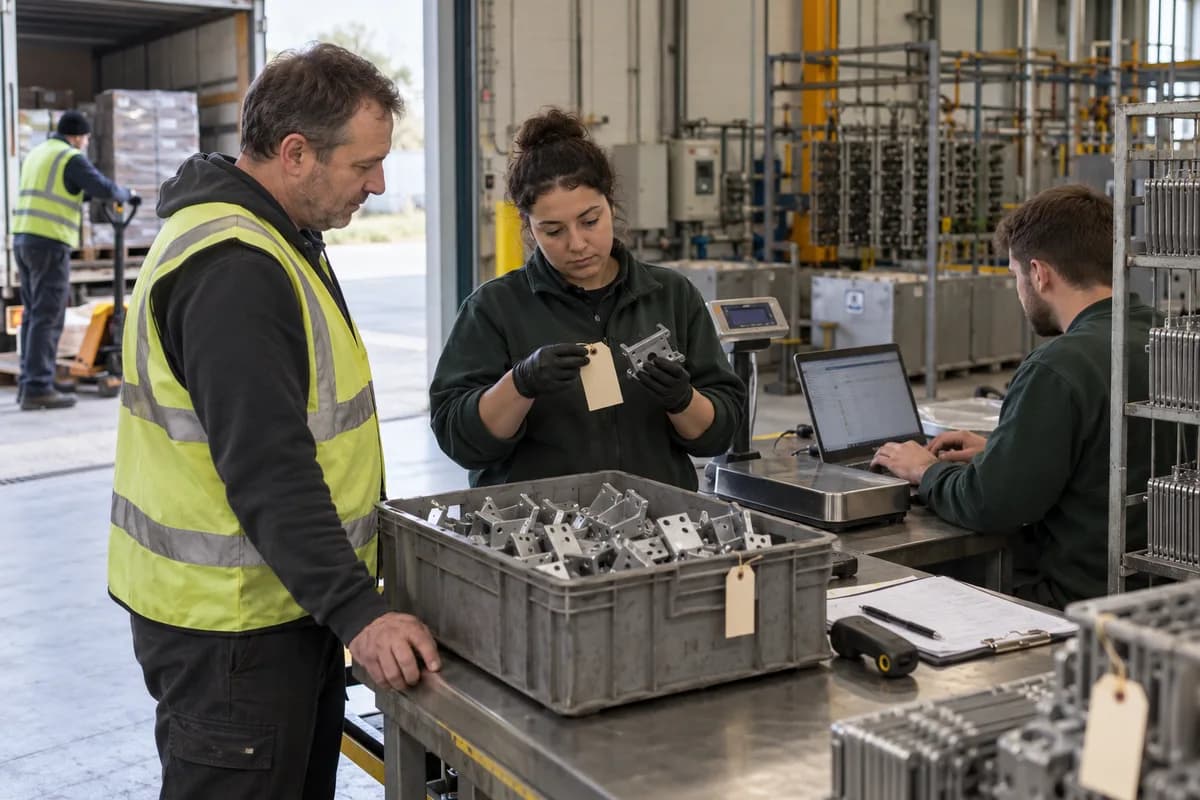
A day at the treatment plant and the yard
The effluent plant runs alongside the line, and waste leaves by the gate. Somebody reads the treatment gauges, somebody fills drums, and somebody signs for the lorry. Each task leaves a trace if it is logged at the time. Logging late loses detail.
Entries kept for effluent and waste
A plain record of readings and movements is all this is. Each entry has a date, a quantity and a name. Nothing in it is a verdict. Four kinds of entry cover the treatment plant and the yard of a plating shop.
Who adds waste entries and who reads them
Entries are made at the plant and the yard, but they are read in the office. Different people hold different parts of the story. Each adds only what they handled. Anyone with access may read the whole.
How the waste log links to chemicals and baths
Effluent and sludge are the other end of the chemical store. What goes into the tanks eventually comes out as rinse water and sludge. Waste entries sit beside the chemical and bath records so the three can be read together. Dates line up. Questions about a heavy month get an answer from one place.
- Chemical use by tank gives context for sludge volumes
- Bath analysis history shows when a tank was remade
- Chemicals and anode stores record what entered the line
- Dates match across bath, store and waste records
- Exports pass the log to your adviser as needed
Decisions about readings, drums and records
A waste log is only useful if the entries are consistent. Different shops treat different parameters and different waste streams. Agree these points with the person responsible for the plant. Do it before the first reading goes in.
What the waste log does not promise
Readings, drums and movements are what this log keeps. It files no returns with any authority. It does not connect to instruments, check limits against a permit or say the shop complies. Those matters belong to the owner and the adviser. A shop with a single drum a year can use a book. Size decides.
Frequently asked questions
Which effluent readings can we record?
Whichever parameters your plant measures. You decide the list, and each reading is stored with the date, figure and name. Past entries stay readable. Your adviser can say what a regulator expects, and that is reviewed in implementation.
How are sludge drums tracked?
Each drum is logged when filled, with a number, date and quantity, and again when it leaves. Stores see the number waiting. The yard count stays current without anyone walking out to count it. That saves a trip.
Does the log file anything with an authority?
No filing takes place. The log holds your records, dated and in quantity, ready for your own use. Filing and permits stay with the owner and the adviser. The software makes no compliance claim for the shop.
Can we print the log for an inspector?
The log can be printed by date and quantity for any period you choose. Readings, drums and waste movements appear together. Your adviser can read the printout before it goes anywhere. Check it first, as you would any paper.
Does it connect to our treatment instruments?
Readings are keyed in by the person who takes them. Instrument connections are not part of this feature. The entry carries the date and the name, so any odd figure can be queried with the right person.
How this feature fits the system.
Plating Company Management Software: the parts that work with this feature, the trades that use it and the ways to put it in place.
Customer lots and receiving
Every delivery is booked in as a numbered lot with count and weight, so the same parts can be traced from the gate to dispatch.
Batch and Serial TrackingWork orders and line scheduling
A work order carries the finish, thickness and due date, and each tank sees which lots are queued next on its route.
Work Order ManagementRacks, barrels and loading
Lots with a compatible finish are grouped onto racks or into barrels by count and surface area, before they enter the first bath.
Production PlanningTell us what you need.
Tell us what your team does today, where work gets stuck and what you want to change.
What happens after you share your requirements
- We review your brief and the systems you already use.
- We clarify the workflow, missing information and the work to consider first.
- The proposed scope sets out the deliverables, responsibilities and dependencies.
- Review the scope and commercial terms before deciding whether to proceed.
Start with your requirements
Describe your current process, the people involved and the change you need. Start with the details you know; we can clarify the rest together.
Share your requirements