Machine batches built from textile lots
Machine batches by lot turns booked lots into runs on the jet, jigger, winch, range and stenter. The planner groups lots by shade and weight, and the supervisor records load, time, temperature and result for every run. The dye master releases the batch, and the record ties each roll to its run.
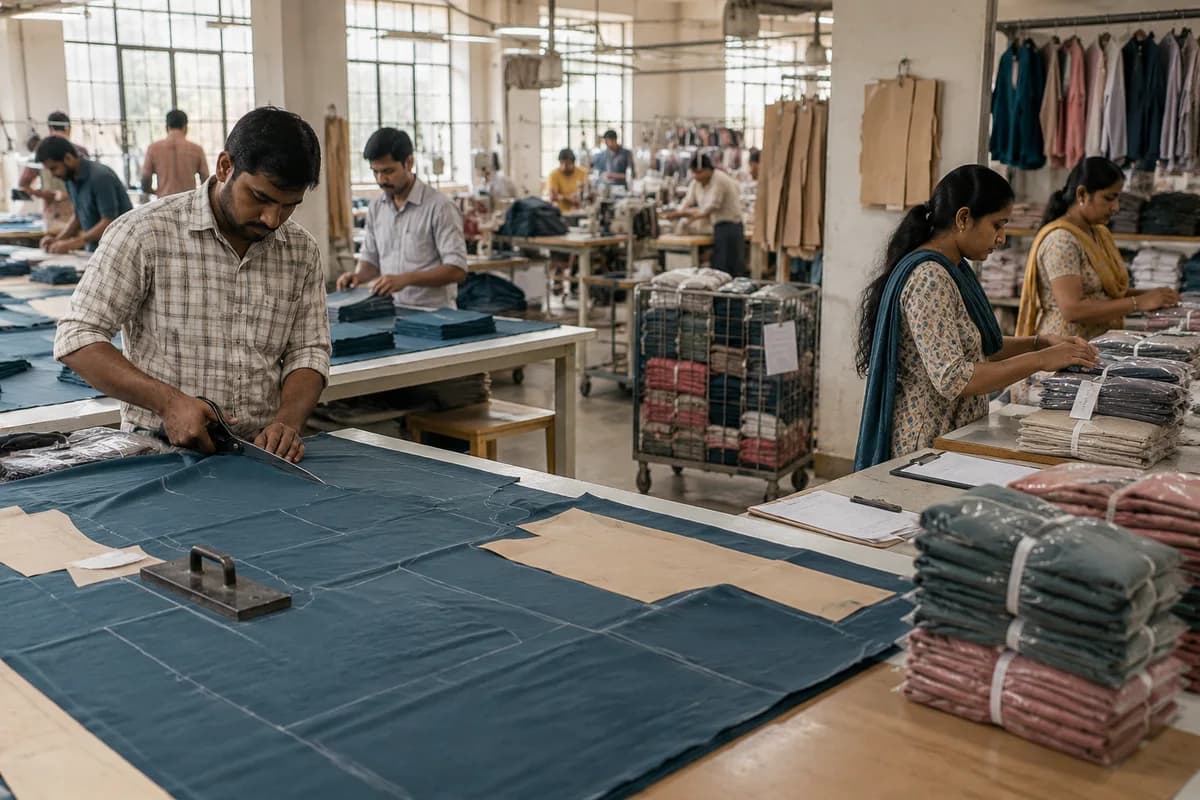
What a machine run leaves behind
Every run on every machine leaves a short record. The house needs it later, when a shade fault turns up at inspection or a customer queries a lot. The batch names its lots and rolls. Then comes what actually happened on the machine, in the supervisor’s own entries.
Planning and loading across one shift
Batches are decided in the morning and corrected through the day. Lots waiting drive the planner, the machine in front drives the supervisor, and the clock drives the dye master. Delays in one run move the next. Plans change by noon.
Who reads a batch, and for what
This is the point where planning meets the floor, so more roles read it than any other record. The next free machine matters to planning. The load matters on the floor. Whether machines are working matters to the owner.
Batch decisions that shape the plan
Batching rules differ between a jet house and a range house, so the system asks the house to say how it works. Agree these points with the dye master and the planner. They set what the batch screen offers.
How batches join the rest of the house
Built from lots, a batch ends in cloth that is measured, inspected and billed. It takes its inputs from booking, the route and the recipe library. Results go forward to the chemical store, to inspection and to the process statement for the customer. Nothing is typed twice. Each handover also removes a chance of a slip.
- Process route by lot lists lots waiting at the step
- Lab dip and recipe library supplies the released formula
- Dyes, chemicals and utilities books issues against the batch
- Metres in and out by stage measures after the run
- Inspection, rework and re-dye follows a roll to its batch
What a batch record cannot do
This record holds plans and results. It does not run the machine, tune a recipe or decide when maintenance is due. Machine controller exports can be brought in where the house sets them up, but the system does not send commands back. A house with a single jet and a handful of lots can plan on paper.
Frequently asked questions
Can one batch hold lots from different customers?
Lots from more than one customer can share a batch if the house allows that for the shade and the machine. Each lot and roll stays under its own customer. Statements and bills stay separate.
How is a re-dye batched?
A re-dye is planned like any other run. It is booked with its cause, and its chemicals and machine hours are put against the lot. The owner can then read re-dye batches apart from first runs.
What if a machine breaks down mid-run?
A supervisor records the result of the run as it stands, with a note of the breakdown. The lots in it return to the waiting list. The record then shows which lots were affected and by which machine. Nothing is left unexplained.
Does it show which machine is free next?
The planner sees the current run on each machine and the batches queued behind it, so the next free machine is easy to read. It shows what was planned. It does not forecast breakdowns or repairs.
Can we plan batches for the stenter too?
Stenter and range runs are batched like dyeing runs, with their own parameters such as width set and temperature. Lots in them keep their routes. A stenter run therefore shows up against the right step.
How this feature fits the system.
Textile Processor Management Software: the parts that work with this feature, the trades that use it and the ways to put it in place.
Grey receipt and lot booking
Grey cloth is measured and weighed on arrival against the customer’s delivery note, and damage found at the gate is recorded before it is booked.
Goods Receipt (GRN)Lab dip and recipe library
An approved shade carries its dyes, auxiliaries and conditions as a recipe, and the same formula is released for each repeat lot.
Bill of MaterialsMachine batches by lot
The planner groups lots into jet and range batches by shade and weight and sees which machine is free after the current run.
Production PlanningTell us what you need.
Tell us what your team does today, where work gets stuck and what you want to change.
What happens after you share your requirements
- We review your brief and the systems you already use.
- We clarify the workflow, missing information and the work to consider first.
- The proposed scope sets out the deliverables, responsibilities and dependencies.
- Review the scope and commercial terms before deciding whether to proceed.
Start with your requirements
Describe your current process, the people involved and the change you need. Start with the details you know; we can clarify the rest together.
Share your requirements