Tartu · CountriesTartu is a university city on the Emajõgi river with research labs, clinics, bookshops and farm trade.
Tartu is Estonia’s second city, home to the University of Tartu, which dates from 1632. Students and researchers set the pace, a large clinic and biotech labs add to it, and farms in the south sell grain and milk. Our Bengaluru team supports such firms from a distance.
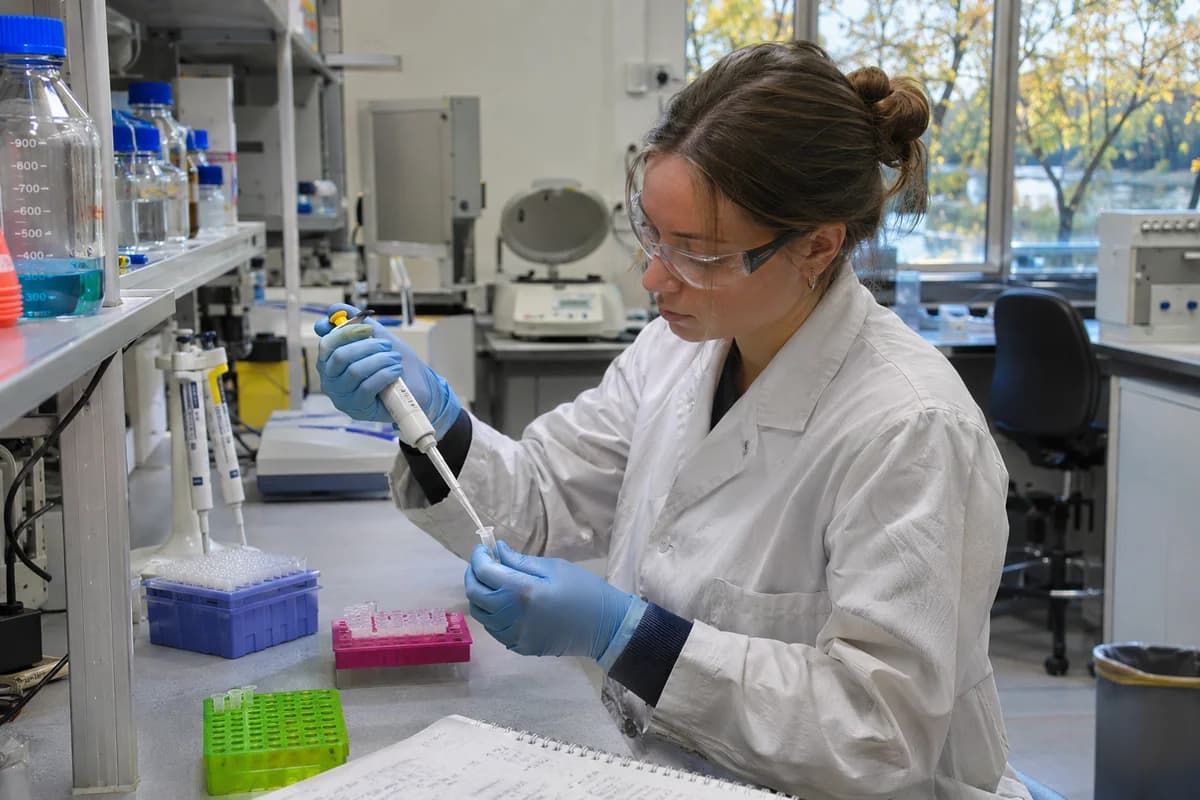
Term dates drive the city. Students rent rooms in September, cafés fill after lectures, and bookshops stock for the autumn rush. Rents, deposits and utility bills follow the academic year, and in summer, when the city empties and trade slows, landlords chase unpaid balances from departed tenants.
Research labs, a university hospital and a science park sit close to the old centre. Spin-off firms sell instruments, tests and software abroad, while South Estonia’s farms send grain and milk to processors nearby, so trade here reaches well beyond the town. Tartu shares Eastern European time, and our working hours overlap with its morning.
The districts, business parks and markets that matter in Tartu.
How Tartu businesses pick and use software.
Landlords and guesthouse owners whose bookings follow the academic year.
Small laboratories and instrument makers that report to grant funders.
Where Tartu businesses lose time and money.
Grant costs are rebuilt at deadline
A lab must show a funder how each euro was spent, yet costs sit in several sheets. Coding every purchase to a grant as it happens turns the report into a printout.
Student leases end together
A landlord renews or ends dozens of leases in a rush, and deposits and meter readings get lost. A lease record with dates and reminders spreads the work.
Reagent stock runs out unseen
A lab orders reagents when the shelf looks empty. Expiry dates pass. Stock levels with reorder alerts and lot dates show what to buy and what to discard.
What we would build for Tartu businesses.
Usually in this order, starting with whatever the audit ranks first.
ERP, CRM and Business Software Implementation
One record of stock, orders, customers and accounts, set up so your team opens it every day.
Learn moreWeb and Mobile Application Development
Web and mobile apps for customers, field staff and dealers, built to work on ordinary phones.
Learn moreData Migration and Moving Off Spreadsheets
Data migration and spreadsheet replacement covers auditing existing files, cleaning and deduplicating records, loading them into a new system and reconciling the loaded result against known totals. Both systems then run side by side before cutover. Originals stay untouched.
Learn moreGlobal Compliance and Localisation
Software has to change for each country. Currency tables, VAT and sales tax codes, invoice layouts, translation files, storage regions and consent records are built as configuration that your team can edit without code changes. The legal question stays with your adviser.
Learn moreReady products that fit Tartu businesses.
Each one is adapted to how your business works before it goes live, and anything your trade needs that it lacks is added then. You are not paying to build the basics again.
Property Rental Agency Management Software
Listings, viewings, tenancy agreements, deposits, rent ledger, repair jobs, inventories, inspections, renewal notices and landlord statements for lettings agencies managing flats, houses and shop units.
Learn moreEnvironmental Testing Laboratory Management Software
Sampling schedules, chain of custody, test orders, batches, quality controls, instrument register, certificates of analysis and invoicing for environmental testing laboratories.
Learn moreBookstores Management Software
ISBN catalogue, publisher terms, sale-or-return, special orders, school lists, author event stock and counter billing for independent bookshops.
Learn moreHow the work runs from Bengaluru for Tartu.
- 1
The audit, by call
A screen-share and a look at the sheets, accounting reports and WhatsApp groups your team uses. No travel needed.
- 2
A written proposal
Scope, what we build first and the cost, agreed in writing before anything starts.
- 3
Build in short rounds
Working screens shared every few weeks. Your team tests them from your own office.
- 4
Go-live, in person when it helps
For data migration and training we can come to Tartu. Travel is agreed in advance.
- 5
Support online
Fixes, changes and hosting handled remotely by the same team that built it.
The work we have published.
We don’t claim Tartu clients we don’t have. These are systems our team built; the way we work is the same wherever you are.
PetSeva: matching owners to the right vet, at any hour
A two-sided veterinary platform where vets are searchable by specialisation and bookable outside clinic hours. It now carries more than 2,000 veterinary doctors.
Read the case study Paying guest accommodationSAM Atithi Pavathi: bed-level occupancy as the source of truth
PG management software where allocation, rates and invoices are derived from bed-level occupancy and not maintained in parallel spreadsheets.
Read the case study School transport servicesSAM Tours: school transport on a single ledger
Registration, fee collection, routing and finance write to the same records, closing the gap between journeys run and fees collected.
Read the case study Microfinance and Self Help GroupsVikasa RDO: making SHG loan recovery auditable
Loan proposals, recoveries and commissions sit on one record, with a person attached to every state change, so a business handling a bank’s money can show where each rupee went.
Read the case studyMake the scope specific to your business.
Work through a real example from your operation and agree the handoffs, controls and support the project needs.
Reagent stock runs out unseen
What happens to movements entered while a count is being checked?
For “Reagent stock runs out unseen”, choose a count date and trace the movements around it. Agree who investigates a difference before an adjustment changes the available balance.
Background reading: ERPNext: stock reconciliation
The university hospital
Can staff identify the correct record and encounter before entering a note?
For “The university hospital”, use fictional records with similar names and more than one visit. Ask the clinical lead to check which encounter is open and who may correct an entry without losing its history.
Background reading: Frappe: healthcare record relationships
Questions Tartu owners ask before they call.
Can a lab code every purchase to a grant?
Yes. Each order carries a grant code, and a report groups spending by grant and period. Your finance officer decides what each funder accepts.
Can lease renewals be spread across the summer?
Yes. Reminders go out at dates you set, so renewals do not bunch up, and deposits and readings stay on each lease record.
What happens after I share my requirements?
We review your brief and clarify the work with you. We then look at the software, spreadsheets and WhatsApp groups your business runs on today and write down what works, what slows your team down and what is missing. A demo login, a screen-share or a few screenshots are enough. You get a short written summary ordered by priority, with no obligation to hire us afterwards.
How much will the software cost?
We don’t publish a price, because it depends on what the system has to do. That first review settles the scope, and the cost goes into a written proposal before any work starts.
Industries we build for in Tartu.
Elsewhere in Estonia.
Tell us what your Tartu business runs on today.
Send a short note on the spreadsheets, software or WhatsApp groups your team depends on. We reply the same working day.
What happens after you share your requirements
- We review your brief and the systems you already use.
- We clarify the workflow, missing information and the work to consider first.
- The proposed scope sets out the deliverables, responsibilities and dependencies.
- Review the scope and commercial terms before deciding whether to proceed.
Start with your requirements
Describe your current process, the people involved and the change you need. Start with the details you know; we can clarify the rest together.
Share your requirements