Katowice · CountriesKatowice moved from coal and steel to trade fairs, concerts, call centres and engineering across Silesia.
Katowice is the centre of Upper Silesia, a belt of towns joined by trams and motorways. Coal and steel built it, and mines, foundries and machine makers still work nearby. A trade fair centre, a concert hall and a sports arena draw visitors, and service centres for foreign firms hire in large numbers.
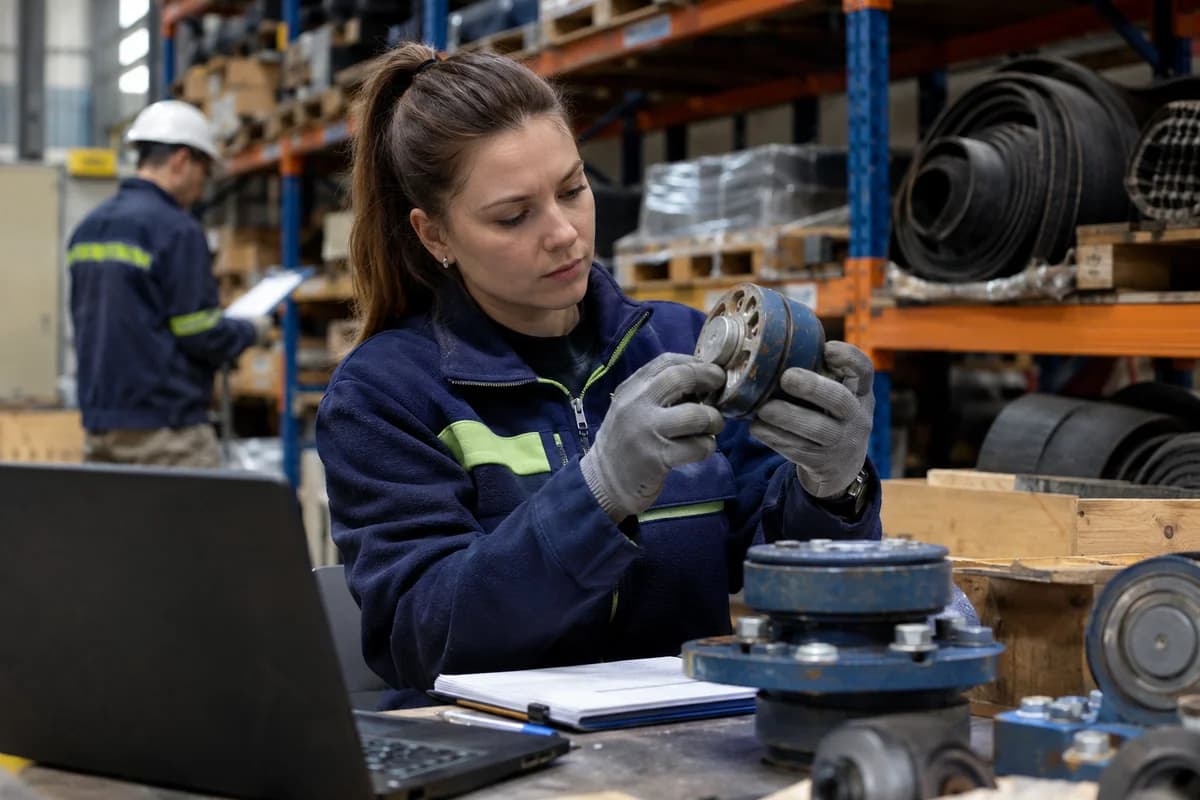
Mines shaped this region. Shafts, headframes and brick colonies sit between neighbouring towns, and equipment makers supply the pits, the steelworks and the power plants with pumps, belts and hoists. Maintenance schedules there are strict. A failed part can stop a whole line for days.
Newer trades sit on the old ground. A fair centre hosts exhibitions through the year, and offices in glass towers house support teams that answer customers in English, German and more. Our workday opens as the Silesian morning ends, which leaves time to talk through changes.
The districts, business parks and markets that matter in Katowice.
How Katowice businesses pick and use software.
Makers of conveyors, pumps and other mining equipment who sell spare parts and maintenance contracts.
Managers of support centres who staff shifts, track tickets and report to clients in other countries.
Organisers of exhibitions and concerts who coordinate stands, suppliers and staff.
Where Katowice businesses lose time and money.
Spares nobody can find
A mine calls for a belt section or pump part. Stock sits in two sheds and the catalogue is a binder. A parts record with location finds it in a minute.
Shift rosters on sheets
Support centres staff by language and hour. A sheet cannot see that two agents on leave leave a gap. A roster tied to leave notices shows it ahead.
Stands and suppliers on chat
Exhibition teams juggle builders, caterers and badges across scattered messages. A single event record keeps the orders and deadlines in one place.
What we would build for Katowice businesses.
Usually in this order, starting with whatever the audit ranks first.
Business Process Automation
Approvals, reminders and reports triggered by agreed rules, with exceptions assigned to a responsible person.
Learn moreERP, CRM and Business Software Implementation
One record of stock, orders, customers and accounts, set up so your team opens it every day.
Learn moreAPI and System Integration
Connections between existing tools, with record ownership, duplicate handling and reconciliation agreed for each flow.
Learn moreIoT and Edge Computing
Machine and sensor readings connected to office records, with buffering limits and recovery after a lost connection defined.
Learn moreReady products that fit Katowice businesses.
Each one is adapted to how your business works before it goes live, and anything your trade needs that it lacks is added then. You are not paying to build the basics again.
Mining Company Management Software
Shift output, haul log, equipment hours, maintenance, fuel and spares, weighbridge dispatch, contractors and invoices for mining and quarry operators.
Learn moreConveyor Belt Manufacturer Management Software
Belt specifications, fabric and cord lots, cover thickness, press sections, adhesion and tensile tests, splice kits and reels for conveyor belt makers.
Learn moreTechnical Support Centre Management Software
Fault tickets, entitlement checks, severity clocks, tier hand-offs, remote session logs, vendor escalations and fix articles for technical support centres.
Learn moreHow the work runs from Bengaluru for Katowice.
- 1
The audit, by call
A screen-share and a look at the sheets, accounting reports and WhatsApp groups your team uses. No travel needed.
- 2
A written proposal
Scope, what we build first and the cost, agreed in writing before anything starts.
- 3
Build in short rounds
Working screens shared every few weeks. Your team tests them from your own office.
- 4
Go-live, in person when it helps
For data migration and training we can come to Katowice. Travel is agreed in advance.
- 5
Support online
Fixes, changes and hosting handled remotely by the same team that built it.
The work we have published.
We don’t claim Katowice clients we don’t have. These are systems our team built; the way we work is the same wherever you are.
PetSeva: matching owners to the right vet, at any hour
A two-sided veterinary platform where vets are searchable by specialisation and bookable outside clinic hours. It now carries more than 2,000 veterinary doctors.
Read the case study Paying guest accommodationSAM Atithi Pavathi: bed-level occupancy as the source of truth
PG management software where allocation, rates and invoices are derived from bed-level occupancy and not maintained in parallel spreadsheets.
Read the case study School transport servicesSAM Tours: school transport on a single ledger
Registration, fee collection, routing and finance write to the same records, closing the gap between journeys run and fees collected.
Read the case study Microfinance and Self Help GroupsVikasa RDO: making SHG loan recovery auditable
Loan proposals, recoveries and commissions sit on one record, with a person attached to every state change, so a business handling a bank’s money can show where each rupee went.
Read the case studyMake the scope specific to your business.
Work through a real example from your operation and agree the handoffs, controls and support the project needs.
Spares nobody can find
Which observation would change the proposed scope?
For “Spares nobody can find”, observe someone completing the task with a representative example. Record where they stop, ask another person or re-enter information, then choose the smallest change whose result the team can verify.
Background reading: GOV.UK: researching user needs
Questions Katowice owners ask before they call.
Can you handle maintenance schedules for heavy equipment?
Yes. We can build service intervals, parts lists and reminders. Safety rules and sign-offs stay with your engineers.
Can support teams see tickets from clients abroad?
We can connect to the client’s ticket system where it offers an interface, and show the queue by shift. We agree the fields with you first.
What happens after I share my requirements?
We review your brief and clarify the work with you. We then look at the software, spreadsheets and WhatsApp groups your business runs on today and write down what works, what slows your team down and what is missing. A demo login, a screen-share or a few screenshots are enough. You get a short written summary ordered by priority, with no obligation to hire us afterwards.
How much will the software cost?
We don’t publish a price, because it depends on what the system has to do. That first review settles the scope, and the cost goes into a written proposal before any work starts.
Industries we build for in Katowice.
Tell us what your Katowice business runs on today.
Send a short note on the spreadsheets, software or WhatsApp groups your team depends on. We reply the same working day.
What happens after you share your requirements
- We review your brief and the systems you already use.
- We clarify the workflow, missing information and the work to consider first.
- The proposed scope sets out the deliverables, responsibilities and dependencies.
- Review the scope and commercial terms before deciding whether to proceed.
Start with your requirements
Describe your current process, the people involved and the change you need. Start with the details you know; we can clarify the rest together.
Share your requirements