Service Call Tickets for Plumbing Contractors
A service call is a short job. A tap leaks, a drain blocks or a flush tank fails, and one ticket follows the complaint from the call to the bill.
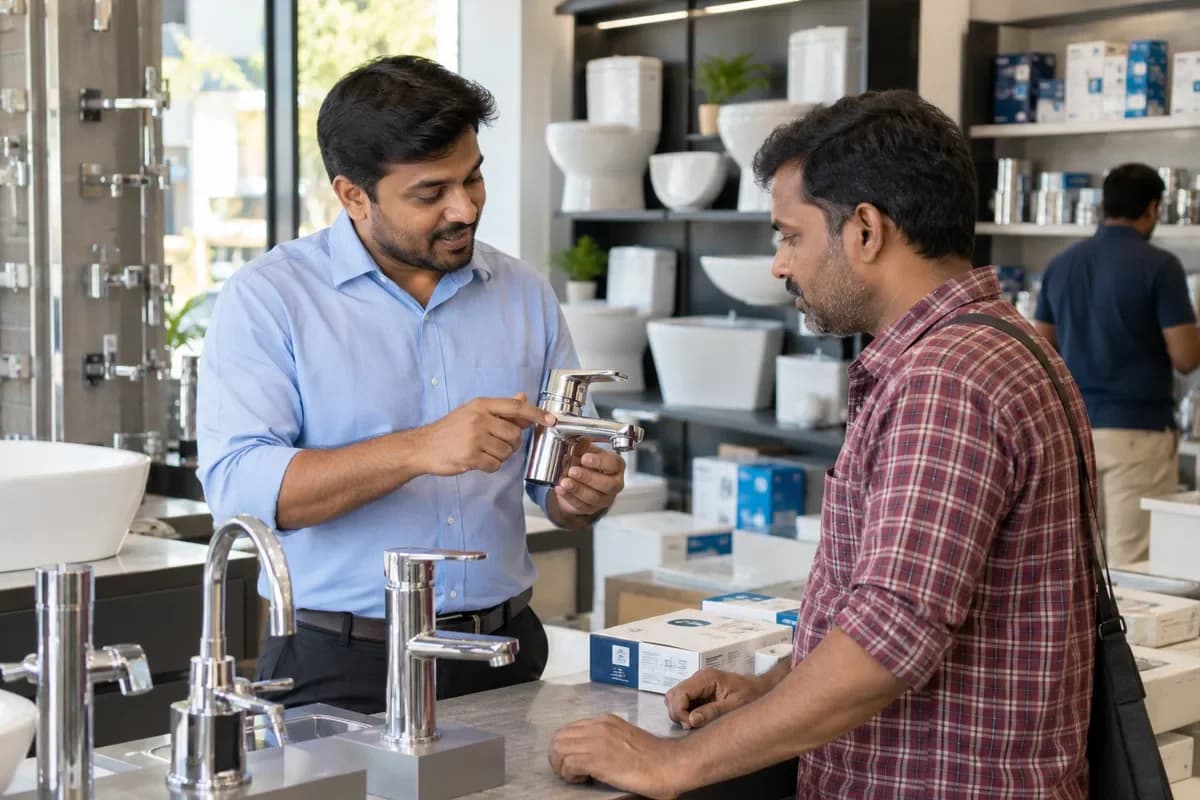
One ticket for each complaint
Calls reach the office from several channels. Each one becomes a ticket that cannot be lost.
Closing the call and billing it
A repair ticket closes with the work done and the parts used. Pricing comes from the rate list, with a visit charge if the firm uses one. Payment by cash or UPI is posted on the spot, while a client under a maintenance contract is billed according to that contract instead.
Repeat calls
Tickets stay with the client and the site address, so a tap fixed last month that leaks again shows up with its earlier visit. Is the same fitting failing again? That question is answered from the history, along with whether a return visit is a warranty matter or a new charge.
What the client decides
Visit charges, call-out areas and the warranty on repairs are the firm’s own terms. The software records what is agreed. Deciding who pays for a repeat visit stays with the owner.
What a good call record captures at the first phone call
Most delays begin in the first minute. The caller is upset, the address is half given and the office guesses the fault.
Parts, visit charges and billing the small call
A tap washer costs little. The visit costs more. Small calls lose money when parts and travel go unbilled.
- Parts used are added to the ticket on site.
- A visit charge can be fixed per call or by distance, as the firm decides.
- Cash collected by the plumber is entered at the door.
- A call paid on the spot is closed without an invoice backlog.
Questions to put to a dispatch vendor
Dispatch is where plumbing software is judged. Ask these.
- Can the office see which plumber is free and nearest?
- Does the plumber get the address on a phone map?
- Can a ticket be reopened if the fault returns?
- Are calls from a builder’s site kept apart from home calls?
A service call from phone to payment
A small plumbing call moves quickly, and the ticket has to keep pace. Across one day it passes from whoever answers the phone to the plumber, then back to the desk. Follow one ticket. It starts as a complaint and ends as a bill.
What the firm decides before calls are logged
Service tickets work well once a few choices are made. These rules shape what the desk types and what plumbers see. Settle them with everyone who handles calls.
Agree the evidence before signing off this part.
Use a representative scenario to decide what this part of the system must show and where review is still needed.
Parts, visit charges and billing the small call
Can you explain the balance from its original documents?
Select a partly settled example in “Parts, visit charges and billing the small call”. Ask for the invoice, allocated receipts and remaining balance to be shown together before agreeing the opening figures.
Background reading: ERPNext: outstanding invoices
Questions to put to a dispatch vendor
Can a partial delivery be distinguished from a completed order?
For “Questions to put to a dispatch vendor”, follow an example that leaves in more than one trip. Compare the quantity handed over with the quantity still owed before closing the order.
Background reading: ERPNext: delivery notes
Frequently asked questions
Can a plumber update a ticket from a phone?
Yes. The plumber marks arrival, enters the work done and the parts used, and closes the ticket, all from a phone.
What if two plumbers are needed?
The ticket can hold several plumber. Hours and wages are then split between them as the firm’s rules say.
Can clients see the status of their call?
Not as a client login. The office can send a status message by WhatsApp or SMS. Which messages go out is confirmed during scoping.
Are emergency calls handled differently?
They are marked urgent and shown first. How the firm covers night or holiday calls is a staffing matter for the firm.
Does a ticket link to the client’s earlier site job?
Yes. If the same building was plumbed by the firm, the earlier job is visible from the ticket.
What happens to a call that cannot be finished in one visit?
The ticket stays open with a note on what is pending, such as a part on order. A second visit is added and the history stays on one ticket.
Can the office see how long each call took?
Start and finish times are recorded by the plumber, so the office can see the time spent against the charge made.
How this feature fits the system.
Plumbing Contractor Management Software: the parts that work with this feature, the trades that use it and the ways to put it in place.
Enquiries and site visits
Each enquiry is logged with source and address, the site visit is scheduled, and measurements and photographs stay with the client record.
Lead ManagementQuotations and rate lists
Quotations are built item by item as a bill of quantities from the firm’s pipe, fitting and labour rates, with every revision and open quote kept.
Estimate/Quotation ManagementService calls and job tickets
A ticket is raised for each complaint, from a leaking tap to a blocked drain, then a plumber is dispatched and the repair billed.
Ticket ManagementTell us what you need.
Tell us what your team does today, where work gets stuck and what you want to change.
What happens after you share your requirements
- We review your brief and the systems you already use.
- We clarify the workflow, missing information and the work to consider first.
- The proposed scope sets out the deliverables, responsibilities and dependencies.
- Review the scope and commercial terms before deciding whether to proceed.
Start with your requirements
Describe your current process, the people involved and the change you need. Start with the details you know; we can clarify the rest together.
Share your requirements