Ghent · CountriesGhent’s university, festival trade, nurseries and canal-side cafes need bookings, stock and student records in order.
Ghent is a university city with a lively centre, a summer festival, a working port canal and a long horticultural tradition. Cafes, event firms, nurseries and research spin-offs share its calendar, and each of them feels the same few weeks of the year much harder than the rest. GullySystem, in Bengaluru, builds booking, stock and project software for these businesses and supports it remotely.
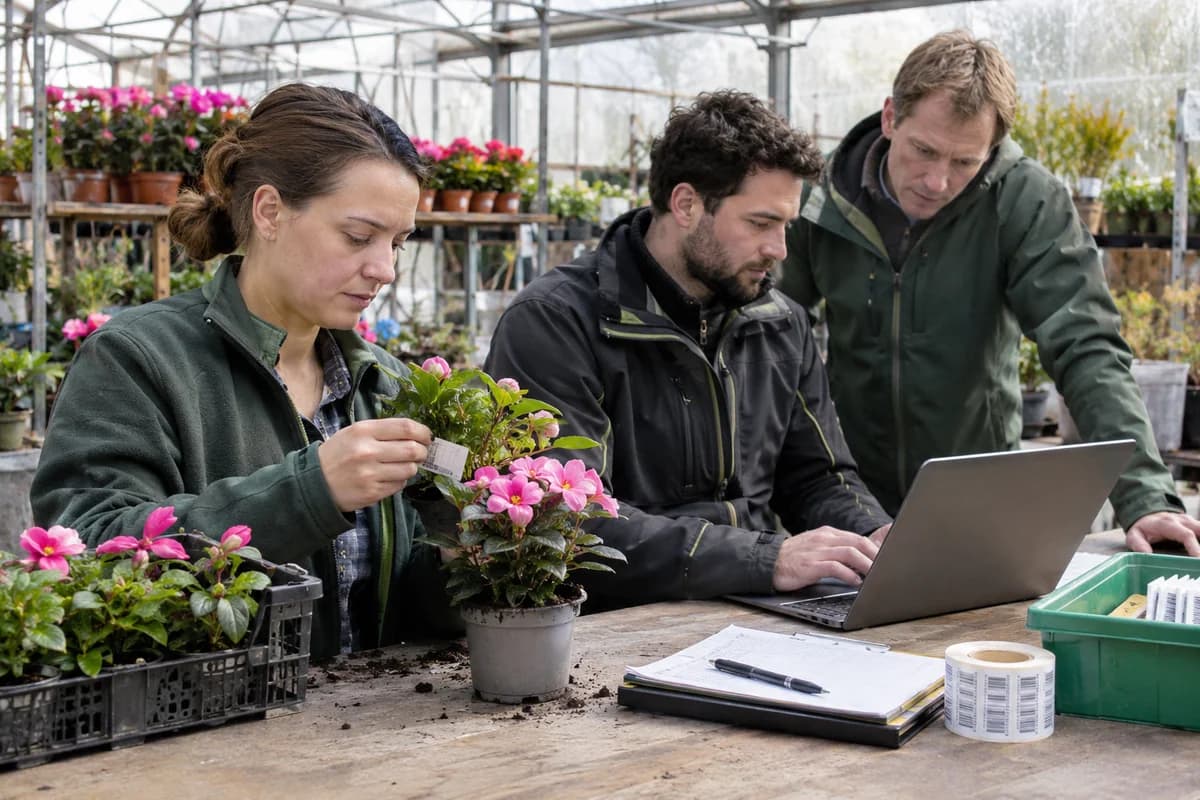
Students give the city its pulse. Term starts, cafes fill, and the rooms above them let by the month, while in July the festival takes over the old centre for ten days of music and crowds. Then it is quiet again, and trade follows term dates.
Because the working day in Bengaluru begins as a Belgian lunch ends, our team can answer in the afternoon. Permits stay with your adviser.
The districts, business parks and markets that matter in Ghent.
How Ghent businesses pick and use software.
Cafe, restaurant and guesthouse owners who manage tables, stock and student staff with spreadsheets, and who would rather spend the evening at the bar than at the laptop.
Event organisers and nurseries that need one calendar of orders, crews and deliveries.
Where Ghent businesses lose time and money.
Festival week breaks the rota
A cafe needs triple the staff for ten days and loses track of who is working where. A shared rota with swaps and hours counted keeps pay and cover correct from the first night to the last.
Plant stock sold twice
One batch of young plants is promised twice. Order and stock records tied to each growing batch show what is truly free.
Lab equipment and sample logs on paper
A spin-off shares a few instruments and freezers across several projects. A booking and sample register shows who used what and when, so the freezer is never double-booked and a missing sample can be traced back in minutes.
What we would build for Ghent businesses.
Usually in this order, starting with whatever the audit ranks first.
Web and Mobile Application Development
Web and mobile apps for customers, field staff and dealers, built to work on ordinary phones.
Learn moreMVP Product Development
A first working version of a new product, small enough to launch and learn from.
Learn moreE-Commerce and Digital Commerce
An online store or B2B order portal wired to your stock, billing and dispatch.
Learn moreIoT and Edge Computing
Machine and sensor readings connected to office records, with buffering limits and recovery after a lost connection defined.
Learn moreReady products that fit Ghent businesses.
Each one is adapted to how your business works before it goes live, and anything your trade needs that it lacks is added then. You are not paying to build the basics again.
Cafes and Coffee Shop Management Software
Counter billing, drink recipes, bean and milk stock, pastry waste, loyalty cards, shift cash-up and roaster orders for cafes and coffee shops.
Learn moreEvent and Wedding Management Software
Enquiries and site visits, head-count quotations, vendor bookings and advances, day schedules, staff deployment and settlements for event and wedding planners.
Learn moreFlower Farms and Nursery Management Software
Greenhouse bays, harvest grading, cold room, spray logs, propagation lots, buyer orders and dispatch for flower farms and plant nurseries.
Learn moreHow the work runs from Bengaluru for Ghent.
- 1
The audit, by call
A screen-share and a look at the sheets, accounting reports and WhatsApp groups your team uses. No travel needed.
- 2
A written proposal
Scope, what we build first and the cost, agreed in writing before anything starts.
- 3
Build in short rounds
Working screens shared every few weeks. Your team tests them from your own office.
- 4
Go-live, in person when it helps
For data migration and training we can come to Ghent. Travel is agreed in advance.
- 5
Support online
Fixes, changes and hosting handled remotely by the same team that built it.
The work we have published.
We don’t claim Ghent clients we don’t have. These are systems our team built; the way we work is the same wherever you are.
PetSeva: matching owners to the right vet, at any hour
A two-sided veterinary platform where vets are searchable by specialisation and bookable outside clinic hours. It now carries more than 2,000 veterinary doctors.
Read the case study Paying guest accommodationSAM Atithi Pavathi: bed-level occupancy as the source of truth
PG management software where allocation, rates and invoices are derived from bed-level occupancy and not maintained in parallel spreadsheets.
Read the case study School transport servicesSAM Tours: school transport on a single ledger
Registration, fee collection, routing and finance write to the same records, closing the gap between journeys run and fees collected.
Read the case study Microfinance and Self Help GroupsVikasa RDO: making SHG loan recovery auditable
Loan proposals, recoveries and commissions sit on one record, with a person attached to every state change, so a business handling a bank’s money can show where each rupee went.
Read the case studyMake the scope specific to your business.
Work through a real example from your operation and agree the handoffs, controls and support the project needs.
Plant stock sold twice
What happens to movements entered while a count is being checked?
For “Plant stock sold twice”, choose a count date and trace the movements around it. Agree who investigates a difference before an adjustment changes the available balance.
Background reading: ERPNext: stock reconciliation
Questions Ghent owners ask before they call.
Can a small cafe in Ghent use a rota and stock tool built remotely?
Yes. Staff swap shifts on their own handsets. We set it up together on a call. Adjustments follow the first busy weekend.
How do you handle Dutch-language screens for a Flemish team?
Labels and messages can be set in Dutch, with the wording checked by someone on your team, so the screens read like Flemish speech rather than a translation. Spellings can be changed later.
What happens after I share my requirements?
We review your brief and clarify the work with you. We then look at the software, spreadsheets and WhatsApp groups your business runs on today and write down what works, what slows your team down and what is missing. A demo login, a screen-share or a few screenshots are enough. You get a short written summary ordered by priority, with no obligation to hire us afterwards.
How much will the software cost?
We don’t publish a price, because it depends on what the system has to do. That first review settles the scope, and the cost goes into a written proposal before any work starts.
Industries we build for in Ghent.
Tell us what your Ghent business runs on today.
Send a short note on the spreadsheets, software or WhatsApp groups your team depends on. We reply the same working day.
What happens after you share your requirements
- We review your brief and the systems you already use.
- We clarify the workflow, missing information and the work to consider first.
- The proposed scope sets out the deliverables, responsibilities and dependencies.
- Review the scope and commercial terms before deciding whether to proceed.
Start with your requirements
Describe your current process, the people involved and the change you need. Start with the details you know; we can clarify the rest together.
Share your requirements