Guatemala City · CountriesGuatemala City’s offices, markets and call centres get software written remotely from Bengaluru.
Guatemala City is the capital and home to banks, ministries, distributors and call centres. Its districts are numbered as zones, and Zone 10 and Zone 4 hold offices and hotels. Wholesale markets feed shops across the country. Invoices are in Spanish with the IVA and are issued electronically under the SAT’s FEL regime. GullySystem has no local office; the work is remote, from Bengaluru.
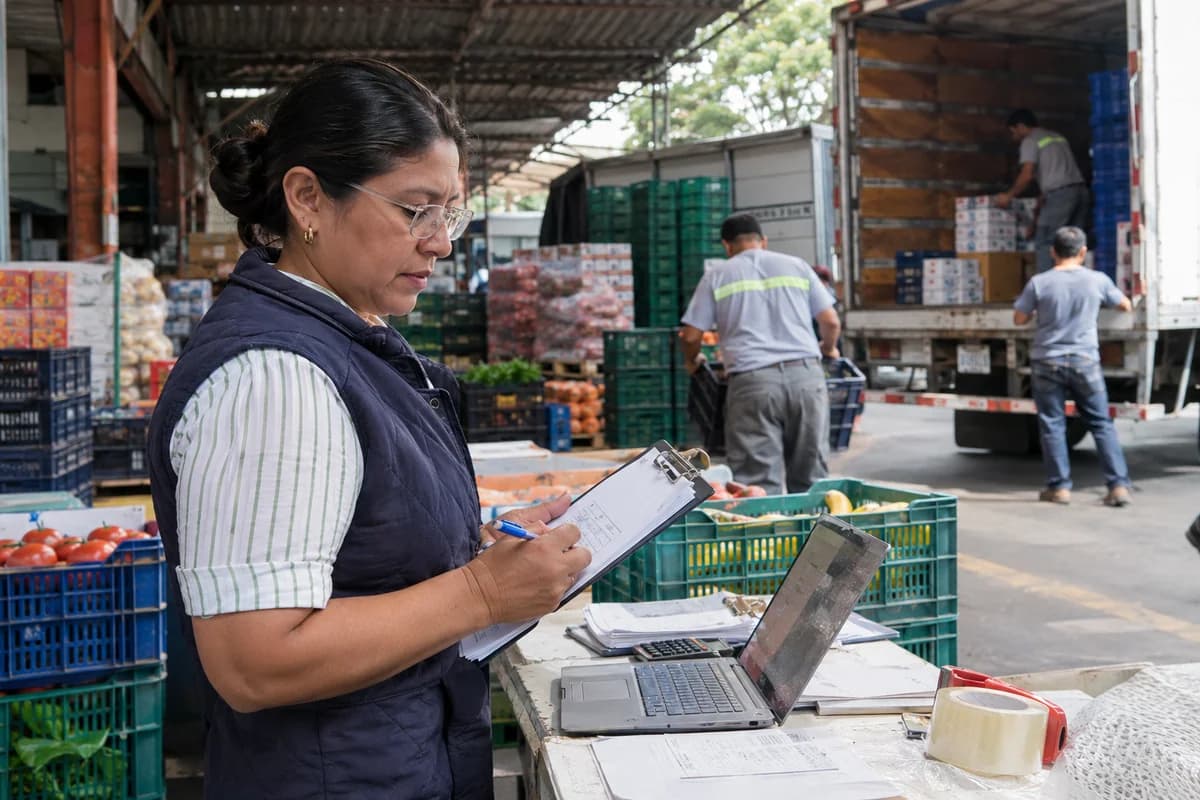
The capital sits in a highland valley, and almost every trade in the country passes through it. Importers store goods here and sell on to towns far away. Trucks leave daily. Offices in Zone 10 handle banking, insurance and hotels, and call centres answer customers abroad in English and Spanish. A wholesaler may bill a hundred shops in a morning. Credit terms, stock levels and electronic invoices must all agree by closing time. They seldom do.
Our desks are in Nagarbhavi, Bengaluru. We have nobody in Guatemala and hold no licence there. Your working morning meets our evening, so reviews fit that window and tickets cover the hours between.
The districts, business parks and markets that matter in Guatemala City.
How Guatemala City businesses pick and use software.
Distributors and wholesalers supplying shops outside the capital
Call centres and service firms running shifts for clients abroad
Freight forwarders and customs brokers around the airport
Where Guatemala City businesses lose time and money.
Credit to hundreds of shops
Wholesalers sell on short credit to small buyers, and without a clear ledger the overdue accounts are found only when stock runs short and the owner starts calling around. Cash is tight.
Electronic invoices at volume
Every sale needs a certified electronic document. Slow certification at the counter holds up queues. A wrong tax number means a document to cancel and reissue.
Shift rosters for night calls
Night shifts are normal. Call centres serving North America staff late hours. Swaps, leave and overtime change daily, and payroll must match the clock.
Customs paper at the airport
Forwarders chase invoices, packing lists and release notes across inboxes and chat groups, and a single missing page can stall a shipment for a full working day. Small gaps cost days.
What we would build for Guatemala City businesses.
Usually in this order, starting with whatever the audit ranks first.
ERP, CRM and Business Software Implementation
One record of stock, orders, customers and accounts, set up so your team opens it every day.
Learn moreGlobal Compliance and Localisation
Software has to change for each country. Currency tables, VAT and sales tax codes, invoice layouts, translation files, storage regions and consent records are built as configuration that your team can edit without code changes. The legal question stays with your adviser.
Learn moreAPI and System Integration
Connections between existing tools, with record ownership, duplicate handling and reconciliation agreed for each flow.
Learn moreData Migration and Moving Off Spreadsheets
Data migration and spreadsheet replacement covers auditing existing files, cleaning and deduplicating records, loading them into a new system and reconciling the loaded result against known totals. Both systems then run side by side before cutover. Originals stay untouched.
Learn moreReady products that fit Guatemala City businesses.
Each one is adapted to how your business works before it goes live, and anything your trade needs that it lacks is added then. You are not paying to build the basics again.
Customer Support Centre Management Software
Queues, tickets, skill routing, rosters, service targets, quality scoring, escalations, coaching plans, callbacks and client reports for customer support centres and multi-client helpdesks.
Learn moreFreight Forwarder Management Software
Rate sheets, quotations, job files, house bill drafts, milestones, buying and selling charges, vendor bills and agent statements for freight forwarders.
Learn moreWholesale and B2B Ordering Software
A dealer login with its own rates and schemes, live stock, credit checks, picking and dispatch, part loads, returns and repeat orders.
Learn moreHow the work runs from Bengaluru for Guatemala City.
- 1
The audit, by call
A screen-share and a look at the sheets, accounting reports and WhatsApp groups your team uses. No travel needed.
- 2
A written proposal
Scope, what we build first and the cost, agreed in writing before anything starts.
- 3
Build in short rounds
Working screens shared every few weeks. Your team tests them from your own office.
- 4
Go-live, in person when it helps
For data migration and training we can come to Guatemala City. Travel is agreed in advance.
- 5
Support online
Fixes, changes and hosting handled remotely by the same team that built it.
The work we have published.
We don’t claim Guatemala City clients we don’t have. These are systems our team built; the way we work is the same wherever you are.
PetSeva: matching owners to the right vet, at any hour
A two-sided veterinary platform where vets are searchable by specialisation and bookable outside clinic hours. It now carries more than 2,000 veterinary doctors.
Read the case study Paying guest accommodationSAM Atithi Pavathi: bed-level occupancy as the source of truth
PG management software where allocation, rates and invoices are derived from bed-level occupancy and not maintained in parallel spreadsheets.
Read the case study School transport servicesSAM Tours: school transport on a single ledger
Registration, fee collection, routing and finance write to the same records, closing the gap between journeys run and fees collected.
Read the case study Microfinance and Self Help GroupsVikasa RDO: making SHG loan recovery auditable
Loan proposals, recoveries and commissions sit on one record, with a person attached to every state change, so a business handling a bank’s money can show where each rupee went.
Read the case studyMake the scope specific to your business.
Work through a real example from your operation and agree the handoffs, controls and support the project needs.
Electronic invoices at volume
Can you explain the balance from its original documents?
Select a partly settled example in “Electronic invoices at volume”. Ask for the invoice, allocated receipts and remaining balance to be shown together before agreeing the opening figures.
Background reading: ERPNext: outstanding invoices
Questions Guatemala City owners ask before they call.
Can the system issue FEL documents at the counter?
Invoice screens connect with the certifier you choose, as your accountant advises. The certifier’s own terms and fees are agreed between you and them.
Can staff on night shifts use the same system?
Yes. Rosters, attendance and approvals work around the clock, with permissions for each role. Calls with our team still fall in your morning.
What happens after I share my requirements?
We review your brief and clarify the work with you. We then look at the software, spreadsheets and WhatsApp groups your business runs on today and write down what works, what slows your team down and what is missing. A demo login, a screen-share or a few screenshots are enough. You get a short written summary ordered by priority, with no obligation to hire us afterwards.
How much will the software cost?
We don’t publish a price, because it depends on what the system has to do. That first review settles the scope, and the cost goes into a written proposal before any work starts.
Industries we build for in Guatemala City.
Elsewhere in Guatemala.
Tell us what your Guatemala City business runs on today.
Send a short note on the spreadsheets, software or WhatsApp groups your team depends on. We reply the same working day.
What happens after you share your requirements
- We review your brief and the systems you already use.
- We clarify the workflow, missing information and the work to consider first.
- The proposed scope sets out the deliverables, responsibilities and dependencies.
- Review the scope and commercial terms before deciding whether to proceed.
Start with your requirements
Describe your current process, the people involved and the change you need. Start with the details you know; we can clarify the rest together.
Share your requirements