Bursa · CountriesBursa builds vehicles and parts, weaves textiles and makes furniture in towns around its old silk market.
Bursa is Turkey’s car-making city, with assemblers and a long chain of parts suppliers in its industrial zones. Looms and finishing plants make fabric and home textiles, and nearby İnegöl makes furniture. The old silk market still trades. GullySystem in Bengaluru writes batch, production and order software for such firms.
Parts suppliers here deliver to assembly lines on tight schedules. A late batch stops a line. A bad one triggers a recall, so every part needs a lot number, an inspection record and a clear link to the vehicle order it served.
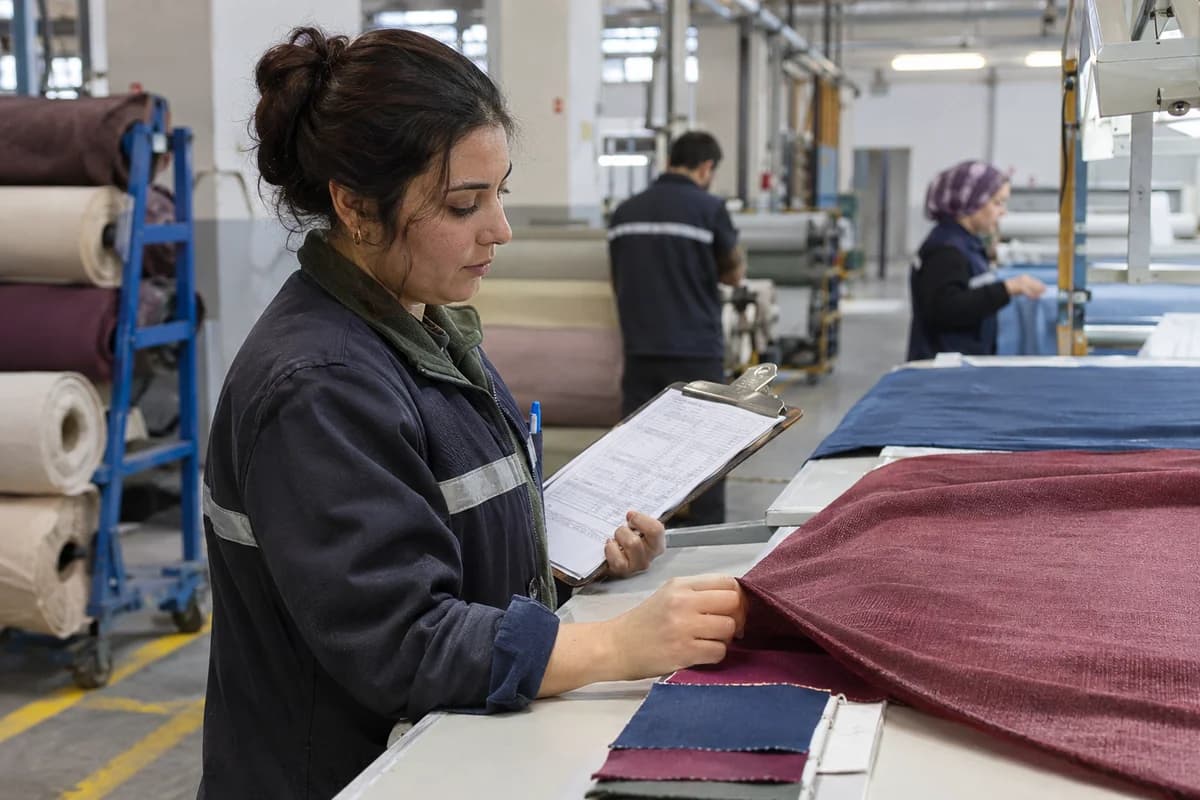
Textile plants and furniture makers add a second industry. Looms, dye houses and finishing shops work for brands at home and abroad. Bursa runs a little behind Bengaluru on the clock, so morning calls reach a factory floor that is already busy.
The districts, business parks and markets that matter in Bursa.
How Bursa businesses pick and use software.
Quality managers at parts suppliers who must link each lot to its inspection results and the vehicle order it served.
Furniture workshop owners in İnegöl who need to promise delivery dates for custom sets to shops across the country.
Where Bursa businesses lose time and money.
No recall can be scoped by lot
Inspection sheets sit in folders apart from delivery notes. Linking every lot to its sheet and its customer order lets a recall be scoped in an afternoon instead of a week, and shows the buyer which vehicles carry the affected parts.
Dye batches differ from the sample
Colour drifts between runs. Recording recipe, temperature and result for every batch makes it possible to repeat the shade a buyer approved.
Furniture orders are promised without checking stock
Sales promise a date, and the workshop finds the fabric short. Showing stock and open orders to the sales desk avoids promises that cannot be kept.
What we would build for Bursa businesses.
Usually in this order, starting with whatever the audit ranks first.
IoT and Edge Computing
Machine and sensor readings connected to office records, with buffering limits and recovery after a lost connection defined.
Learn moreBusiness Process Automation
Approvals, reminders and reports triggered by agreed rules, with exceptions assigned to a responsible person.
Learn moreQA and Software Testing
Testing on the phones, browsers and patchy networks your customers and staff actually use.
Learn moreReady products that fit Bursa businesses.
Each one is adapted to how your business works before it goes live, and anything your trade needs that it lacks is added then. You are not paying to build the basics again.
Auto Parts Manufacturer Management Software
PPAP files, release-driven planning, lot trace, control plan inspection, plating and heat treatment returns, returnable crates, VDA labels and 8D replies for auto parts makers.
Learn moreTextile Processor Management Software
Grey lots, process routes, dye recipes, machine batches, shrinkage and loss, rework, chemicals and process billing for textile processing houses.
Learn moreHow the work runs from Bengaluru for Bursa.
- 1
The audit, by call
A screen-share and a look at the sheets, accounting reports and WhatsApp groups your team uses. No travel needed.
- 2
A written proposal
Scope, what we build first and the cost, agreed in writing before anything starts.
- 3
Build in short rounds
Working screens shared every few weeks. Your team tests them from your own office.
- 4
Go-live, in person when it helps
For data migration and training we can come to Bursa. Travel is agreed in advance.
- 5
Support online
Fixes, changes and hosting handled remotely by the same team that built it.
The work we have published.
We don’t claim Bursa clients we don’t have. These are systems our team built; the way we work is the same wherever you are.
PetSeva: matching owners to the right vet, at any hour
A two-sided veterinary platform where vets are searchable by specialisation and bookable outside clinic hours. It now carries more than 2,000 veterinary doctors.
Read the case study Paying guest accommodationSAM Atithi Pavathi: bed-level occupancy as the source of truth
PG management software where allocation, rates and invoices are derived from bed-level occupancy and not maintained in parallel spreadsheets.
Read the case study School transport servicesSAM Tours: school transport on a single ledger
Registration, fee collection, routing and finance write to the same records, closing the gap between journeys run and fees collected.
Read the case study Microfinance and Self Help GroupsVikasa RDO: making SHG loan recovery auditable
Loan proposals, recoveries and commissions sit on one record, with a person attached to every state change, so a business handling a bank’s money can show where each rupee went.
Read the case studyMake the scope specific to your business.
Work through a real example from your operation and agree the handoffs, controls and support the project needs.
Furniture orders are promised without checking stock
What happens to movements entered while a count is being checked?
For “Furniture orders are promised without checking stock”, choose a count date and trace the movements around it. Agree who investigates a difference before an adjustment changes the available balance.
Background reading: ERPNext: stock reconciliation
Questions Bursa owners ask before they call.
Can the software follow a lot through a parts supplier’s plant?
Yes. A lot is scanned at each stage and its inspection results are stored with it. A search on any lot number shows its path and the order it served.
We run machines from different makers. Can data come from them?
Often, yes. Counters and sensors can send readings straight in, and for older machines a simple input at the station works, so a mixed fleet of old and new machines still gives one picture. Each machine is checked before we promise a link.
What happens after I share my requirements?
We review your brief and clarify the work with you. We then look at the software, spreadsheets and WhatsApp groups your business runs on today and write down what works, what slows your team down and what is missing. A demo login, a screen-share or a few screenshots are enough. You get a short written summary ordered by priority, with no obligation to hire us afterwards.
How much will the software cost?
We don’t publish a price, because it depends on what the system has to do. That first review settles the scope, and the cost goes into a written proposal before any work starts.
Industries we build for in Bursa.
Tell us what your Bursa business runs on today.
Send a short note on the spreadsheets, software or WhatsApp groups your team depends on. We reply the same working day.
What happens after you share your requirements
- We review your brief and the systems you already use.
- We clarify the workflow, missing information and the work to consider first.
- The proposed scope sets out the deliverables, responsibilities and dependencies.
- Review the scope and commercial terms before deciding whether to proceed.
Start with your requirements
Describe your current process, the people involved and the change you need. Start with the details you know; we can clarify the rest together.
Share your requirements