Cambridge · CountriesCambridge turns university research into biotech, chip design and software firms, beside a busy tourist trade.
Cambridge is a university city in eastern England. Colleges fill the centre and draw visitors for punting and chapel tours. Around the edge, science parks house firms in biotech, chip design, medical devices and software. A large hospital and research campus sit to the south.
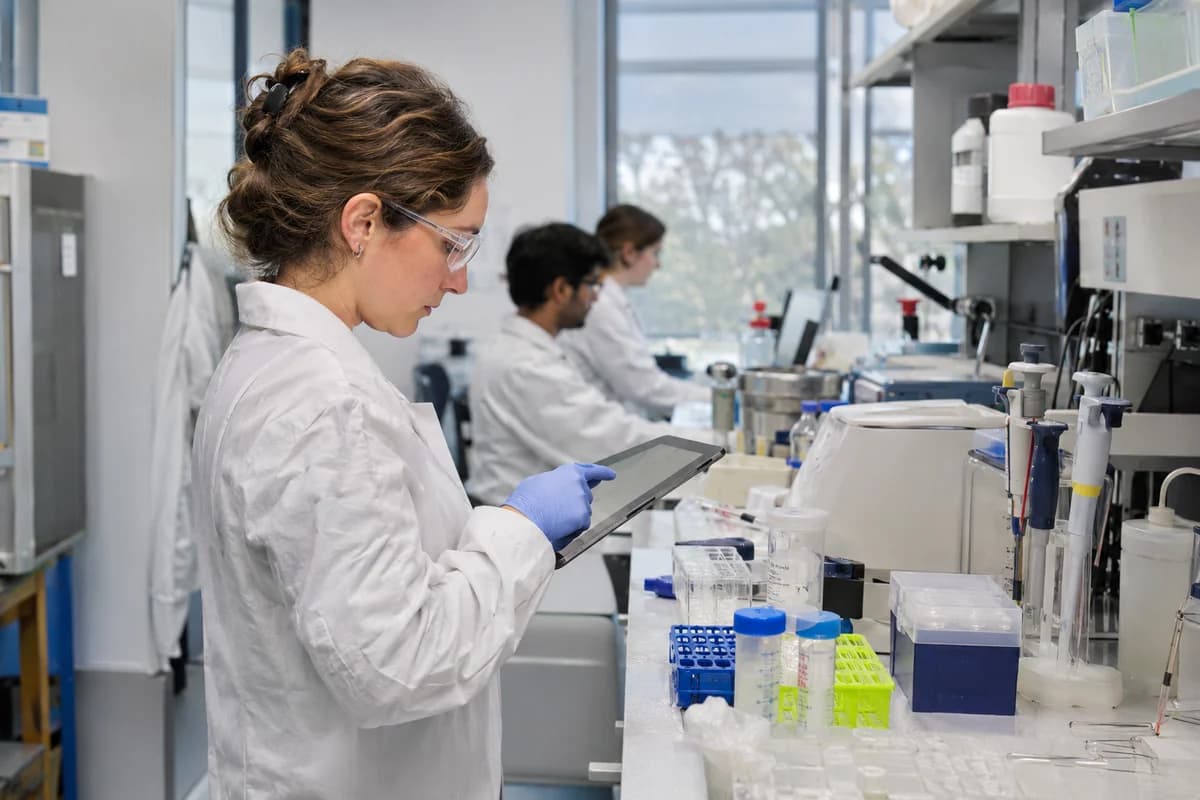
Research feeds the economy. Spin-out firms grow from lab benches into small companies with a few staff, a patent and a handful of customers. Spin-outs sell abroad from the start and invoice in dollars and euros. Admin is thin. Founders do much of it themselves.
Tourists fill the old centre. Colleges, punt hire, cafes and guesthouses see a steady stream of visitors through the year, and the busiest weeks fall in summer. Cambridge trails Bengaluru by some hours, so working mornings overlap with our afternoon.
The districts, business parks and markets that matter in Cambridge.
How Cambridge businesses pick and use software.
Founders of research spin-outs who need customer records, invoices and grant reporting without a large admin team.
Medical device and diagnostic makers who track components and batches for each unit.
Where Cambridge businesses lose time and money.
Grant reports from scattered notes
A project funded by a grant needs reports on hours and spend for the funder each quarter, but notes sit in inboxes, notebooks and three shared folders. A time and cost record per project gives the report directly.
Device batches without lineage
A device maker must know which batch of parts went into a unit. A traceability record linking parts to units answers a recall question quickly.
Subscription billing by hand
A software spin-out bills customers monthly in several currencies. A billing record automates reminders and renewals.
What we would build for Cambridge businesses.
Usually in this order, starting with whatever the audit ranks first.
SaaS Product Development
Turning a system that works for one business into a product other businesses can subscribe to.
Learn moreMVP Product Development
A first working version of a new product, small enough to launch and learn from.
Learn moreAPI and System Integration
Connections between existing tools, with record ownership, duplicate handling and reconciliation agreed for each flow.
Learn moreQA and Software Testing
Testing on the phones, browsers and patchy networks your customers and staff actually use.
Learn moreReady products that fit Cambridge businesses.
Each one is adapted to how your business works before it goes live, and anything your trade needs that it lacks is added then. You are not paying to build the basics again.
Embedded Systems Company Management Software
Quotes from statements of work, change requests, schematic and firmware revisions, prototype serials, bench defects, engineer time and milestone invoices for embedded design companies.
Learn moreMedical Device Manufacturer Management Software
Bills of materials, production orders, lot and serial records, inspections, supplier approvals, complaints and shipments for medical device manufacturers.
Learn moreSaaS Company Management Software
Subscriber accounts, plans and add-ons, trials, invoices, failed payments, renewals, churn reasons, support tickets and recurring revenue for SaaS companies.
Learn moreHow the work runs from Bengaluru for Cambridge.
- 1
The audit, by call
A screen-share and a look at the sheets, accounting reports and WhatsApp groups your team uses. No travel needed.
- 2
A written proposal
Scope, what we build first and the cost, agreed in writing before anything starts.
- 3
Build in short rounds
Working screens shared every few weeks. Your team tests them from your own office.
- 4
Go-live, in person when it helps
For data migration and training we can come to Cambridge. Travel is agreed in advance.
- 5
Support online
Fixes, changes and hosting handled remotely by the same team that built it.
The work we have published.
We don’t claim Cambridge clients we don’t have. These are systems our team built; the way we work is the same wherever you are.
PetSeva: matching owners to the right vet, at any hour
A two-sided veterinary platform where vets are searchable by specialisation and bookable outside clinic hours. It now carries more than 2,000 veterinary doctors.
Read the case study Paying guest accommodationSAM Atithi Pavathi: bed-level occupancy as the source of truth
PG management software where allocation, rates and invoices are derived from bed-level occupancy and not maintained in parallel spreadsheets.
Read the case study School transport servicesSAM Tours: school transport on a single ledger
Registration, fee collection, routing and finance write to the same records, closing the gap between journeys run and fees collected.
Read the case study Microfinance and Self Help GroupsVikasa RDO: making SHG loan recovery auditable
Loan proposals, recoveries and commissions sit on one record, with a person attached to every state change, so a business handling a bank’s money can show where each rupee went.
Read the case studyMake the scope specific to your business.
Work through a real example from your operation and agree the handoffs, controls and support the project needs.
Grant reports from scattered notes
What does one row mean before totals are combined?
Choose one period in “Grant reports from scattered notes” and compare it with the source records. Define the date basis and grouping before accepting a total that combines several kinds of entry.
Background reading: Microsoft: reporting grain and relationships
Subscription billing by hand
What happens to existing dues when the next renewal is stopped?
For “Subscription billing by hand”, test a cancellation near the renewal date. Agree the last service period and how any existing balance is handled before recurring work starts.
Background reading: ERPNext: recurring billing
Questions Cambridge owners ask before they call.
Can you build traceability for device components?
We can record parts, batches and units and print a report. Regulatory duties stay with your quality team.
Can you help a small team build a first product?
Yes. We scope a first version, build it in steps and show progress each week. You own the code and decisions.
What happens after I share my requirements?
We review your brief and clarify the work with you. We then look at the software, spreadsheets and WhatsApp groups your business runs on today and write down what works, what slows your team down and what is missing. A demo login, a screen-share or a few screenshots are enough. You get a short written summary ordered by priority, with no obligation to hire us afterwards.
How much will the software cost?
We don’t publish a price, because it depends on what the system has to do. That first review settles the scope, and the cost goes into a written proposal before any work starts.
Industries we build for in Cambridge.
Tell us what your Cambridge business runs on today.
Send a short note on the spreadsheets, software or WhatsApp groups your team depends on. We reply the same working day.
What happens after you share your requirements
- We review your brief and the systems you already use.
- We clarify the workflow, missing information and the work to consider first.
- The proposed scope sets out the deliverables, responsibilities and dependencies.
- Review the scope and commercial terms before deciding whether to proceed.
Start with your requirements
Describe your current process, the people involved and the change you need. Start with the details you know; we can clarify the rest together.
Share your requirements