Glasgow · CountriesGlasgow’s river, music halls and Southside shops need booking and stock records that keep up.
Glasgow built ships on the Clyde and still builds, repairs and supplies for the engineering trades around it. Today the Merchant City and Finnieston hold restaurants, bars and studios, the SEC hosts conferences, and the Barras draws traders at weekends. Two universities and several hospitals sit here.
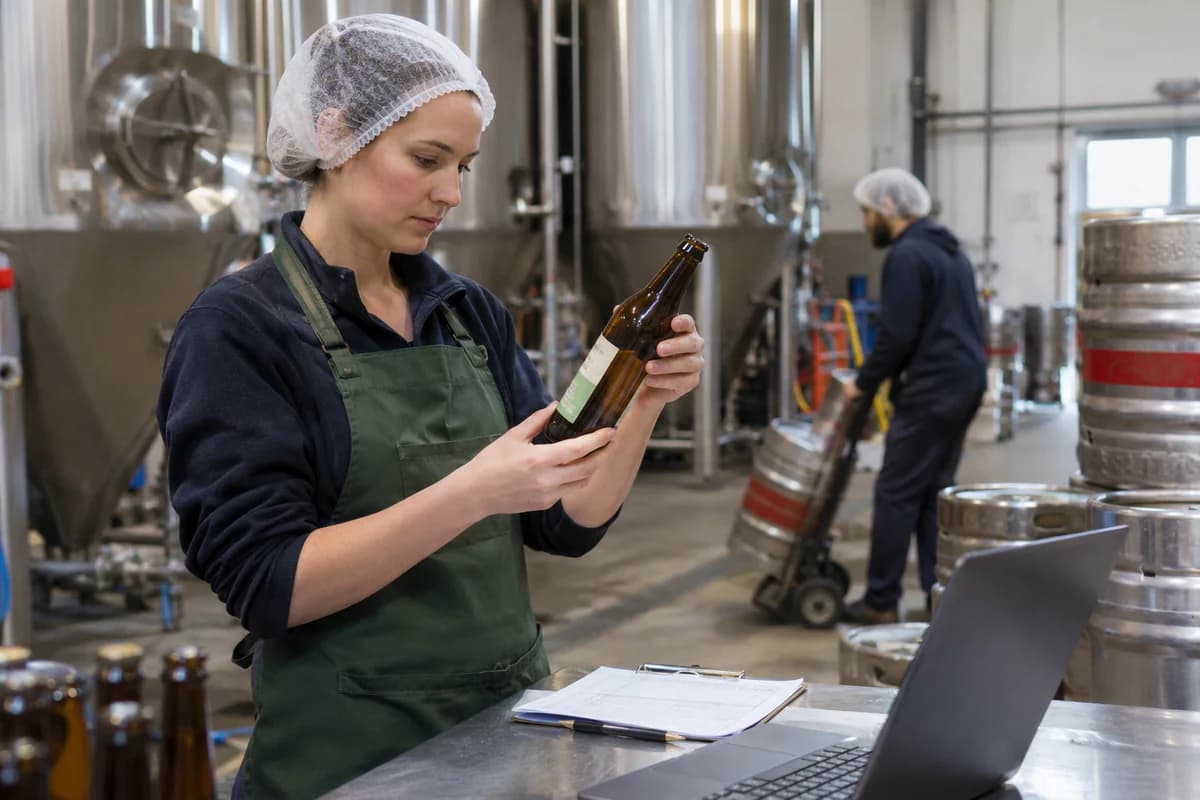
The Clyde is quieter than it was, but the engineering skills stayed, and small firms in and around Glasgow weld, machine, fit and repair for ports, utilities and the energy trades. Orders here are made to drawings. Their customers are exacting.
The city’s other face is music and food. Venues, recording rooms, bars and restaurants stay open late, and they rely on a handful of staff who do several jobs each.
The districts, business parks and markets that matter in Glasgow.
How Glasgow businesses pick and use software.
Owners of bars, venues and small breweries who run busy weekend trade with rotas that change by the hour.
Fabricators and marine engineers who work from drawings and must show test and inspection records on handover.
Where Glasgow businesses lose time and money.
A gig night empties the stockroom
Kegs, glasses and staff are planned by memory. Event bookings tied to stock and rota let the manager order before the week, not during it.
Inspection papers are signed but not filed
A weld is tested, a certificate is signed, and the page is mislaid before handover. Records stay with the job.
Market traders lose track of what they paid
Items bought in lots from house clearances are sold singly. Recording the lot cost and spreading it across items shows which sales earned money.
What we would build for Glasgow businesses.
Usually in this order, starting with whatever the audit ranks first.
Custom Software and Product Engineering
Software built around how your business actually runs, when nothing off the shelf fits without workarounds.
Learn moreIoT and Edge Computing
Machine and sensor readings connected to office records, with buffering limits and recovery after a lost connection defined.
Learn moreBusiness Process Automation
Approvals, reminders and reports triggered by agreed rules, with exceptions assigned to a responsible person.
Learn moreWeb and Mobile Application Development
Web and mobile apps for customers, field staff and dealers, built to work on ordinary phones.
Learn moreReady products that fit Glasgow businesses.
Each one is adapted to how your business works before it goes live, and anything your trade needs that it lacks is added then. You are not paying to build the basics again.
Brewery Management Software
Recipes, tank schedules, batch records, ingredient stock, packaging runs, keg tracking, taproom sales and trade orders for breweries.
Learn moreRecording Studio Management Software
Room bookings with deposits, engineer rosters, session sheets, revision rounds, gear hire, packages and invoices for recording studios.
Learn moreSheet Metal Fabricator Management Software
Quotes from flat patterns, sheet and remnant stock, work centre routing, bend programmes, coating, assembly and packing lists for sheet metal fabricators.
Learn moreHow the work runs from Bengaluru for Glasgow.
- 1
The audit, by call
A screen-share and a look at the sheets, accounting reports and WhatsApp groups your team uses. No travel needed.
- 2
A written proposal
Scope, what we build first and the cost, agreed in writing before anything starts.
- 3
Build in short rounds
Working screens shared every few weeks. Your team tests them from your own office.
- 4
Go-live, in person when it helps
For data migration and training we can come to Glasgow. Travel is agreed in advance.
- 5
Support online
Fixes, changes and hosting handled remotely by the same team that built it.
The work we have published.
We don’t claim Glasgow clients we don’t have. These are systems our team built; the way we work is the same wherever you are.
PetSeva: matching owners to the right vet, at any hour
A two-sided veterinary platform where vets are searchable by specialisation and bookable outside clinic hours. It now carries more than 2,000 veterinary doctors.
Read the case study Paying guest accommodationSAM Atithi Pavathi: bed-level occupancy as the source of truth
PG management software where allocation, rates and invoices are derived from bed-level occupancy and not maintained in parallel spreadsheets.
Read the case study School transport servicesSAM Tours: school transport on a single ledger
Registration, fee collection, routing and finance write to the same records, closing the gap between journeys run and fees collected.
Read the case study Microfinance and Self Help GroupsVikasa RDO: making SHG loan recovery auditable
Loan proposals, recoveries and commissions sit on one record, with a person attached to every state change, so a business handling a bank’s money can show where each rupee went.
Read the case studyMake the scope specific to your business.
Work through a real example from your operation and agree the handoffs, controls and support the project needs.
Inspection papers are signed but not filed
Who decides whether a failed result blocks the next step?
For “Inspection papers are signed but not filed”, bring an accepted result and a failed one. Agree who can authorise an exception and what evidence must accompany that decision.
Background reading: ERPNext: inspection criteria
Questions Glasgow owners ask before they call.
Can a venue plan staff and stock around event nights?
Yes. Bookings and ticket numbers drive a suggested rota and a stock order, which the manager adjusts before it is sent.
Does it work for a market trader who sells for cash?
It does. A trader keys each sale in at the stall, and a lot bought from a house clearance is costed across its items so that profit per sale is visible afterwards.
What happens after I share my requirements?
We review your brief and clarify the work with you. We then look at the software, spreadsheets and WhatsApp groups your business runs on today and write down what works, what slows your team down and what is missing. A demo login, a screen-share or a few screenshots are enough. You get a short written summary ordered by priority, with no obligation to hire us afterwards.
How much will the software cost?
We don’t publish a price, because it depends on what the system has to do. That first review settles the scope, and the cost goes into a written proposal before any work starts.
Industries we build for in Glasgow.
Tell us what your Glasgow business runs on today.
Send a short note on the spreadsheets, software or WhatsApp groups your team depends on. We reply the same working day.
What happens after you share your requirements
- We review your brief and the systems you already use.
- We clarify the workflow, missing information and the work to consider first.
- The proposed scope sets out the deliverables, responsibilities and dependencies.
- Review the scope and commercial terms before deciding whether to proceed.
Start with your requirements
Describe your current process, the people involved and the change you need. Start with the details you know; we can clarify the rest together.
Share your requirements