Customer Records and Offers for Clothing Stores
A regular buyer returns for the next festival and the next wedding. What they bought, the sizes that fitted and the occasions they shop for are kept against one mobile number.
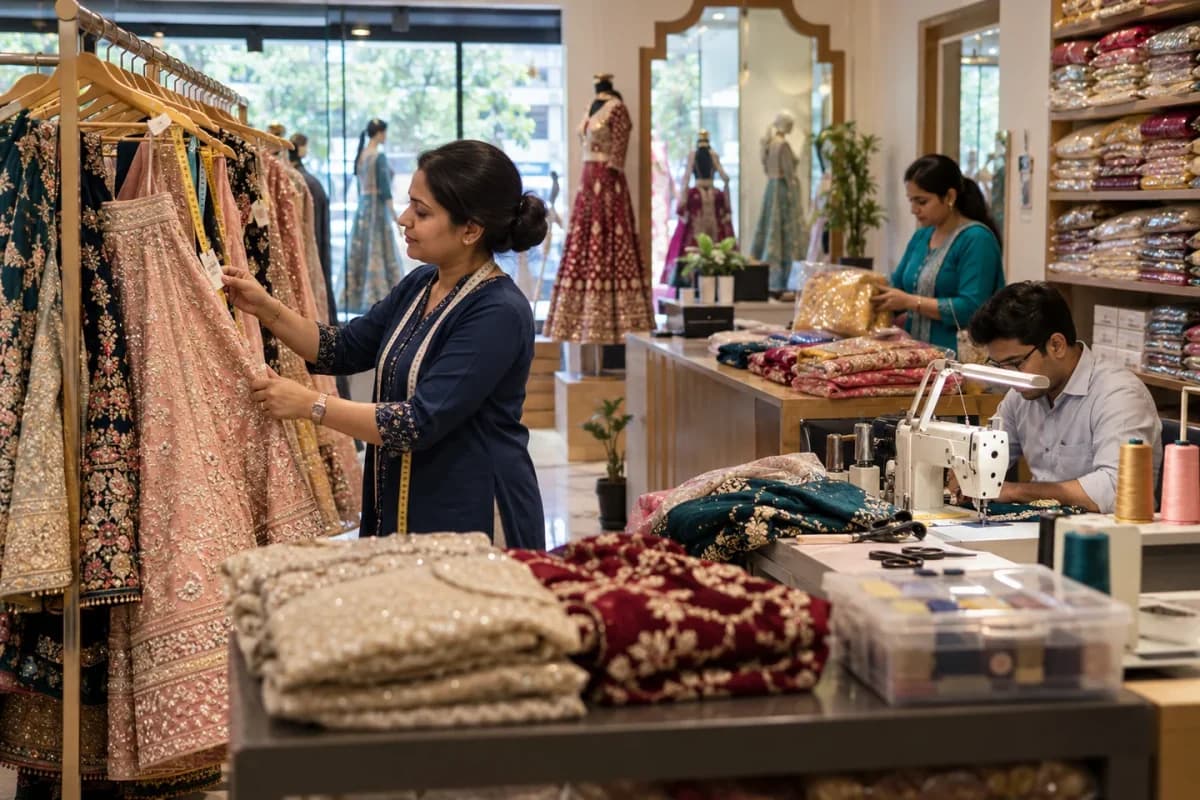
What the customer record holds
Sending a message
Messages go out to groups the shop builds from its own records, never to a bought list. New arrivals in a product group, a festive offer, a sale opening or a reminder that an altered piece is waiting all use the mobile number already on the bill. Consent and opt-out handling are part of the set up. Lists stay with the shop.
Consent, plainly
India’s data protection law asks for consent that is free, specific, informed and given by a clear act. Commentators advise taking WhatsApp consent apart from SMS and email, and keeping offers apart from bill copies. Whether and when the law applies to your shop is a question for your advisor.
- Ask at the counter, in words the customer follows, before any offer is sent
- Never tick the box on the customer’s behalf
- Treat a bill copy and a sale offer as two different messages
- Honour a stop request quickly and keep the record of it
Groups the counter can build
Keeping the customer list clean
A list with duplicates and typos wastes messages and annoys buyers. A few habits at the counter keep it tidy.
How a clothing shop uses its customer memory
The best use is quiet. A salesperson who knows a family wore a size 40 last Diwali sounds like a friend, not a marketer.
What the shop decides
- Whether a mobile number is compulsory at billing
- Which groups may be messaged, and how often
- Who may read a customer bill history
- How an opt-out request is recorded and respected
What is outside this module
- It does not buy or supply customer lists
- Message delivery rests with your WhatsApp or SMS provider
- Data protection duties sit with the shop and its advisor
The customer list through a festival season
A customer list earns its place before a festival, not after. This page follows one season. It shows how a mobile number given at billing becomes a message weeks later. It also shows what the owner decides at each step.
Agree the evidence before signing off this part.
Use a representative scenario to decide what this part of the system must show and where review is still needed.
Consent, plainly
Where is personal information copied, exported and deleted?
For “Consent, plainly”, trace a fictional personal-data field from collection through exports and deletion. Record who holds each copy and take the resulting map to the person responsible for your privacy obligations.
Background reading: MeitY: DPDP rules and notifications
What the customer record holds
Which rule wins when two rates or offers apply?
Use “What the customer record holds” to check an ordinary sale and one that meets two pricing conditions. Ask for the calculation behind each final amount, rather than only the total.
Background reading: ERPNext: pricing conditions
Frequently asked questions
Is a mobile number needed for every bill?
That is your call. A bill can go through without one, though the customer then has no record to trace later.
Can we message only buyers of one brand?
Yes, groups are built from past bills, so a message can reach buyers of a single product type or brand.
Who can see what a customer bought?
Only roles you allow. Spend history is limited to the owner and the counter.
Does it send the messages itself?
It prepares and queues them. Delivery depends on the WhatsApp or SMS account the shop uses, confirmed during scoping.
Do we need permission before messaging a customer?
Take consent in a clear way before sending offers. Your advisor can tell you what the data protection rules ask of a shop like yours.
Can a customer ask us to stop messages?
Yes, the request is marked on the record, and groups built afterwards leave that customer out.
What if the same customer uses two numbers?
Keep one number as the key and note the other. Merging duplicate records is a task to plan during data migration.
How this feature fits the system.
Clothing Store Management Software: the parts that work with this feature, the trades that use it and the ways to put it in place.
Barcode tags and price labels
A swing ticket prints for each garment carrying style code, size, colour and price, and a torn or missing ticket is reprinted.
Barcodes and LabelsCounter billing and day close
Counter staff scan garments, apply a discount, print a tax bill, take cash, wallet or card, and close each counter at shutter time.
Point of Sale BillingPurchase orders and supplier records
Orders go to wholesalers and brand distributors, bales are received against them with sizes checked, and each supplier ledger is kept.
Purchase Order ManagementTell us what you need.
Tell us what your team does today, where work gets stuck and what you want to change.
What happens after you share your requirements
- We review your brief and the systems you already use.
- We clarify the workflow, missing information and the work to consider first.
- The proposed scope sets out the deliverables, responsibilities and dependencies.
- Review the scope and commercial terms before deciding whether to proceed.
Start with your requirements
Describe your current process, the people involved and the change you need. Start with the details you know; we can clarify the rest together.
Share your requirements