Santiago · CountriesSantiago houses the head offices of Chile’s miners, exporters and banks, beside the vineyards of the Maipo valley.
Santiago lies in a valley between the Andes and the coastal range, and head offices of mining and export firms line the avenues of Providencia and Las Condes. Maipo vineyards begin at its edge. Quilicura and Pudahuel hold factories and warehouses. GullySystem in Bengaluru writes mining, wine and office tools, backed remotely.
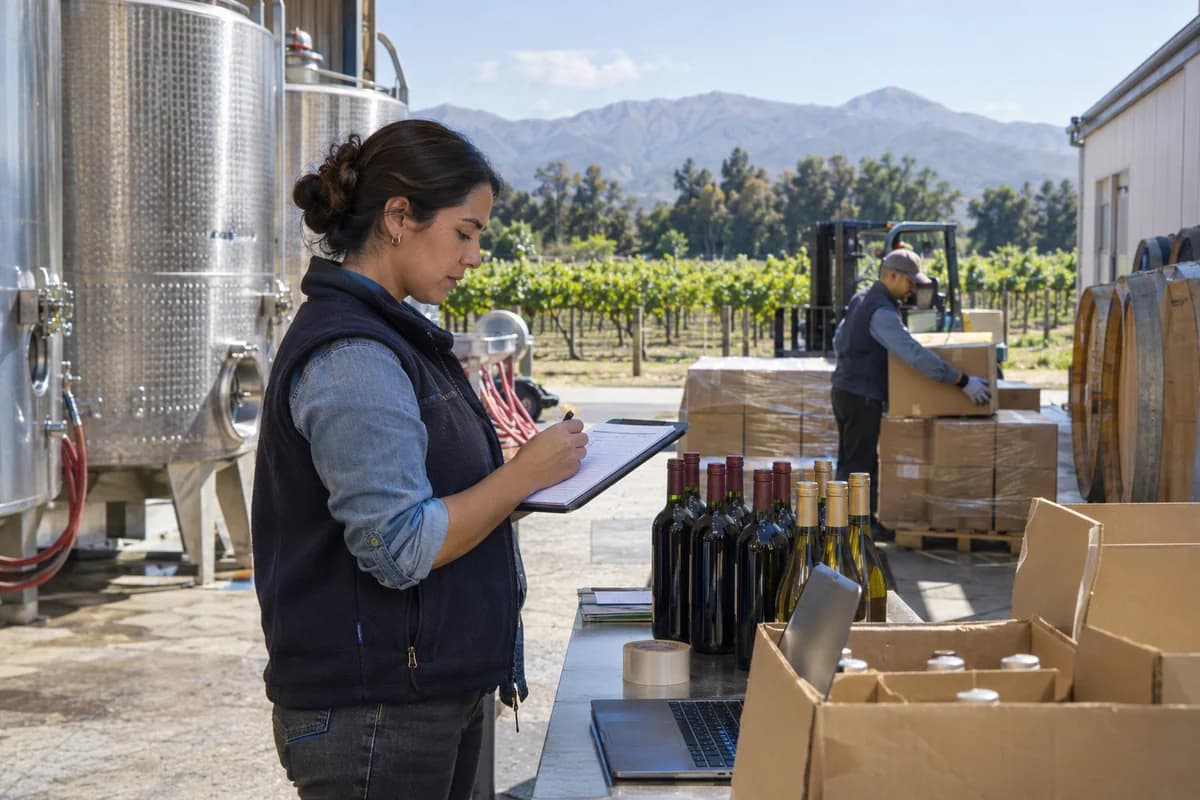
Mines work hundreds of kilometres away, yet purchasing, finance and contracts are run from offices here. Suppliers who serve a mine bid for work in the capital and deliver far to the north, so orders, work sheets and invoices must travel with them. Paper trails get long.
The wine trade has its own office life in the city, because exporters, importers and estates in the Maipo valley sell to buyers abroad. The clocks change in Chile during the year, so the gap with Bengaluru moves, and we confirm meeting times at kick-off.
The districts, business parks and markets that matter in Santiago.
How Santiago businesses pick and use software.
Suppliers and contractors to mining firms who keep work orders, equipment records and invoices ready for client audits.
Wine exporters who need lot records and shipping papers for buyers abroad.
Where Santiago businesses lose time and money.
Contract work leaves no tidy trail
A supplier to a mine may service dozens of machines across several sites. Work orders tied to each machine, with parts and hours logged, give the client a record to audit and the supplier an invoice to defend.
Export papers pile up
A case of wine needs lot details, a packing list and shipping papers, and when these sit in separate sheets, errors creep in. One lot record that feeds every document keeps them consistent.
Wholesale accounts run late
Market wholesalers sell on credit and chase payment by phone, so aged balances per customer, with reminders sent by message, show who owes what.
What we would build for Santiago businesses.
Usually in this order, starting with whatever the audit ranks first.
API and System Integration
Connections between existing tools, with record ownership, duplicate handling and reconciliation agreed for each flow.
Learn moreBusiness Intelligence and Reporting Tools
Business intelligence and reporting work joins accounting vouchers, CRM records and spreadsheet tabs inside Power BI, Metabase or Looker Studio, using metric definitions agreed in writing first. Role dashboards and scheduled packs follow. The model is documented. Your analyst can extend it. Share your requirements and we will say which tool fits.
Learn moreERP, CRM and Business Software Implementation
One record of stock, orders, customers and accounts, set up so your team opens it every day.
Learn moreGlobal Compliance and Localisation
Software has to change for each country. Currency tables, VAT and sales tax codes, invoice layouts, translation files, storage regions and consent records are built as configuration that your team can edit without code changes. The legal question stays with your adviser.
Learn moreReady products that fit Santiago businesses.
Each one is adapted to how your business works before it goes live, and anything your trade needs that it lacks is added then. You are not paying to build the basics again.
Mining Company Management Software
Shift output, haul log, equipment hours, maintenance, fuel and spares, weighbridge dispatch, contractors and invoices for mining and quarry operators.
Learn moreWinery Management Software
Harvest intake, vintage and lot records, tank and barrel register, bottling, cellar stock, cellar door, wine club and trade orders for wineries.
Learn moreSoftware Development Company Management Software
Statements of work, project plans, timesheets, bench allocation, change requests, milestone and time-and-materials invoices and margin for software development companies.
Learn moreHow the work runs from Bengaluru for Santiago.
- 1
The audit, by call
A screen-share and a look at the sheets, accounting reports and WhatsApp groups your team uses. No travel needed.
- 2
A written proposal
Scope, what we build first and the cost, agreed in writing before anything starts.
- 3
Build in short rounds
Working screens shared every few weeks. Your team tests them from your own office.
- 4
Go-live, in person when it helps
For data migration and training we can come to Santiago. Travel is agreed in advance.
- 5
Support online
Fixes, changes and hosting handled remotely by the same team that built it.
The work we have published.
We don’t claim Santiago clients we don’t have. These are systems our team built; the way we work is the same wherever you are.
PetSeva: matching owners to the right vet, at any hour
A two-sided veterinary platform where vets are searchable by specialisation and bookable outside clinic hours. It now carries more than 2,000 veterinary doctors.
Read the case study Paying guest accommodationSAM Atithi Pavathi: bed-level occupancy as the source of truth
PG management software where allocation, rates and invoices are derived from bed-level occupancy and not maintained in parallel spreadsheets.
Read the case study School transport servicesSAM Tours: school transport on a single ledger
Registration, fee collection, routing and finance write to the same records, closing the gap between journeys run and fees collected.
Read the case study Microfinance and Self Help GroupsVikasa RDO: making SHG loan recovery auditable
Loan proposals, recoveries and commissions sit on one record, with a person attached to every state change, so a business handling a bank’s money can show where each rupee went.
Read the case studyMake the scope specific to your business.
Work through a real example from your operation and agree the handoffs, controls and support the project needs.
Contract work leaves no tidy trail
Which observation would change the proposed scope?
For “Contract work leaves no tidy trail”, observe someone completing the task with a representative example. Record where they stop, ask another person or re-enter information, then choose the smallest change whose result the team can verify.
Background reading: GOV.UK: researching user needs
Questions Santiago owners ask before they call.
Can work orders be tied to each machine at a client’s site?
Every order names the machine, the site, the technician, the hours and the parts fitted. The client can be sent the full record with the invoice.
Can a winery keep one record per lot for export papers?
The lot record holds grape source, tank, barrel and bottling details, and export documents are produced from it so the figures match everywhere.
What happens after I share my requirements?
We review your brief and clarify the work with you. We then look at the software, spreadsheets and WhatsApp groups your business runs on today and write down what works, what slows your team down and what is missing. A demo login, a screen-share or a few screenshots are enough. You get a short written summary ordered by priority, with no obligation to hire us afterwards.
How much will the software cost?
We don’t publish a price, because it depends on what the system has to do. That first review settles the scope, and the cost goes into a written proposal before any work starts.
Industries we build for in Santiago.
Elsewhere in Chile.
Tell us what your Santiago business runs on today.
Send a short note on the spreadsheets, software or WhatsApp groups your team depends on. We reply the same working day.
What happens after you share your requirements
- We review your brief and the systems you already use.
- We clarify the workflow, missing information and the work to consider first.
- The proposed scope sets out the deliverables, responsibilities and dependencies.
- Review the scope and commercial terms before deciding whether to proceed.
Start with your requirements
Describe your current process, the people involved and the change you need. Start with the details you know; we can clarify the rest together.
Share your requirements