Espoo · CountriesEspoo’s Otaniemi campus and Keilaniemi towers hold Finland’s telecom, energy and software firms.
Espoo sits west of Helsinki and is Finland’s second largest city. Otaniemi hosts a technical university and a state research centre. Keilaniemi holds the head offices of telecom, energy and software companies. Smaller firms grow beside them. GullySystem supports such teams remotely from Bengaluru.
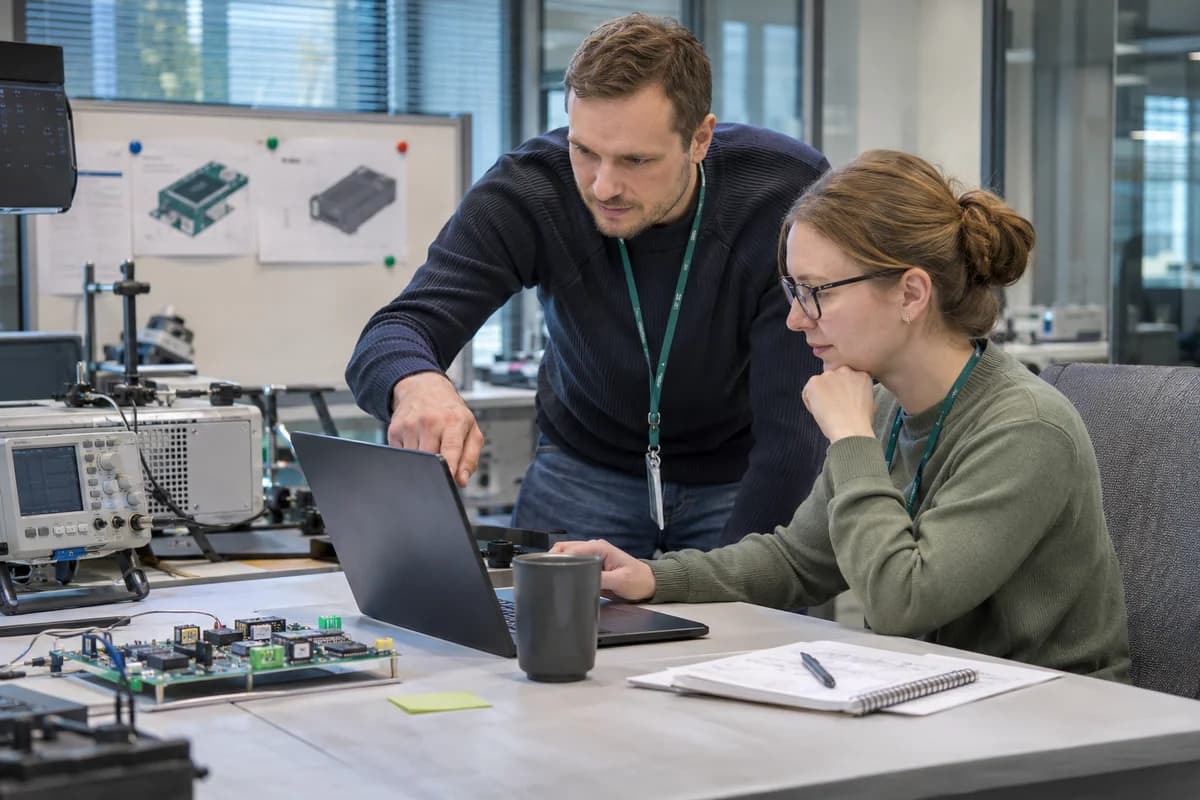
Engineers dominate the conversation here. The Otaniemi campus keeps a steady flow of graduates, spin-offs and research projects, and a short metro ride leads to the glass towers of Keilaniemi. Small teams sell to large customers who ask for strict documentation.
Telecom equipment, energy management, cybersecurity and cloud software are the usual subjects, and contracts are written in English more than in Finnish. Procurement teams ask for security answers before any pilot. Winter dark and summer holidays both leave visible gaps in the calendar.
The districts, business parks and markets that matter in Espoo.
How Espoo businesses pick and use software.
Founders selling to big customers need audit trails and clean releases, because questionnaires arrive well before contracts do and every answer must be backed by something a reviewer can open.
Energy and telecom suppliers want reporting that engineers and finance can both read.
Where Espoo businesses lose time and money.
Security questionnaires eat engineering time
Every large buyer sends a different form, and engineers spend days rewriting answers they gave last month. A standing evidence pack, kept current from the repository and pipeline, ends that repeated effort.
Releases depend on one person
A single engineer knows how to ship, and the release waits whenever they are away. A scripted pipeline lets anyone release and keeps a record of what went out and when.
Pilot data is spread across tools
Telemetry, support tickets and billing records live in three tools, and a customer who asks what it actually used during the pilot waits days for an answer. One reporting layer gives both sides the same figures.
Contractor hours are guessed
Specialists join for a quarter and their hours are estimated later. Time entry per task makes invoicing plain.
What we would build for Espoo businesses.
Usually in this order, starting with whatever the audit ranks first.
Cybersecurity and Application Security
Access, data exposure and recovery reviewed, including what happens when someone leaves or loses a device.
Learn moreDevOps & Automation Services
Releases with agreed checks, planned service windows and a tested route back to a working version.
Learn morePerformance Engineering
Finding why the system slows down at month-end and fixing the cause, not buying a bigger server.
Learn moreDedicated Team and Staff Augmentation
Named engineers, testers and designers join a client’s team for an agreed term, work its hours and backlog, and commit to its repository under its own accounts. We are a small firm. Staffing is confirmed role by role.
Learn moreReady products that fit Espoo businesses.
Each one is adapted to how your business works before it goes live, and anything your trade needs that it lacks is added then. You are not paying to build the basics again.
Telecom Service Provider Management Software
Subscriber accounts, plans, installation jobs, device stock, fault tickets, outage notices and recurring billing for regional telecom and broadband providers.
Learn moreCybersecurity Company Management Software
Engagements, signed scope, findings, report review, retests, retainer hours and licence renewals for penetration testing and managed security firms.
Learn moreEmbedded Systems Company Management Software
Quotes from statements of work, change requests, schematic and firmware revisions, prototype serials, bench defects, engineer time and milestone invoices for embedded design companies.
Learn moreHow the work runs from Bengaluru for Espoo.
- 1
The audit, by call
A screen-share and a look at the sheets, accounting reports and WhatsApp groups your team uses. No travel needed.
- 2
A written proposal
Scope, what we build first and the cost, agreed in writing before anything starts.
- 3
Build in short rounds
Working screens shared every few weeks. Your team tests them from your own office.
- 4
Go-live, in person when it helps
For data migration and training we can come to Espoo. Travel is agreed in advance.
- 5
Support online
Fixes, changes and hosting handled remotely by the same team that built it.
The work we have published.
We don’t claim Espoo clients we don’t have. These are systems our team built; the way we work is the same wherever you are.
PetSeva: matching owners to the right vet, at any hour
A two-sided veterinary platform where vets are searchable by specialisation and bookable outside clinic hours. It now carries more than 2,000 veterinary doctors.
Read the case study Paying guest accommodationSAM Atithi Pavathi: bed-level occupancy as the source of truth
PG management software where allocation, rates and invoices are derived from bed-level occupancy and not maintained in parallel spreadsheets.
Read the case study School transport servicesSAM Tours: school transport on a single ledger
Registration, fee collection, routing and finance write to the same records, closing the gap between journeys run and fees collected.
Read the case study Microfinance and Self Help GroupsVikasa RDO: making SHG loan recovery auditable
Loan proposals, recoveries and commissions sit on one record, with a person attached to every state change, so a business handling a bank’s money can show where each rupee went.
Read the case studyMake the scope specific to your business.
Work through a real example from your operation and agree the handoffs, controls and support the project needs.
Security questionnaires eat engineering time
Can an ordinary account reach a record outside its allowed scope?
For “Security questionnaires eat engineering time”, agree two accounts with different permissions and test direct requests. Record the expected refusal and include exported or downloaded data in the assessment.
Background reading: OWASP: authorisation checks
Questions Espoo owners ask before they call.
Can you answer a large customer’s security questionnaire with us?
We assemble evidence from your repository and pipeline. The statements you sign remain yours.
Will extra developers work in our own repository and tools?
Yes. We join your tracker, chat and review process, and access is limited to what the work needs.
What happens after I share my requirements?
We review your brief and clarify the work with you. We then look at the software, spreadsheets and WhatsApp groups your business runs on today and write down what works, what slows your team down and what is missing. A demo login, a screen-share or a few screenshots are enough. You get a short written summary ordered by priority, with no obligation to hire us afterwards.
How much will the software cost?
We don’t publish a price, because it depends on what the system has to do. That first review settles the scope, and the cost goes into a written proposal before any work starts.
Industries we build for in Espoo.
Elsewhere in Finland.
Tell us what your Espoo business runs on today.
Send a short note on the spreadsheets, software or WhatsApp groups your team depends on. We reply the same working day.
What happens after you share your requirements
- We review your brief and the systems you already use.
- We clarify the workflow, missing information and the work to consider first.
- The proposed scope sets out the deliverables, responsibilities and dependencies.
- Review the scope and commercial terms before deciding whether to proceed.
Start with your requirements
Describe your current process, the people involved and the change you need. Start with the details you know; we can clarify the rest together.
Share your requirements