Tampere · CountriesTampere’s machine builders, hydraulics makers and visitor venues keep production data in too many places.
Tampere grew on the rapids between two lakes, first as a textile town and now as a centre for machinery, automation and software. Two universities and a university hospital sit within it. Firms export to Europe and beyond, invoicing in euros. From Bengaluru, GullySystem supports them remotely.
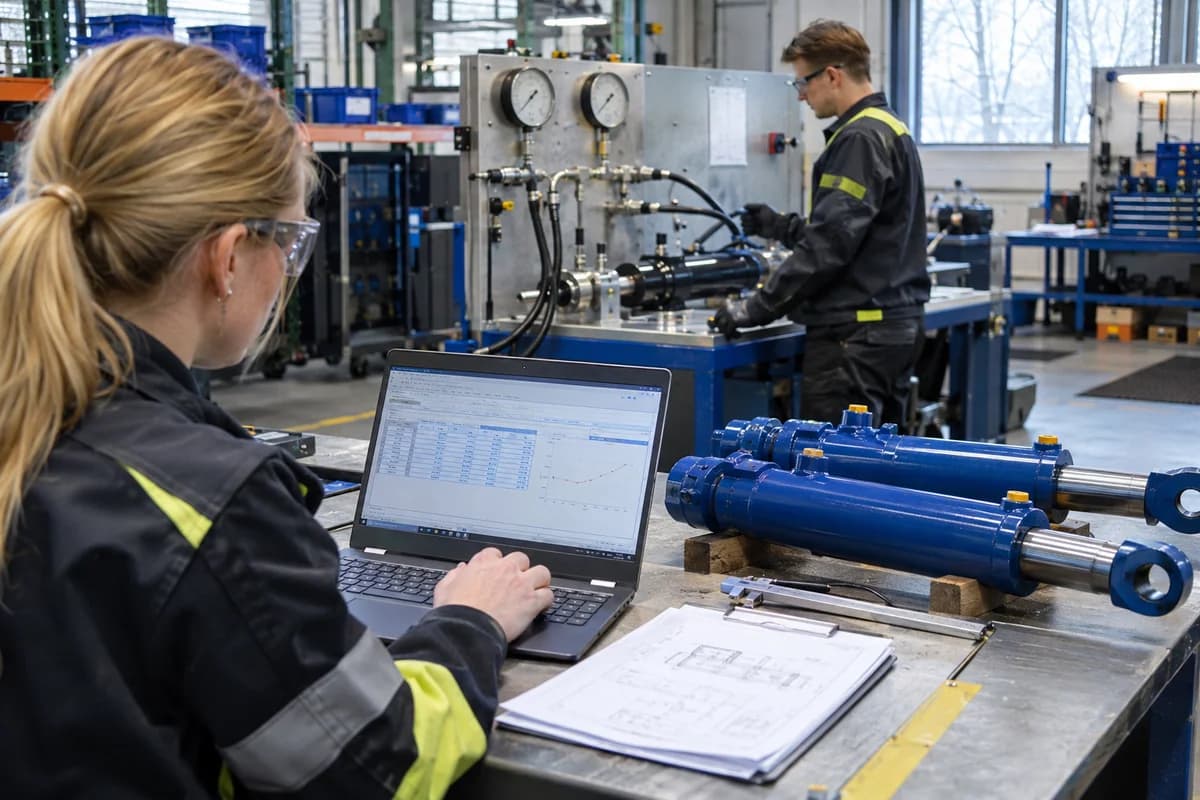
Mills made the town. Red brick factories along the rapids once turned out cloth, and some now hold offices, theatres and shops. Heavy industry followed, and makers of cranes, forest machines, hydraulics and automation equipment grew here and still employ engineers whose buyers are factories and mines abroad.
Two universities and a large hospital keep a steady flow of graduates and research. Hervanta, a tech district to the south-east, hosts engineering firms and spin-outs, whose founders were students at the neighbouring campus only a few years ago. Lakes frame the city. Visitors come for the amusement park, the ice hockey and the saunas, which gives hotels and venues their own busy weeks.
The districts, business parks and markets that matter in Tampere.
How Tampere businesses pick and use software.
Machine builders sell one large unit at a time. They follow it for decades. They need a register of every machine delivered, its parts and its service history.
Finnish managers prize straight talk and quiet delivery. Reports are short, delays are named the day they are found, and the same engineer answers the same customer.
Where Tampere businesses lose time and money.
Machines in the field have no complete parts record
A customer in another country asks for a replacement and nobody is sure what was fitted. A register by serial number holds drawings, parts and changes, so the answer takes minutes and not a trawl through old project folders.
Hydraulic parts are tested and the results are filed in binders
Pressure tests are logged by hand and copied later. Entering readings at the bench lets the test report print with the delivery.
Production plans change when a supplier slips
Delayed steel or a late valve shifts the whole week. A plan linked to purchase orders shows which jobs a late part will touch, so the planner rings the customer first rather than last.
Seasonal venues struggle with staff and ride records
Inspections, repairs and shift lists are in different books, and an inspector in mid-season costs the manager a morning. A single log per ride and shift gives one place to look.
What we would build for Tampere businesses.
Usually in this order, starting with whatever the audit ranks first.
ERP, CRM and Business Software Implementation
One record of stock, orders, customers and accounts, set up so your team opens it every day.
Learn moreIoT and Edge Computing
Machine and sensor readings connected to office records, with buffering limits and recovery after a lost connection defined.
Learn moreSoftware Maintenance, Support and Rescue
Taking over the system your last vendor stopped answering for: fixing it, documenting it and keeping it running.
Learn moreBusiness Intelligence and Reporting Tools
Business intelligence and reporting work joins accounting vouchers, CRM records and spreadsheet tabs inside Power BI, Metabase or Looker Studio, using metric definitions agreed in writing first. Role dashboards and scheduled packs follow. The model is documented. Your analyst can extend it. Share your requirements and we will say which tool fits.
Learn moreReady products that fit Tampere businesses.
Each one is adapted to how your business works before it goes live, and anything your trade needs that it lacks is added then. You are not paying to build the basics again.
Material Handling Equipment Maker Software
Quotations by rated load, mill and chain certificates, assembly stages, proof load sheets, nameplates, commissioning and inspection contracts for hoist, stacker and lift table makers.
Learn moreHydraulic Component Manufacturer Management Software
Tube and rod lots, honing records, seal kits, pressure and cleanliness tests, plating returns and repair history for hydraulic component manufacturers.
Learn moreAmusement Park Management Software
Ticketing, wristbands, season passes, ride logs, maintenance, group bookings, outlet stock and guest incident records for amusement parks.
Learn moreHow the work runs from Bengaluru for Tampere.
- 1
The audit, by call
A screen-share and a look at the sheets, accounting reports and WhatsApp groups your team uses. No travel needed.
- 2
A written proposal
Scope, what we build first and the cost, agreed in writing before anything starts.
- 3
Build in short rounds
Working screens shared every few weeks. Your team tests them from your own office.
- 4
Go-live, in person when it helps
For data migration and training we can come to Tampere. Travel is agreed in advance.
- 5
Support online
Fixes, changes and hosting handled remotely by the same team that built it.
The work we have published.
We don’t claim Tampere clients we don’t have. These are systems our team built; the way we work is the same wherever you are.
PetSeva: matching owners to the right vet, at any hour
A two-sided veterinary platform where vets are searchable by specialisation and bookable outside clinic hours. It now carries more than 2,000 veterinary doctors.
Read the case study Paying guest accommodationSAM Atithi Pavathi: bed-level occupancy as the source of truth
PG management software where allocation, rates and invoices are derived from bed-level occupancy and not maintained in parallel spreadsheets.
Read the case study School transport servicesSAM Tours: school transport on a single ledger
Registration, fee collection, routing and finance write to the same records, closing the gap between journeys run and fees collected.
Read the case study Microfinance and Self Help GroupsVikasa RDO: making SHG loan recovery auditable
Loan proposals, recoveries and commissions sit on one record, with a person attached to every state change, so a business handling a bank’s money can show where each rupee went.
Read the case studyMake the scope specific to your business.
Work through a real example from your operation and agree the handoffs, controls and support the project needs.
Production plans change when a supplier slips
Is the plan based on demand that is still open?
Review “Production plans change when a supplier slips” with an order that changes after planning. Check which material or capacity reservations need review before promising the revised completion date.
Background reading: ERPNext: production planning
Questions Tampere owners ask before they call.
Can you build a machine register that our service team uses in the field?
Yes. Each machine gets a record with drawings, parts, faults and visits, and the technician opens it on a phone. Offline use is planned.
We run an old ERP. Do we have to replace it?
Not necessarily. A better step is to add a screen or an integration around it, and a short review of what the old system does well decides where the new work goes.
What happens after I share my requirements?
We review your brief and clarify the work with you. We then look at the software, spreadsheets and WhatsApp groups your business runs on today and write down what works, what slows your team down and what is missing. A demo login, a screen-share or a few screenshots are enough. You get a short written summary ordered by priority, with no obligation to hire us afterwards.
How much will the software cost?
We don’t publish a price, because it depends on what the system has to do. That first review settles the scope, and the cost goes into a written proposal before any work starts.
Industries we build for in Tampere.
Elsewhere in Finland.
Tell us what your Tampere business runs on today.
Send a short note on the spreadsheets, software or WhatsApp groups your team depends on. We reply the same working day.
What happens after you share your requirements
- We review your brief and the systems you already use.
- We clarify the workflow, missing information and the work to consider first.
- The proposed scope sets out the deliverables, responsibilities and dependencies.
- Review the scope and commercial terms before deciding whether to proceed.
Start with your requirements
Describe your current process, the people involved and the change you need. Start with the details you know; we can clarify the rest together.
Share your requirements