Padua · CountriesPadua mixes an ancient university, large hospitals, pilgrim visitors, a trade fair and Veneto workshops.
Padua is a university city in the Veneto. Students and researchers fill its centre, and large hospitals draw patients and suppliers. Pilgrims visit the basilica of Saint Anthony all year. An industrial zone east of the centre hosts workshops that make metal parts and machinery. A trade fair adds events. GullySystem, a Bengaluru company, writes medical trade and workshop software.
Padua’s university shapes the city. Lecture halls, libraries and student housing sit among old streets, and teaching hospitals link medicine to daily care. Pharmacies, laboratories and equipment dealers serve them. Demand is steady, with spikes at the start of each term.
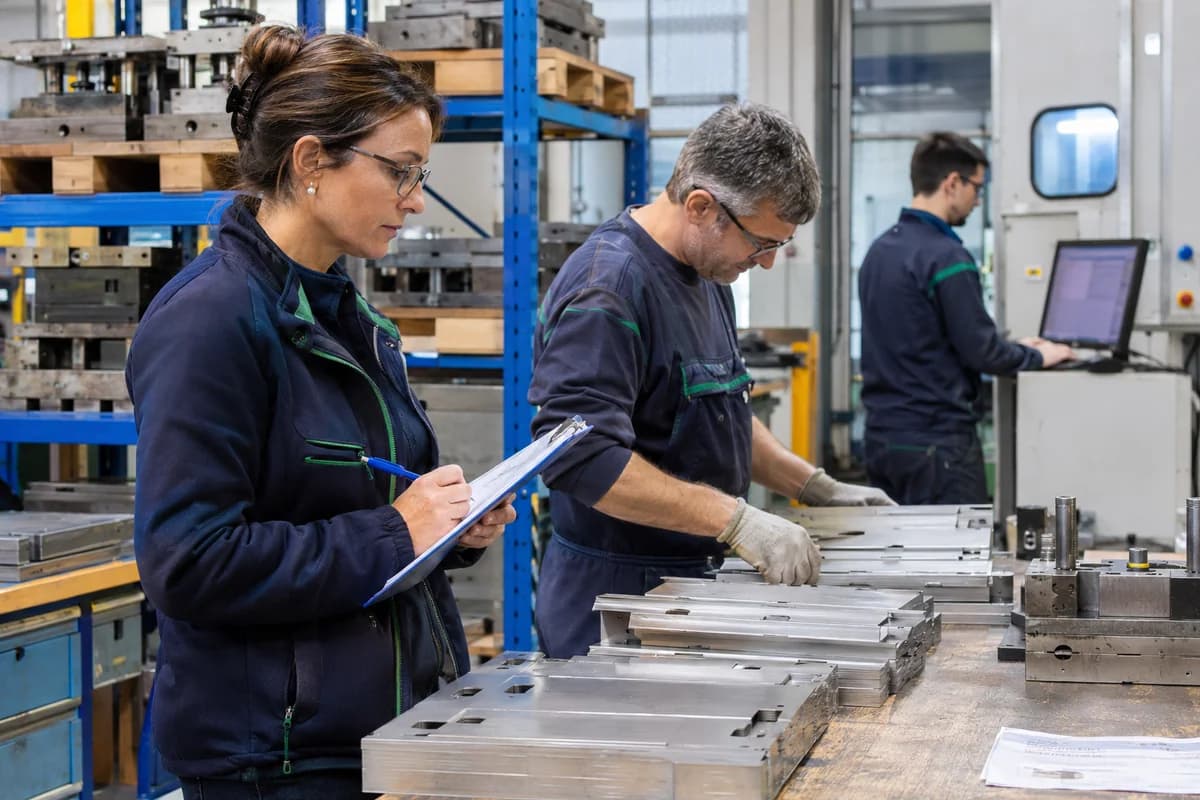
Industry sits just outside, where workshops in the industrial zone and nearby towns stamp, machine and assemble parts for buyers across the Veneto and beyond. Pilgrims and day visitors add to hotels and shops, particularly around feast days.
The districts, business parks and markets that matter in Padua.
How Padua businesses pick and use software.
Medical equipment dealers that sell, install and service devices for clinics and need contract and serial records.
Metal stamping shops that take repeat orders and must track tooling, batches and delivery dates.
Where Padua businesses lose time and money.
Service visits are missed
A device is due for maintenance and no one remembers. A contract list with reminders turns every due date into a task assigned to a named technician.
Tooling wear is not recorded
A die is used until a part fails. Logging press strokes for each die shows when it needs grinding or replacement, long before the scrap pile grows.
Pharmacy orders are made from memory
Shelves empty before the order is placed. Reorder levels based on past sales trigger the purchase earlier and keep the common medicines on the shelf.
What we would build for Padua businesses.
Usually in this order, starting with whatever the audit ranks first.
ERP, CRM and Business Software Implementation
One record of stock, orders, customers and accounts, set up so your team opens it every day.
Learn moreIoT and Edge Computing
Machine and sensor readings connected to office records, with buffering limits and recovery after a lost connection defined.
Learn moreBusiness Process Automation
Approvals, reminders and reports triggered by agreed rules, with exceptions assigned to a responsible person.
Learn moreQA and Software Testing
Testing on the phones, browsers and patchy networks your customers and staff actually use.
Learn moreReady products that fit Padua businesses.
Each one is adapted to how your business works before it goes live, and anything your trade needs that it lacks is added then. You are not paying to build the basics again.
Medical Equipment Dealer Management Software
Quotations, tender files, demo units, installed machine register, warranty and service contracts, breakdown calls, calibration and spares for medical equipment dealers.
Learn moreMetal Stamping Company Management Software
Quotes by strip pitch and tonnage, die register, coil lot trace, press scheduling, first-off checks, scrap and call-off deliveries for metal stamping companies.
Learn moreIndependent Pharmacy Management Software
Prescription queue, pharmacist check, batch and expiry stock, repeat reminders, owings, controlled register and wholesaler orders for independent pharmacies.
Learn moreHow the work runs from Bengaluru for Padua.
- 1
The audit, by call
A screen-share and a look at the sheets, accounting reports and WhatsApp groups your team uses. No travel needed.
- 2
A written proposal
Scope, what we build first and the cost, agreed in writing before anything starts.
- 3
Build in short rounds
Working screens shared every few weeks. Your team tests them from your own office.
- 4
Go-live, in person when it helps
For data migration and training we can come to Padua. Travel is agreed in advance.
- 5
Support online
Fixes, changes and hosting handled remotely by the same team that built it.
The work we have published.
We don’t claim Padua clients we don’t have. These are systems our team built; the way we work is the same wherever you are.
PetSeva: matching owners to the right vet, at any hour
A two-sided veterinary platform where vets are searchable by specialisation and bookable outside clinic hours. It now carries more than 2,000 veterinary doctors.
Read the case study Paying guest accommodationSAM Atithi Pavathi: bed-level occupancy as the source of truth
PG management software where allocation, rates and invoices are derived from bed-level occupancy and not maintained in parallel spreadsheets.
Read the case study School transport servicesSAM Tours: school transport on a single ledger
Registration, fee collection, routing and finance write to the same records, closing the gap between journeys run and fees collected.
Read the case study Microfinance and Self Help GroupsVikasa RDO: making SHG loan recovery auditable
Loan proposals, recoveries and commissions sit on one record, with a person attached to every state change, so a business handling a bank’s money can show where each rupee went.
Read the case studyMake the scope specific to your business.
Work through a real example from your operation and agree the handoffs, controls and support the project needs.
Service visits are missed
What proves that a planned task was actually completed?
Select an overdue entry in “Service visits are missed”. Ask which work record closes it and what remains visible when the visit is postponed or only part of the job is done.
Background reading: ERPNext: maintenance plans
Questions Padua owners ask before they call.
Can we keep serial numbers and service dates for every device we sell?
Yes. Each device gets a record with customer, serial number, installation and next service date, and reminders can go to your team.
Can the system count parts made on a press?
A counter on the machine can send numbers to the system. We first check the machine’s output options with your maintenance team.
What happens after I share my requirements?
We review your brief and clarify the work with you. We then look at the software, spreadsheets and WhatsApp groups your business runs on today and write down what works, what slows your team down and what is missing. A demo login, a screen-share or a few screenshots are enough. You get a short written summary ordered by priority, with no obligation to hire us afterwards.
How much will the software cost?
We don’t publish a price, because it depends on what the system has to do. That first review settles the scope, and the cost goes into a written proposal before any work starts.
Industries we build for in Padua.
Tell us what your Padua business runs on today.
Send a short note on the spreadsheets, software or WhatsApp groups your team depends on. We reply the same working day.
What happens after you share your requirements
- We review your brief and the systems you already use.
- We clarify the workflow, missing information and the work to consider first.
- The proposed scope sets out the deliverables, responsibilities and dependencies.
- Review the scope and commercial terms before deciding whether to proceed.
Start with your requirements
Describe your current process, the people involved and the change you need. Start with the details you know; we can clarify the rest together.
Share your requirements