Rome · CountriesRome’s hotels, film crews, tour firms and public-sector suppliers work around pilgrims, visitors and ministries.
Rome is Italy’s seat of government, a pilgrimage destination and the home of the Cinecittà film studios. Ministries and public agencies set one pace for their suppliers, while the hotels, guides and restaurants of the historic centre follow the visitor seasons. Small, family-run firms are the norm. Bookings, crews and approvals all move on short notice.
Rome has the ministries, the regional government and a long list of public agencies. Contractors who serve them wait on tenders, sign-offs and payment terms that can stretch for months. Smaller firms live on tourism instead. A hotel near Termini station, a guide who leads groups through the Forum and a trattoria in Trastevere all depend on how many visitors arrive that week.
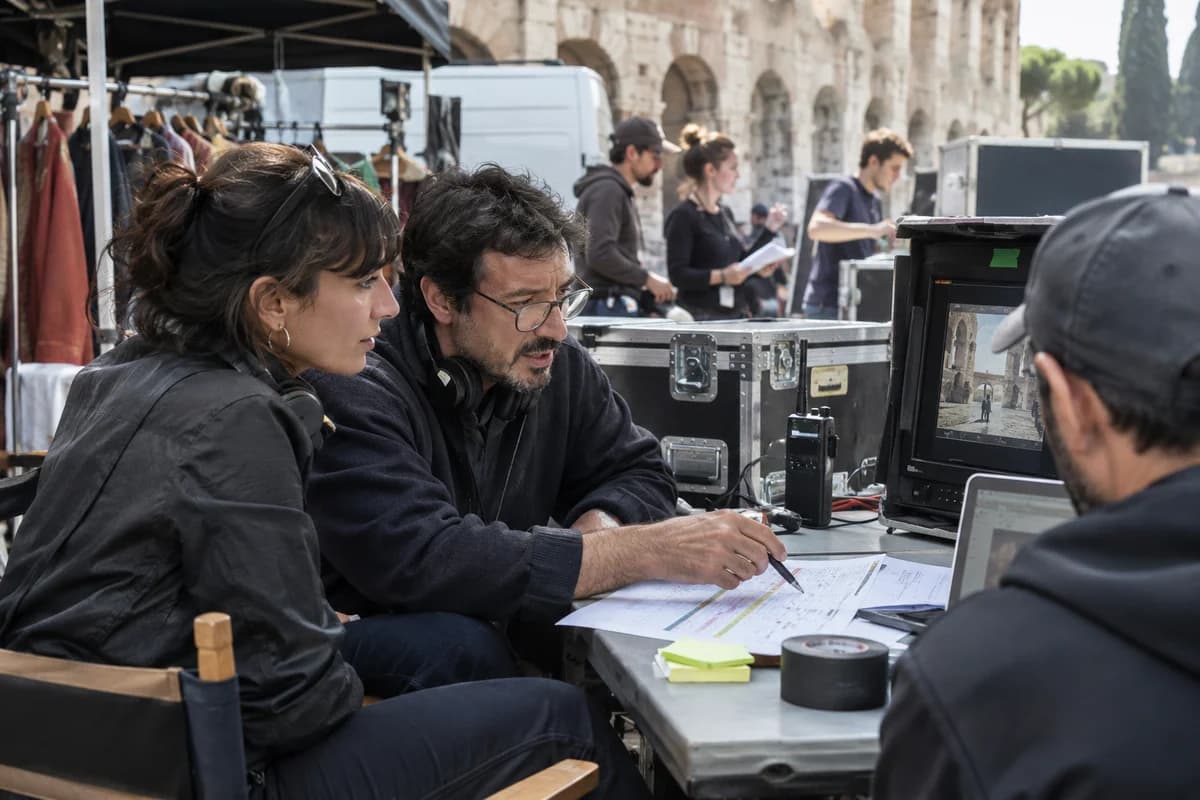
Film and television add a third trade. Cinecittà and the production houses around it hire crews for a shoot and release them at the wrap. Budgets are tracked by the day. Pilgrim groups arrive in bursts around Easter and Christmas, and the religious houses and guesthouses that receive them keep their own calendars of visits, meals and beds.
The districts, business parks and markets that matter in Rome.
How Rome businesses pick and use software.
Hoteliers and guesthouse owners who take bookings by phone, email and three apps, and want one calendar that tells the truth.
Production managers at small film and advertising houses who need day rates, hours and costs on one sheet before the wrap.
Contractors who sell to public bodies and need every order, certificate and invoice kept beside the job it belongs to.
Where Rome businesses lose time and money.
Bookings arrive from five channels
A guesthouse takes reservations by agency, app, email, phone and walk-in. Double bookings follow in the busy weeks. One calendar that every channel feeds avoids the apology at the door.
Crews and costs move daily
A shoot hires drivers, electricians and extras for a week or two, and time sheets and day rates are collected on paper and typed up later. Producers see an overspend only after the wrap.
Public clients pay slowly
Contractors working for ministries and agencies wait on approvals. Invoices, purchase orders and milestone certificates need matching. A missing number can hold a payment. A tracker keeps each document with its job.
Groups change at the last minute
Tour and pilgrimage organisers reshuffle beds, coach seats and guides as numbers shift, and every revised list goes out by message to people who may well miss it.
What we would build for Rome businesses.
Usually in this order, starting with whatever the audit ranks first.
API and System Integration
Connections between existing tools, with record ownership, duplicate handling and reconciliation agreed for each flow.
Learn moreWhatsApp Business API and Chatbots
WhatsApp Business API work covers number onboarding, template approval, opt-in records and a chatbot with human handover, all set up under the client’s own Meta account. It connects WhatsApp to a CRM, billing or booking system, so every message is sent from an existing record and every reply is written back. It suits businesses that already take orders, payments or bookings in chat.
Learn moreBusiness Process Automation
Approvals, reminders and reports triggered by agreed rules, with exceptions assigned to a responsible person.
Learn moreWeb and Mobile Application Development
Web and mobile apps for customers, field staff and dealers, built to work on ordinary phones.
Learn moreReady products that fit Rome businesses.
Each one is adapted to how your business works before it goes live, and anything your trade needs that it lacks is added then. You are not paying to build the basics again.
Hotel Management Software
A property management system for room bookings, the reservation chart, front desk, housekeeping, rate plans, guest folios and banquet hall bookings in hotels and resorts.
Learn moreFilm Production House Management Software
Script breakdown, shooting schedule and call sheets, cast and crew bookings, equipment and locations, shoot reports, budget against actuals and deliverables for film production houses.
Learn moreTour Operator Management Software
Itineraries, group departures, vendor bookings, vouchers, per-passenger costing, guest payments and vendor payables for tour operators running fixed departures and custom trips.
Learn moreHow the work runs from Bengaluru for Rome.
- 1
The audit, by call
A screen-share and a look at the sheets, accounting reports and WhatsApp groups your team uses. No travel needed.
- 2
A written proposal
Scope, what we build first and the cost, agreed in writing before anything starts.
- 3
Build in short rounds
Working screens shared every few weeks. Your team tests them from your own office.
- 4
Go-live, in person when it helps
For data migration and training we can come to Rome. Travel is agreed in advance.
- 5
Support online
Fixes, changes and hosting handled remotely by the same team that built it.
The work we have published.
We don’t claim Rome clients we don’t have. These are systems our team built; the way we work is the same wherever you are.
PetSeva: matching owners to the right vet, at any hour
A two-sided veterinary platform where vets are searchable by specialisation and bookable outside clinic hours. It now carries more than 2,000 veterinary doctors.
Read the case study Paying guest accommodationSAM Atithi Pavathi: bed-level occupancy as the source of truth
PG management software where allocation, rates and invoices are derived from bed-level occupancy and not maintained in parallel spreadsheets.
Read the case study School transport servicesSAM Tours: school transport on a single ledger
Registration, fee collection, routing and finance write to the same records, closing the gap between journeys run and fees collected.
Read the case study Microfinance and Self Help GroupsVikasa RDO: making SHG loan recovery auditable
Loan proposals, recoveries and commissions sit on one record, with a person attached to every state change, so a business handling a bank’s money can show where each rupee went.
Read the case studyMake the scope specific to your business.
Work through a real example from your operation and agree the handoffs, controls and support the project needs.
Bookings arrive from five channels
What becomes available when a booking is moved or cancelled?
Use “Bookings arrive from five channels” to move a booking, then cancel a second example. Check the released slot, the person or resource still assigned, and any amount left to settle before accepting the revised schedule.
Background reading: ERPNext: appointment records
Questions Rome owners ask before they call.
Can the booking system handle guests from abroad?
Yes. Guests see screens and confirmation emails in Italian, English or any other language you choose, matched to the language of their booking.
Will a system fit the paperwork our ministry clients ask for?
We ask for the forms and numbering rules your clients require and build the order and invoice records around them. Your adviser confirms the details, and we test on real past jobs before anything goes live.
What happens after I share my requirements?
We review your brief and clarify the work with you. We then look at the software, spreadsheets and WhatsApp groups your business runs on today and write down what works, what slows your team down and what is missing. A demo login, a screen-share or a few screenshots are enough. You get a short written summary ordered by priority, with no obligation to hire us afterwards.
How much will the software cost?
We don’t publish a price, because it depends on what the system has to do. That first review settles the scope, and the cost goes into a written proposal before any work starts.
Industries we build for in Rome.
Tell us what your Rome business runs on today.
Send a short note on the spreadsheets, software or WhatsApp groups your team depends on. We reply the same working day.
What happens after you share your requirements
- We review your brief and the systems you already use.
- We clarify the workflow, missing information and the work to consider first.
- The proposed scope sets out the deliverables, responsibilities and dependencies.
- Review the scope and commercial terms before deciding whether to proceed.
Start with your requirements
Describe your current process, the people involved and the change you need. Start with the details you know; we can clarify the rest together.
Share your requirements