Turin · CountriesTurin’s machine shops, parts makers and chocolatiers serve car makers, laboratories and a university city.
Turin built its fortune on cars, and the trade still shows in the turning shops, tool rooms and parts makers across the Piedmont plain. The city also makes chocolate, vermouth and books. Two universities feed engineers into small firms. Invoices run in euros, while drawings and specifications arrive in English or German from customers abroad.
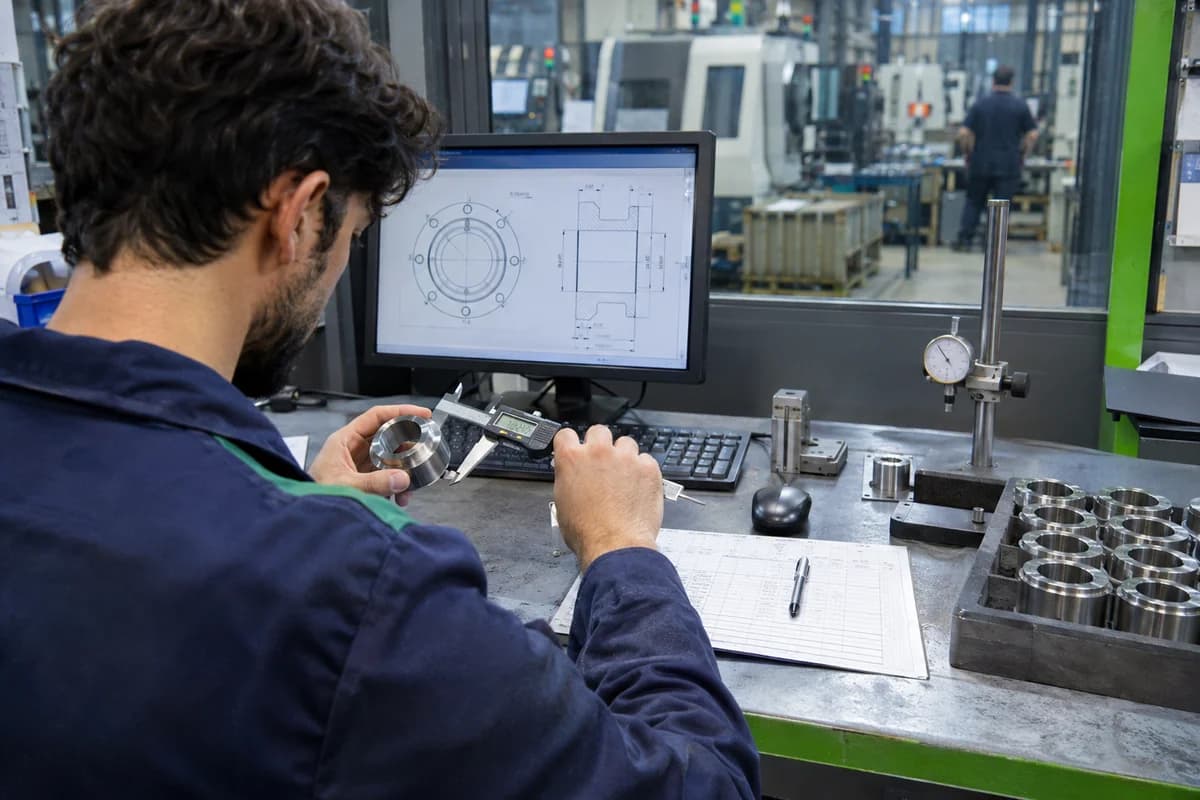
Turin was Italy’s motor city for a century. The big assembly lines are no longer the whole story, yet the suppliers remain: turning shops, press and moulding firms, tool rooms and designers who prepare prototypes for makers in several countries. Most are small and run by founding families. Drawings change by revision letter, and parts are checked against them before they leave.
Food is the second trade. Chocolatiers turn local hazelnuts into gianduja, bakeries make breadsticks, and vermouth houses supply the evening aperitivo to cafés across the old centre. In May the book fair at the Lingotto exhibition centre fills the old factory building with publishers and readers. Winters are cold. The cafés stay full.
The districts, business parks and markets that matter in Turin.
How Turin businesses pick and use software.
Owners of machining and tooling shops who answer to car-industry buyers and still keep job cards in a folder on the shop floor.
Chocolate and confectionery makers who take gift box orders in bulk each winter and track stock of every filling by hand.
Where Turin businesses lose time and money.
Revisions that live in email
A drawing moves from revision B to revision C and the shop floor keeps cutting B. Parts are scrapped. The customer notices. Holding the current drawing beside each job order stops it.
Carmakers demand quality records
Automotive customers ask for inspection reports, material certificates and traceability by batch. Binders pile up. Shops still fill these in by hand and file them in binders that nobody can search quickly. Records kept electronically for each lot answer an audit far faster.
Gift boxes pile up before Christmas
Chocolate makers take orders for assorted boxes through November and December. Stock of each filling must be matched against the boxes sold. A simple order list by pack type keeps the count straight.
What we would build for Turin businesses.
Usually in this order, starting with whatever the audit ranks first.
Custom Software and Product Engineering
Software built around how your business actually runs, when nothing off the shelf fits without workarounds.
Learn moreIoT and Edge Computing
Machine and sensor readings connected to office records, with buffering limits and recovery after a lost connection defined.
Learn moreQA and Software Testing
Testing on the phones, browsers and patchy networks your customers and staff actually use.
Learn moreE-Commerce and Digital Commerce
An online store or B2B order portal wired to your stock, billing and dispatch.
Learn moreReady products that fit Turin businesses.
Each one is adapted to how your business works before it goes live, and anything your trade needs that it lacks is added then. You are not paying to build the basics again.
Auto Parts Manufacturer Management Software
PPAP files, release-driven planning, lot trace, control plan inspection, plating and heat treatment returns, returnable crates, VDA labels and 8D replies for auto parts makers.
Learn moreTool Room Management Software
Progressive die, injection mould and gauge projects with stage hours, bills of parts, tryouts, spares and regrind jobs for tool rooms.
Learn moreSweet Shop Management Software
Weighing and billing, festival advance orders, gift boxes, kitchen production plans, shelf life and branch stock for sweet and confectionery shops.
Learn moreHow the work runs from Bengaluru for Turin.
- 1
The audit, by call
A screen-share and a look at the sheets, accounting reports and WhatsApp groups your team uses. No travel needed.
- 2
A written proposal
Scope, what we build first and the cost, agreed in writing before anything starts.
- 3
Build in short rounds
Working screens shared every few weeks. Your team tests them from your own office.
- 4
Go-live, in person when it helps
For data migration and training we can come to Turin. Travel is agreed in advance.
- 5
Support online
Fixes, changes and hosting handled remotely by the same team that built it.
The work we have published.
We don’t claim Turin clients we don’t have. These are systems our team built; the way we work is the same wherever you are.
PetSeva: matching owners to the right vet, at any hour
A two-sided veterinary platform where vets are searchable by specialisation and bookable outside clinic hours. It now carries more than 2,000 veterinary doctors.
Read the case study Paying guest accommodationSAM Atithi Pavathi: bed-level occupancy as the source of truth
PG management software where allocation, rates and invoices are derived from bed-level occupancy and not maintained in parallel spreadsheets.
Read the case study School transport servicesSAM Tours: school transport on a single ledger
Registration, fee collection, routing and finance write to the same records, closing the gap between journeys run and fees collected.
Read the case study Microfinance and Self Help GroupsVikasa RDO: making SHG loan recovery auditable
Loan proposals, recoveries and commissions sit on one record, with a person attached to every state change, so a business handling a bank’s money can show where each rupee went.
Read the case studyMake the scope specific to your business.
Work through a real example from your operation and agree the handoffs, controls and support the project needs.
Revisions that live in email
Which version applies to work that has already started?
Use a revised example from “Revisions that live in email” during a scoped walkthrough. Identify work still using the earlier version before deciding which jobs should change.
Background reading: Odoo: controlled product changes
Questions Turin owners ask before they call.
Can a Turin machine shop keep drawing revisions linked to each job?
Yes. Each job order can point to the current drawing and show its revision letter. When a new revision is uploaded, open jobs are flagged so the shop floor knows before cutting continues.
Can online gift box orders run alongside the shop?
They can. A web order joins the counter orders on one list that shows pack type, filling and delivery date. Your own team decides cut-off dates for the winter rush.
What happens after I share my requirements?
We review your brief and clarify the work with you. We then look at the software, spreadsheets and WhatsApp groups your business runs on today and write down what works, what slows your team down and what is missing. A demo login, a screen-share or a few screenshots are enough. You get a short written summary ordered by priority, with no obligation to hire us afterwards.
How much will the software cost?
We don’t publish a price, because it depends on what the system has to do. That first review settles the scope, and the cost goes into a written proposal before any work starts.
Industries we build for in Turin.
Tell us what your Turin business runs on today.
Send a short note on the spreadsheets, software or WhatsApp groups your team depends on. We reply the same working day.
What happens after you share your requirements
- We review your brief and the systems you already use.
- We clarify the workflow, missing information and the work to consider first.
- The proposed scope sets out the deliverables, responsibilities and dependencies.
- Review the scope and commercial terms before deciding whether to proceed.
Start with your requirements
Describe your current process, the people involved and the change you need. Start with the details you know; we can clarify the rest together.
Share your requirements