Christchurch · CountriesChristchurch builds, farms and exports for the Canterbury plains, and still shows rebuild-era demand.
Christchurch serves the Canterbury plains, one of New Zealand’s great farming regions, and the city has rebuilt much of its centre since the earthquakes. Engineering firms, machinery makers, builders and agricultural suppliers dominate, and the airport is a gateway for Antarctic programmes. Indian early mornings meet the Christchurch afternoon.
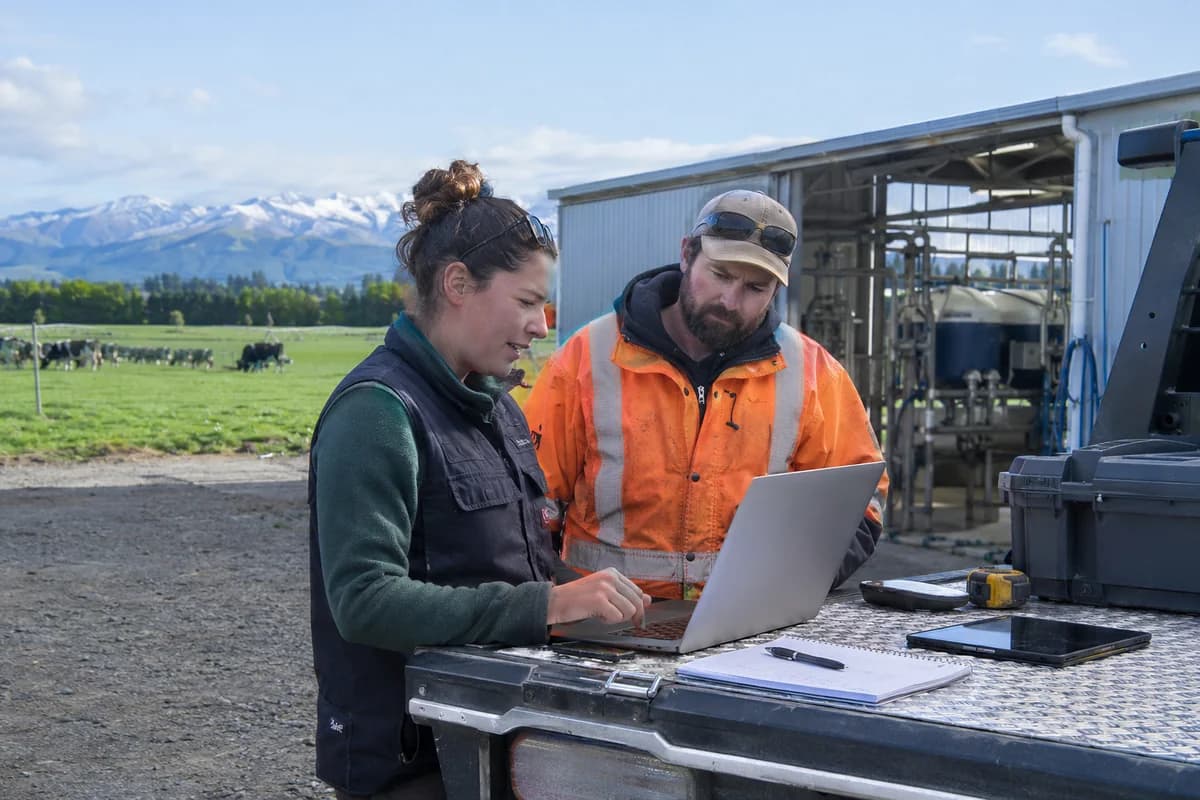
Canterbury’s farms drive much of the city’s trade. Dairy, sheep, cropping and irrigation all call for machinery, parts, feed and veterinary services, and dealers and fabricators in the western suburbs supply them. Workloads follow seasons.
The city also carries a long rebuild. Builders, engineers and renovators remain busy, and the University of Canterbury brings research and technology spin-offs. Costs and compliance rules for buildings are taken seriously, so small firms need clear job records.
The districts, business parks and markets that matter in Christchurch.
How Christchurch businesses pick and use software.
Machinery makers and dealers want parts, repairs and customer machines tracked through the busy seasons.
Builders and engineers working on rebuild and repair projects need quotes, approvals and inspections tied to each site.
Farm suppliers and dairy operators want records on stock, treatments and deliveries that are easy to find.
Where Christchurch businesses lose time and money.
Machines coming back for the same fault
A dealer sees repeat repairs but has no history to show the pattern, and a record per machine with parts and hours exposes it.
Building consents and inspections tracked loosely
Each job has approvals and visits with fixed dates, and a job tracker with status per step keeps the programme moving.
Feed and stock orders timed by feel
Dairy supply orders follow season and herd size. Usage history gives a clearer guide than memory.
Seasonal workers hired and lost track of
Farms and processors take on temporary staff at peak, and a simple roster with contacts and hours cuts messages.
What we would build for Christchurch businesses.
Usually in this order, starting with whatever the audit ranks first.
Web and Mobile Application Development
Web and mobile apps for customers, field staff and dealers, built to work on ordinary phones.
Learn moreSaaS Product Development
Turning a system that works for one business into a product other businesses can subscribe to.
Learn moreData Migration and Moving Off Spreadsheets
Data migration and spreadsheet replacement covers auditing existing files, cleaning and deduplicating records, loading them into a new system and reconciling the loaded result against known totals. Both systems then run side by side before cutover. Originals stay untouched.
Learn moreSoftware Maintenance, Support and Rescue
Taking over the system your last vendor stopped answering for: fixing it, documenting it and keeping it running.
Learn moreReady products that fit Christchurch businesses.
Each one is adapted to how your business works before it goes live, and anything your trade needs that it lacks is added then. You are not paying to build the basics again.
Farm Equipment Dealer Management Software
Tractor, combine and baler stock by serial, packaged quotes, trade-ins, demo loans, seasonal parts, field service trucks, finance and warranty for farm equipment dealers.
Learn moreDairy Farm Management Software
Herd register, milk yield, breeding and calving, treatment and withdrawal, feed rations, processor invoices and shed staff for dairy farms.
Learn moreConstruction Project Management Software
Sites and stages, formwork and masonry gangs, bar bender bills, material issue, running bills with retention and site photos for builders and contractors.
Learn moreHow the work runs from Bengaluru for Christchurch.
- 1
The audit, by call
A screen-share and a look at the sheets, accounting reports and WhatsApp groups your team uses. No travel needed.
- 2
A written proposal
Scope, what we build first and the cost, agreed in writing before anything starts.
- 3
Build in short rounds
Working screens shared every few weeks. Your team tests them from your own office.
- 4
Go-live, in person when it helps
For data migration and training we can come to Christchurch. Travel is agreed in advance.
- 5
Support online
Fixes, changes and hosting handled remotely by the same team that built it.
The work we have published.
We don’t claim Christchurch clients we don’t have. These are systems our team built; the way we work is the same wherever you are.
PetSeva: matching owners to the right vet, at any hour
A two-sided veterinary platform where vets are searchable by specialisation and bookable outside clinic hours. It now carries more than 2,000 veterinary doctors.
Read the case study Paying guest accommodationSAM Atithi Pavathi: bed-level occupancy as the source of truth
PG management software where allocation, rates and invoices are derived from bed-level occupancy and not maintained in parallel spreadsheets.
Read the case study School transport servicesSAM Tours: school transport on a single ledger
Registration, fee collection, routing and finance write to the same records, closing the gap between journeys run and fees collected.
Read the case study Microfinance and Self Help GroupsVikasa RDO: making SHG loan recovery auditable
Loan proposals, recoveries and commissions sit on one record, with a person attached to every state change, so a business handling a bank’s money can show where each rupee went.
Read the case studyMake the scope specific to your business.
Work through a real example from your operation and agree the handoffs, controls and support the project needs.
Building consents and inspections tracked loosely
Who decides whether a failed result blocks the next step?
For “Building consents and inspections tracked loosely”, bring an accepted result and a failed one. Agree who can authorise an exception and what evidence must accompany that decision.
Background reading: ERPNext: inspection criteria
Feed and stock orders timed by feel
What happens to movements entered while a count is being checked?
For “Feed and stock orders timed by feel”, choose a count date and trace the movements around it. Agree who investigates a difference before an adjustment changes the available balance.
Background reading: ERPNext: stock reconciliation
Questions Christchurch owners ask before they call.
Can machine histories be kept per customer?
Yes. Each machine has its own record of jobs, parts and hours, linked to the customer. Reports can then show repeat faults.
How do sessions suit Canterbury hours?
Christchurch is ahead of India, so a session fits the Indian early morning and Christchurch afternoon. A regular weekly slot is fixed and notes follow each call.
What happens after I share my requirements?
We review your brief and clarify the work with you. We then look at the software, spreadsheets and WhatsApp groups your business runs on today and write down what works, what slows your team down and what is missing. A demo login, a screen-share or a few screenshots are enough. You get a short written summary ordered by priority, with no obligation to hire us afterwards.
How much will the software cost?
We don’t publish a price, because it depends on what the system has to do. That first review settles the scope, and the cost goes into a written proposal before any work starts.
Industries we build for in Christchurch.
Elsewhere in New Zealand.
Tell us what your Christchurch business runs on today.
Send a short note on the spreadsheets, software or WhatsApp groups your team depends on. We reply the same working day.
What happens after you share your requirements
- We review your brief and the systems you already use.
- We clarify the workflow, missing information and the work to consider first.
- The proposed scope sets out the deliverables, responsibilities and dependencies.
- Review the scope and commercial terms before deciding whether to proceed.
Start with your requirements
Describe your current process, the people involved and the change you need. Start with the details you know; we can clarify the rest together.
Share your requirements