Software for Macedonian garment makers, wine cellars and service centres, supported from Bengaluru.
North Macedonia is a small landlocked country of mountains, lakes and the Vardar valley. Clothing makers, wiring plants, wine cellars and service centres are major employers. The denar is the currency. Firms work in Macedonian, with Albanian common in the west and English in the export plants. Bengaluru is our base, and no staff or licence of ours sits there.
Working with a team in India from North Macedonia.
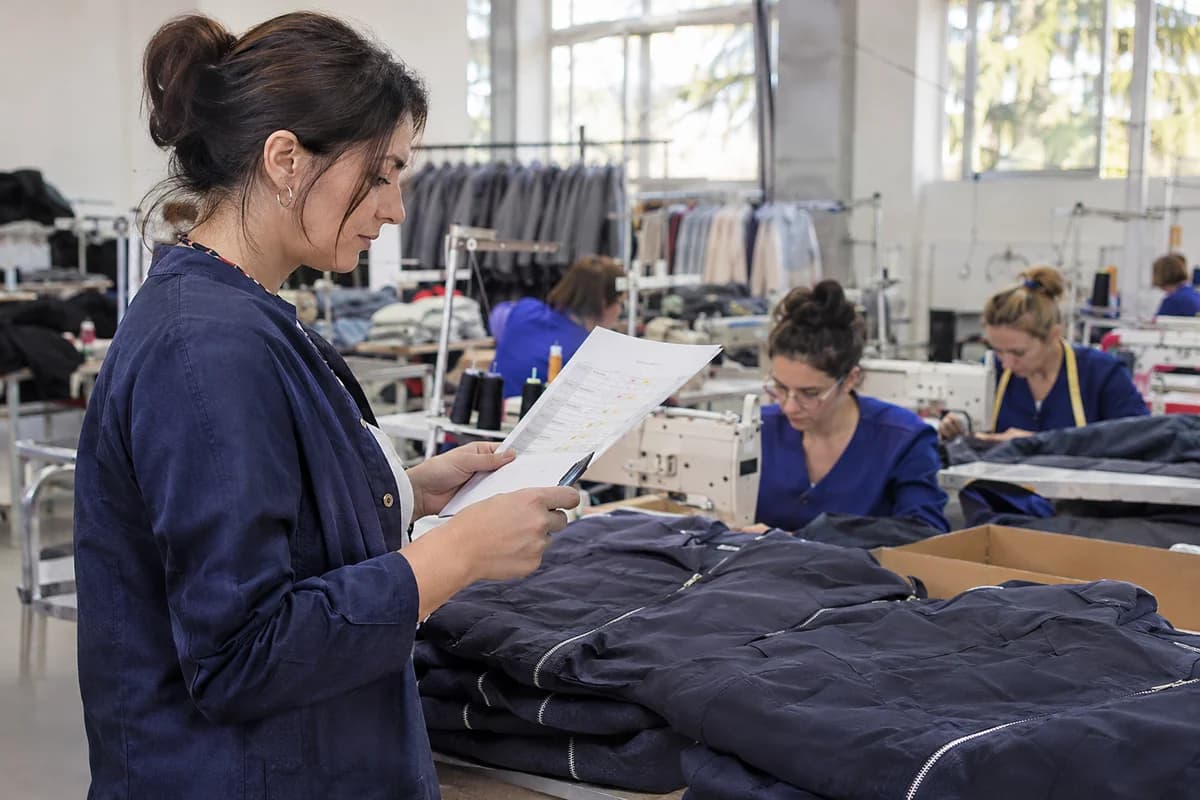
The Vardar river runs from the western mountains through Skopje and south to the vineyards of Tikveš, and most of the country’s trade follows the same valley by road and rail. Sewing halls along the way stitch jackets and shirts for brands abroad, working to patterns and deadlines that arrive by email. Wiring plants ship harnesses to car factories in central Europe. Cellars press grapes each autumn, and the whole valley smells of must for a few weeks.
We are a small team in Nagarbhavi, Bengaluru. Nobody of ours lives or works in North Macedonia, and no customer there is implied by anything written on this page or by any logo. We write software around your routine and deliver it at a steady pace. The time gap is only a few hours, so a call fits in your morning.
What changes when your business is in North Macedonia.
Hours, money, language and data are decided with you at the start, not discovered later.
What the software has to fit.
The filing cycles, payment habits and licences a small business there already works around.
Trades we write for in North Macedonia.
Products that fit them.
Capabilities often asked for.
Cities we write software for in North Macedonia.
What we would build for North Macedonia businesses.
Usually in this order, starting with whatever the audit ranks first.
Business Process Automation
Approvals, reminders and reports triggered by agreed rules, with exceptions assigned to a responsible person.
Learn moreData Migration and Moving Off Spreadsheets
Data migration and spreadsheet replacement covers auditing existing files, cleaning and deduplicating records, loading them into a new system and reconciling the loaded result against known totals. Both systems then run side by side before cutover. Originals stay untouched.
Learn moreAPI and System Integration
Connections between existing tools, with record ownership, duplicate handling and reconciliation agreed for each flow.
Learn moreGlobal Compliance and Localisation
Software has to change for each country. Currency tables, VAT and sales tax codes, invoice layouts, translation files, storage regions and consent records are built as configuration that your team can edit without code changes. The legal question stays with your adviser.
Learn moreMake the scope specific to your business.
Work through a real example from your operation and agree the handoffs, controls and support the project needs.
Denars and holidays
Which calendar and policy apply to the dates being counted?
Use an example in “Denars and holidays” that crosses a holiday or shift boundary. Have the responsible manager confirm the expected count before accepting the calculated result.
Background reading: Frappe HR: leave applications
Invoices and tax
Can you explain the balance from its original documents?
Select a partly settled example in “Invoices and tax”. Ask for the invoice, allocated receipts and remaining balance to be shown together before agreeing the opening figures.
Background reading: ERPNext: outstanding invoices
Questions from businesses in North Macedonia.
Does GullySystem have people in North Macedonia?
No. Bengaluru is where we work. Should a project need someone on site, you would be told plainly before anything was signed, and the price and scope would be written down.
Can screens appear in Macedonian and Albanian?
Yes, and a user can pick a language. Documents can carry both when a customer expects it, and your own Macedonian reader should check each template before it is used with real customers and suppliers.
Can a sewing hall track pay per piece?
Yes. Operators log finished pieces by style and size. Pay is computed from the piece rate, and supervisors review the daily totals before payroll closes, so disputes are settled while everyone still remembers the day.
How would a harness plant trace its batches?
Each lot of wire and connectors links to the finished batch and its test results. When a customer asks about one harness, the whole chain appears in a single lookup, from the reel of wire to the pallet on the truck.
Could a cellar track tanks and bottling runs?
Yes. Every tank holds a record of grapes, dates and movements. Each bottling run links back to it, so stock by label stays current without a weekly count and without anyone climbing a ladder.
Who owns the data after delivery?
You do. Exports are always available, and the roles page controls access.
Can one order carry denar and euro prices?
Each order keeps the currency it was quoted in, with the rate noted on the day. Local accounts show denars, while the buyer’s paper shows euros. Your accountant picks the rate source. None is built into the software.
Tell us what you run.
Share your requirements and an engineer will read them before getting in touch, at an hour that suits your day.
What happens after you share your requirements
- We review your brief and the systems you already use.
- We clarify the workflow, missing information and the work to consider first.
- The proposed scope sets out the deliverables, responsibilities and dependencies.
- Review the scope and commercial terms before deciding whether to proceed.
Start with your requirements
Describe your current process, the people involved and the change you need. Start with the details you know; we can clarify the rest together.
Share your requirements