Booking, batch and invoice software for Portuguese wine estates, holiday rentals and clothing makers, supported from Bengaluru.
Portugal lives on wine, tourism, textiles and the sea. Invoices are written in Portuguese, carry IVA and fall under a strict tax-authority regime. GullySystem, a company from Bengaluru, supports software for those routines from India, and it keeps nobody in Portugal and holds no Portuguese tax certification for billing programs.
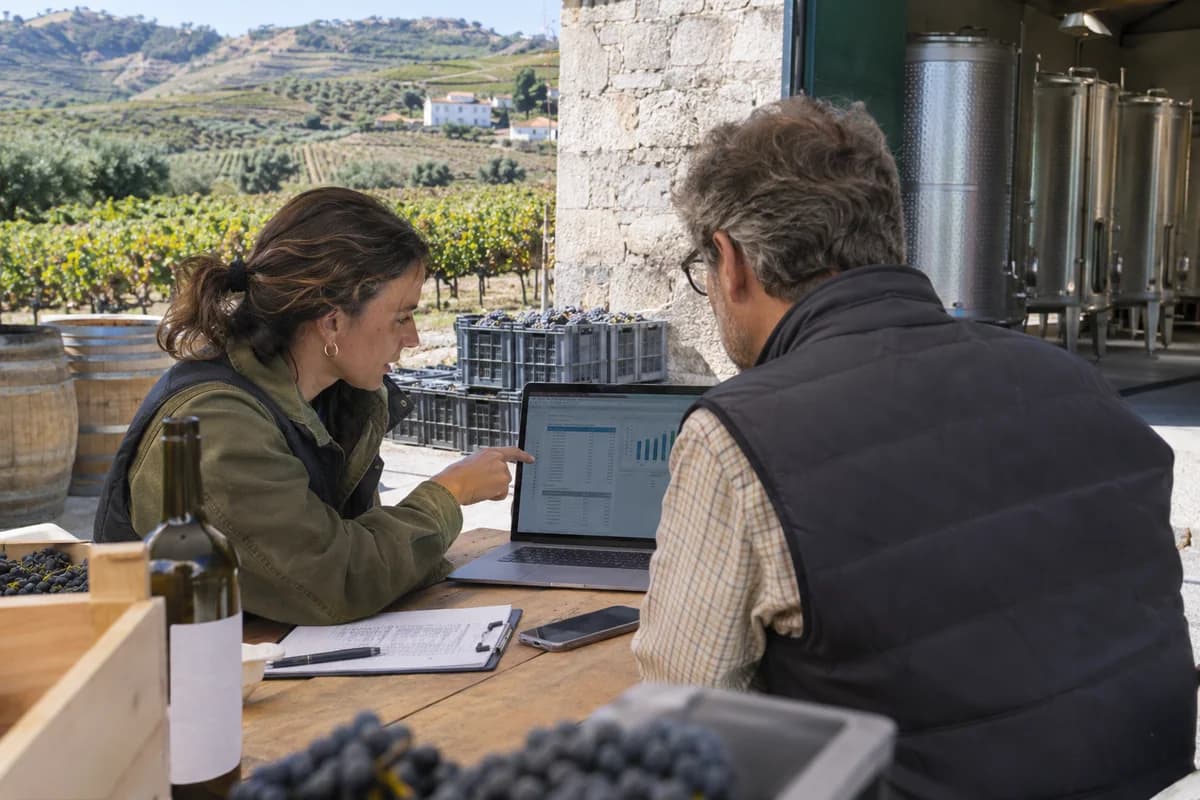
Working with a team in India from Portugal.
Portuguese business has a long coast and a long memory. Vineyards climb the Douro valley. Holiday flats fill the Algarve and the old centre of Lisbon every summer. In the north, around Porto and Braga, factories still cut and sew clothing for brands abroad, and shoe makers ship to buyers across Europe.
Bengaluru is home, and Nagarbhavi is the neighbourhood we work in. We have nobody employed in Portugal and no licence there, and nothing here implies Portuguese customers. We work remotely. Portuguese tax rules on invoicing are strict, so the first question we ask any firm is which certified program issues its invoices today.
What changes when your business is in Portugal.
Hours, money, language and data are decided with you at the start, not discovered later.
What the software has to fit.
The filing cycles, payment habits and licences a small business there already works around.
Trades we write for in Portugal.
Products that fit them.
Capabilities often asked for.
What we would build for Portugal businesses.
Usually in this order, starting with whatever the audit ranks first.
API and System Integration
Connections between existing tools, with record ownership, duplicate handling and reconciliation agreed for each flow.
Learn moreData Migration and Moving Off Spreadsheets
Data migration and spreadsheet replacement covers auditing existing files, cleaning and deduplicating records, loading them into a new system and reconciling the loaded result against known totals. Both systems then run side by side before cutover. Originals stay untouched.
Learn moreGlobal Compliance and Localisation
Software has to change for each country. Currency tables, VAT and sales tax codes, invoice layouts, translation files, storage regions and consent records are built as configuration that your team can edit without code changes. The legal question stays with your adviser.
Learn moreWeb and Mobile Application Development
Web and mobile apps for customers, field staff and dealers, built to work on ordinary phones.
Learn moreMake the scope specific to your business.
Work through a real example from your operation and agree the handoffs, controls and support the project needs.
Certified invoicing
Can you explain the balance from its original documents?
Select a partly settled example in “Certified invoicing”. Ask for the invoice, allocated receipts and remaining balance to be shown together before agreeing the opening figures.
Background reading: ERPNext: outstanding invoices
Tax, payments and advisers
Can the same receipt be allocated without counting the money twice?
Take an unallocated amount in “Tax, payments and advisers” and apply it to the intended balance. Review the remaining amount and the original receipt reference together.
Background reading: ERPNext: payment allocation
Questions from businesses in Portugal.
Is anyone from GullySystem based in Portugal?
No. The work happens in Bengaluru, using screen sharing and email, and if your project needs a person on site, that is raised before anything is signed.
Can your software issue invoices that meet Portuguese rules?
Not on its own. Portugal expects certified billing software, and we hold no such certification. We connect orders, stock and bookings to the certified program you already use.
Does the software support European Portuguese?
Yes. Screens and documents can appear in Portuguese, English or both. Have a Portuguese speaker on your side read each template before guests or buyers ever see it.
How is personal data protected?
Servers stay inside the Union, and staff are shown only the screens that fit their duties. Your adviser sets how long records stay and what the consent text says, and we configure the system accordingly.
Can one calendar take bookings from the portals our guests use?
Yes, where a portal offers a connection we may use. Each has its own terms and limits. We read the terms first and run trial bookings before opening to guests.
When can we meet, given the clocks?
Portuguese mornings fall around our midday, so the shared window is shorter. Live sessions go in the late morning. Urgent faults follow a separate route agreed before launch.
Can one record follow a wine lot from vineyard to bottle?
Yes, a lot carries its vineyard plot, harvest date, tank or barrel moves and bottling run. Labels and shipping papers draw on the same record. Each step is dated.
Can cleaning teams see the booking calendar?
Yes, a cleaner or key handler sees only the arrivals and departures for assigned flats, with check-in times and notes. They tick a flat as ready. The front desk sees that at once, and late guests are told.
Tell us what you run.
Share your requirements and an engineer will read them before getting in touch, at an hour that suits your day.
What happens after you share your requirements
- We review your brief and the systems you already use.
- We clarify the workflow, missing information and the work to consider first.
- The proposed scope sets out the deliverables, responsibilities and dependencies.
- Review the scope and commercial terms before deciding whether to proceed.
Start with your requirements
Describe your current process, the people involved and the change you need. Start with the details you know; we can clarify the rest together.
Share your requirements