ERP, project and service software for Panchkula’s plants and IT offices.
Panchkula has engineering, pharma and food units in Industrial Area Phase I and II, and software and services firms at the Sector 22 IT Park. Older plants sit around Pinjore and Kalka. ERP, project and service software for these businesses is adapted to how each already works, and GullySystem delivers it remotely from Nagarbhavi, Bengaluru.
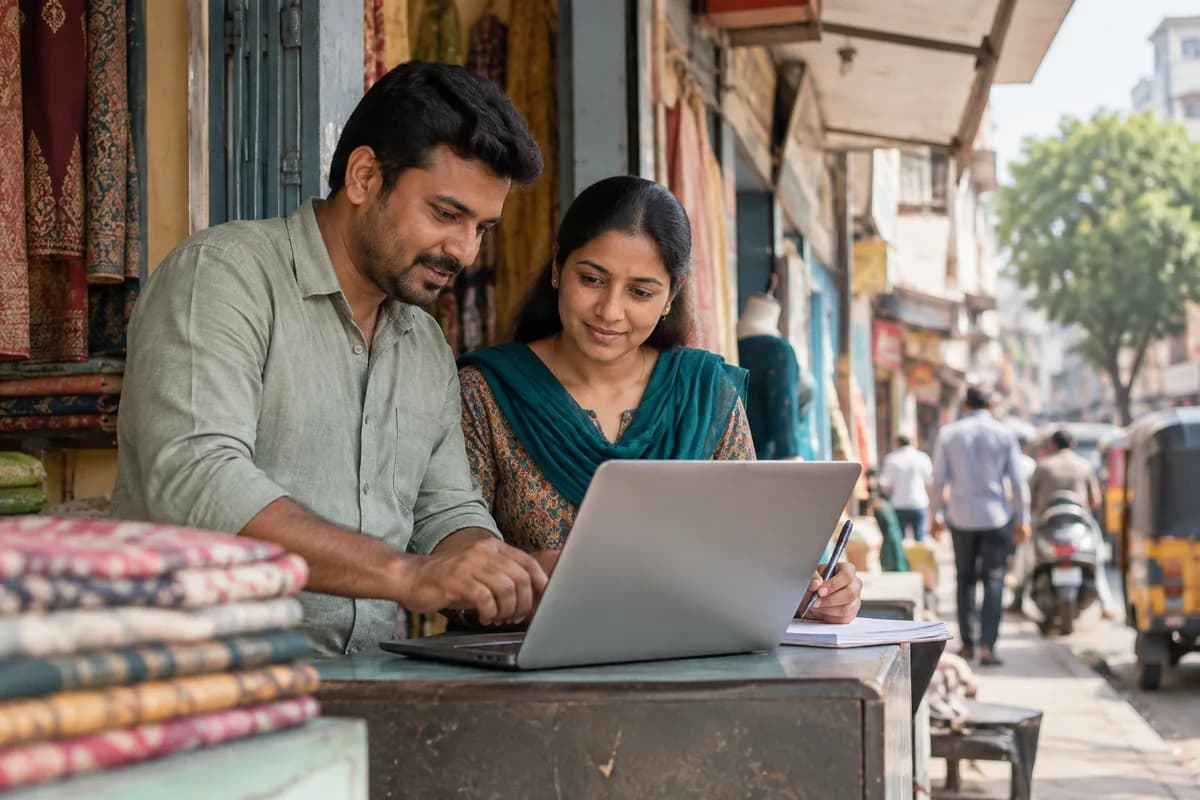
Industrial Area Phase I and II hold engineering, electrical, pharma and food units, many supplying dealers and institutional buyers across north India. Offices in these units are small, and plant records are kept in registers while Tally handles accounts.
The IT Park in Sector 22 and offices across the sectors hold software, services and consulting firms working for customers elsewhere. Pinjore and Kalka add older engineering plants and the road traffic towards Shimla.
The areas, estates and markets that matter in Panchkula.
How Panchkula businesses pick and use software.
Panchkula sits inside the tricity, so businesses often compare quotes from vendors in Mohali and Chandigarh. Support after go-live is a common concern, and it shapes how the work is agreed.
Engineering and pharma units supply institutional buyers who want documents in a set format, and that requirement usually starts the search for software. Format comes first.
IT and services firms look for software when a client asks for time and cost reporting, because hours and costs then need to sit in one record instead of two.
Where Panchkula businesses lose time and money.
Dealer orders are typed twice
Orders arrive by email and are typed into Tally, and the same order is entered again for the dispatch slip. Booking it once and printing both removes the repeat.
Project profit is known after the invoice
Hours are recorded in one sheet and costs in another, and the two meet at quarter-end. A project record with hours and cost against budget shows the position while the work is under way.
Stores issue material without a slip
Material leaves the store on a verbal request and the slip is filled in later, so Tally and the rack disagree. A store issue linked to the job fixes both.
Service calls are tracked on one phone
Warranty and AMC visits are assigned by call and closed by message, so nothing shows how long a complaint stayed open. A service log makes the ageing visible.
What we would build for Panchkula businesses.
Usually in this order, starting with whatever the audit ranks first.
ERP, CRM and Business Software Implementation
One record of stock, orders, customers and accounts, set up so your team opens it every day.
Learn moreBusiness Process Automation
Approvals, reminders, follow-ups and reports that run on their own instead of on someone remembering.
Learn moreData Engineering and Business Intelligence
Dashboards that answer the owner’s Monday questions without anyone building an Excel sheet first.
Learn moreWeb and Mobile Application Development
Web and mobile apps for customers, field staff and dealers, built to work on ordinary phones.
Learn moreHow the work runs from Bengaluru for Panchkula.
- 1
The audit, by call
A screen-share and a look at the sheets, accounting reports and WhatsApp groups your team uses. No travel needed.
- 2
A written proposal
Scope, what we build first and the cost, agreed in writing before anything starts.
- 3
Build in short rounds
Working screens shared every few weeks. Your team tests them from your own office.
- 4
Go-live, in person when it helps
For data migration and training we can come to Panchkula. Travel is agreed in advance.
- 5
Support online
Fixes, changes and hosting handled remotely by the same team that built it.
The work we have published.
We don’t claim Panchkula clients we don’t have. These are systems our team built; the way we work is the same wherever you are.
PetSeva: matching owners to the right vet, at any hour
A two-sided veterinary platform where vets are searchable by specialisation and bookable outside clinic hours. It now carries more than 2,000 veterinary doctors.
Read the case study Paying guest accommodationSAM Atithi Pavathi: bed-level occupancy as the source of truth
PG management software where allocation, rates and invoices are derived from bed-level occupancy and not maintained in parallel spreadsheets.
Read the case study School transport servicesSAM Tours: school transport on a single ledger
Registration, fee collection, routing and finance write to the same records, closing the gap between journeys run and fees collected.
Read the case study Microfinance and Self Help GroupsVikasa RDO: making SHG loan recovery auditable
Loan proposals, recoveries and commissions sit on one record, with a person attached to every state change, so a business handling a bank’s money can show where each rupee went.
Read the case studyQuestions Panchkula owners ask before they call.
Our institutional buyers want documents in their own format. Can the software print those?
Yes. Invoices, challans, test certificates and packing lists are set up in the formats your buyers accept, carrying their own reference numbers, and they print from the same entry, so nothing is retyped.
Our IT firm bills clients by the hour. Can we see profit per project?
Yes. Hours booked by each person, at their cost, sit against the project budget along with other expenses. The work starts with where hours are recorded today. The margin then shows while the project runs, rather than after the last invoice.
What happens after I share my requirements?
An engineer reads what you send and replies within one business day. We then look at the software, spreadsheets and WhatsApp groups your business runs on today and write down what works, what slows your team down and what is missing. A demo login, a screen-share or a few screenshots are enough. You get a short written summary ordered by priority, with no obligation to hire us afterwards.
How much will the software cost?
We don’t publish a price, because it depends on what the system has to do. That first review settles the scope, and the cost goes into a written proposal before any work starts.
Industries we build for in Panchkula.
Elsewhere in Haryana.
Tell us what your Panchkula business runs on today.
Send a short note on the spreadsheets, software or WhatsApp groups your team depends on. We reply the same working day.
What happens after you share your requirements
- A senior engineer reads your answers. Nobody phones first.
- Within one business day you get a written note: what we understood, what we would start with, and the questions we still have.
- If it fits, a proposal follows with the order of work, what we need from you and what you receive at each step.
- No call is booked and nothing is paid until you have read the note. Your details stay with us.
Start with your requirements
Seven short steps that tell us what you need. A senior engineer reads them before anyone gets in touch.
Share your requirements