One record for bays, nutrient rounds, crop cycles, harvest lots and buyer orders.
Run bays, reservoirs, seeding plans, scouting rounds, harvest lots and standing buyer orders from one system. Each crop cycle carries its variety, its nutrient recipe, its treatments and its harvest weights from the seeding tray to the delivery note. Growers log rounds on a phone. The pack house labels every box with a lot code that opens back to the bay. The office plans seeding from the orders already placed.
- Bay map, crop varieties and nutrient recipes entered as your grower runs them
- Buyer list, standing orders and open invoices migrated
- Changes to recipes, limits and pack specs made by GullySystem staff when asked
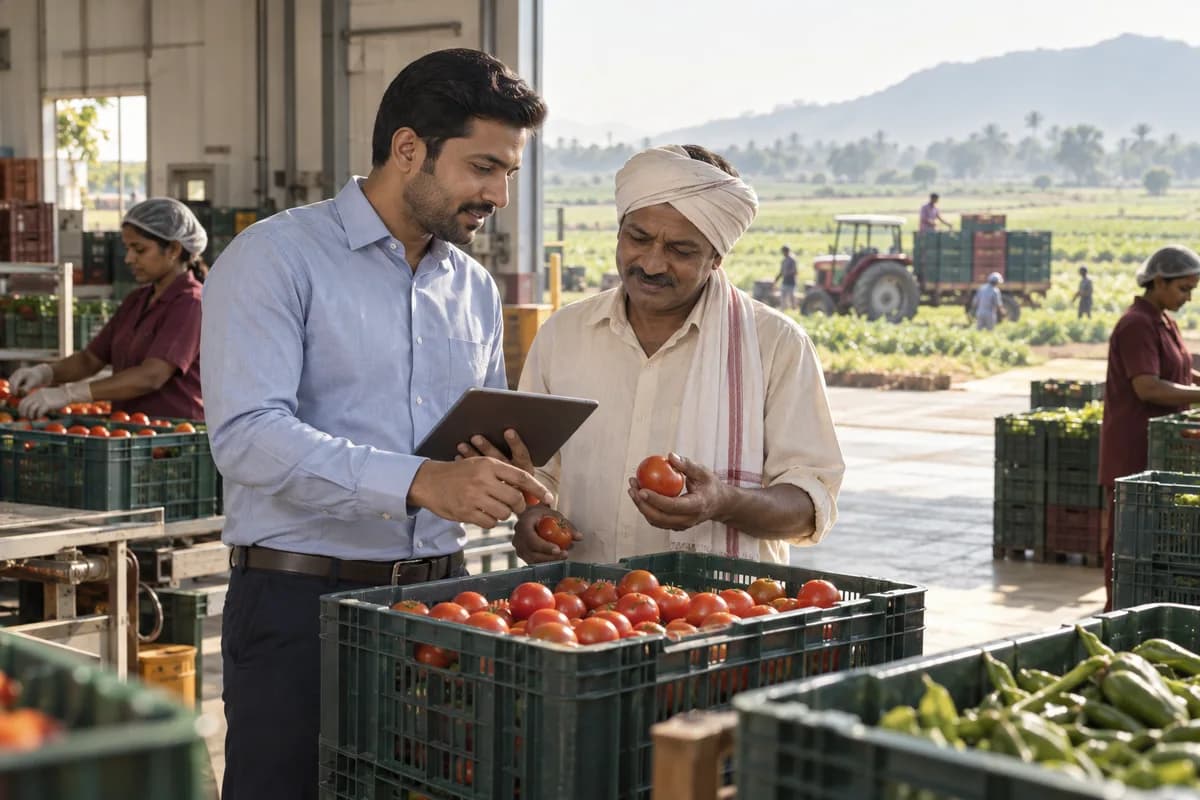
Bays, reservoirs, crop cycles, scouting and harvest lots at a hydroponic or greenhouse farm are recorded together in a GullySystem build. Seeding is planned from standing buyer orders. Nutrient and climate rounds are logged on a phone. Each packed box carries a lot code that opens to its bay, treatments and cut date. Dispatch and rejections follow.
What goes wrong before the software.
How the work flows through it, step by step.
- 1
Plan from orders
Standing orders and expected spot sales are read against variety lead times. The planner shows how many trays of each crop must be sown this week to meet delivery dates.
- 2
Seed and propagate
Seed lots are issued, trays are sown and germination is noted. Seedlings sit in the propagation room under a tray record that holds variety, sow date and expected transplant day.
- 3
Transplant and feed
Trays move to channels, rafts or grow bags in a named bay. Each round records EC, pH and temperature against the reservoir, along with the recipe and stock tank batch in use.
- 4
Scout and treat
Scouts log pests and disease by bay and row. Any treatment carries product, dose, re-entry period and harvest interval, and affected rows are held back from picking until the interval ends.
- 5
Harvest and pack
Pickers cut to the buyer’s spec and the weight is entered per bay. The pack house weighs, labels and chills boxes, each with a lot code that links to the cycle.
- 6
Dispatch and settle
Loads are built from the day’s orders. Rejections and short deliveries are recorded against the lot, and invoices and receipts follow the delivery note.
What is inside.
Every module can be switched on, left out or changed to match how your team already works.
The business modules it is built from.
Each one is also available on its own, or inside a system built for you.
- Production Planning
Standing orders are turned into a sowing plan, with trays per variety counted back from delivery date using the lead time set for each crop.
- Batch and Serial Tracking
Every packed box carries a lot code that opens to the bay, cut date, recipe and treatments, so a retailer’s complaint is answered from the record.
- Quality Control
Weight checks, trimming loss and cold room holds are noted per lot before boxes leave, and second grade stock is tracked separately.
- Stock Tracking and Alerts
Seed, rockwool cubes, net pots, nutrient salts and clamshells carry reorder levels, so the planner is warned before a transplant day is lost.
- Task Management
Each picker and propagation worker gets a list for the day by bay, and rows under a spray interval are left off it.
- Order Management
Weekly orders from kitchens and shops are held with pack sizes and slots, then turned into load sheets and delivery notes.
- Asset AMC Tracking
Dosing units, pumps, fans and chillers keep service dates, and a reminder is raised before a unit falls due for attention.
- Invoice Management
Invoices are raised from delivery notes, credit notes cover rejected boxes, and each buyer’s balance is shown oldest bill first.
How we would put it in.
Setup, data migration, integrations and anything built on top.
One system, each person sees their part.
For owners
Read yield per bay, rejections by buyer, input cost for each crop cycle and unpaid invoices from the office, without walking the greenhouse.
For head growers
Set recipes and limits, review the round log, and decide which bays to plant next from the order book.
For scouts and crew leads
Log pests, treatments and harvest weights on a phone from the row itself. Check which rows are held before sending pickers in.
For pack house staff
Weigh, label and chill boxes with lot codes. Record trimming loss and unsold stock before the day is closed.
For dispatch and accounts
Build loads from standing orders, record rejections, then raise invoices and credit notes from the delivery notes.
The numbers the owner asks for.
- Yield per bay and per crop cycle, by variety
- Reservoir readings against limits, by round and bay
- Treatments applied with re-entry and harvest intervals still running
- Lots packed with trimming loss and unsold boxes
- Rejections and short deliveries by buyer and lot
- Seed germination result by lot and tray batch
- Input stock below reorder level, with open purchase orders
Who this is built for.
- Leafy green farms growing lettuce and herbs in NFT or raft systems
- Greenhouse growers of tomatoes, cucumbers and peppers on grow bags
- Strawberry and berry tunnels on gutters or towers
- Vertical farms that sell to kitchens and shops on a weekly standing order
- Farms that run a propagation room and sell seedlings to other growers
When it is not the right choice.
- A single hobby tunnel with no regular buyers can keep a notebook and a spreadsheet.
- Open field growers who rely on rainfall and soil tests will find Contract Farming Company Management Software or Farm Equipment Dealer Management Software closer.
Adapted to your business before it goes live.
You are not handed a login and left to it. The product is set up around your records, your people and the tools you already use.
Works alongside
- SMS
- Label printer
- Payment gateway
- Accounting export
Questions owners ask before a demo.
Does it plan how many trays to sow?
Yes. Standing orders are read against each variety’s lead time, and the planner shows trays needed by sow date. Your head grower can overrule any figure.
Can it read our dosing controller?
Not by default. Rounds are typed on a phone. A climate or dosing controller can only be connected if its make and output signals allow it, and that link is quoted as a separate item once we have inspected the unit.
Can a rejected box be traced to a bay?
Yes. The lot code on the box opens to the bay, cut date, nutrient recipe and any treatment before harvest. Buyers can be sent that record on request.
Does it stop pickers entering a sprayed row?
It marks the row as held until the interval you entered ends, and held rows drop off the picker’s task list. A person still has to read the list.
Can I run vertical towers and soil-free tunnels together?
Yes. Each bay names its system and holds its own counts, whether that is channels, rafts, bags or towers. Reports can be read per system or across the farm.
What if our connection drops in the greenhouse?
The system runs online, so a round entered with no signal waits until the phone reconnects. Many farms place a hotspot near the bays for this reason.
Can we keep food safety paperwork here?
Yes. Cleaning logs, water test results and training sheets can be attached to the farm or bay. Which documents your auditor expects is set with your own staff.
How are my records returned if I leave?
Files can be produced for bay logs, lots and invoices. Which layout those files take is written into the quote and settled before the build.
How is the farm priced?
The number of bays, the users and any equipment links set the cost. You first see a demo loaded with your crop list, and an itemised offer is sent afterwards.
Wondering what it would cost? Share your requirements and an engineer will come back with a scope.
Businesses that use this.
See Hydroponic and Greenhouse Farm Management Software with your own data.
Tell us how you run things today. We’ll show you the parts that matter to you and say plainly what would need changing.
- No obligation
- A reply within one business day
- Your details stay private
Start with your requirements
Seven short steps that tell us what you need. An engineer reads them before getting in touch.
Share your requirements