Field history, approved inputs and lot trails kept for your inspector.
Manage parcels in conversion, approved input lists, compost batches, seed source statements, harvest lots, cleaning logs, box scheme orders and trade sales in one system. Every crop carries its field history and every pack carries a lot code that leads back to the parcel. Audit files are assembled from records made during the season, and rules are agreed with your own certifier.
- Parcel history and input approvals entered from the documents your certifier holds
- Customer lists, box schedules and open orders migrated
- Changes to approved lists and lot code formats made by GullySystem staff when you ask
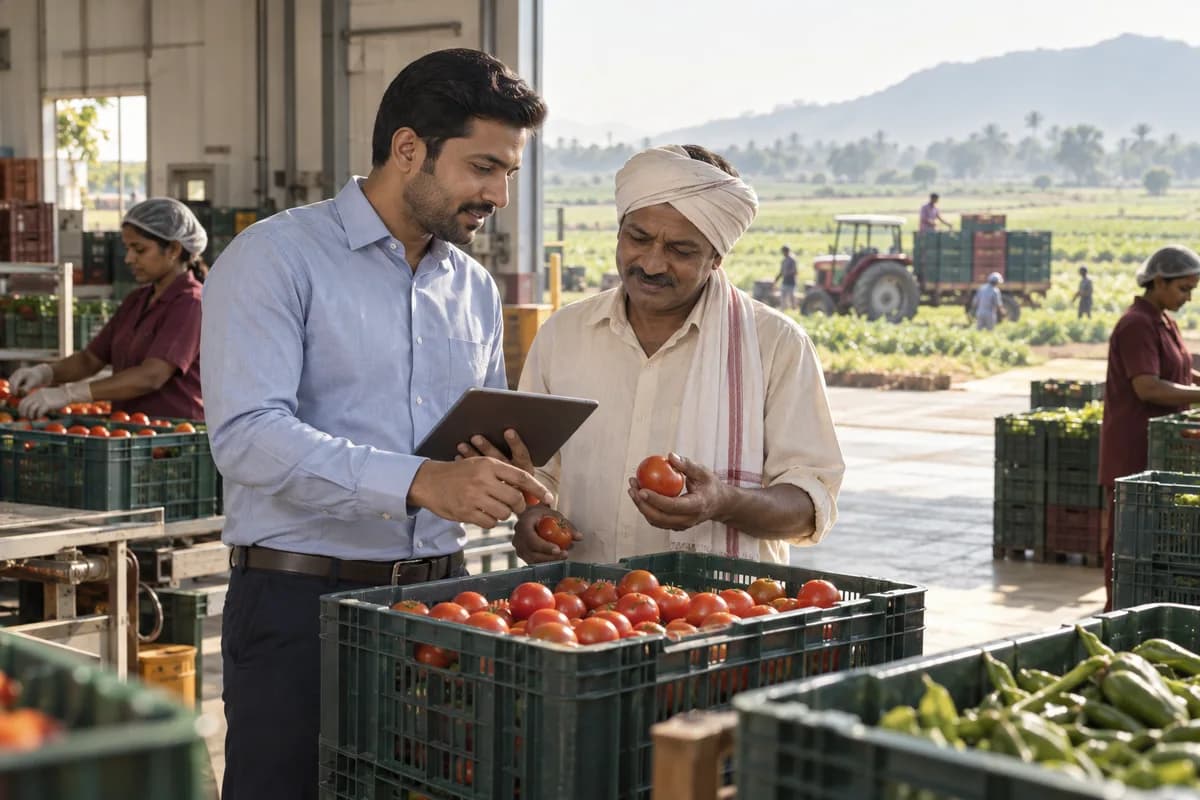
Organic growers hold parcel history, approved input lists, compost batches, harvest lot codes, cleaning logs and customer orders in Organic Farm Management Software, which GullySystem builds around your certification. A lot code runs from field to pack to customer. The audit file is gathered from daily records, using formats agreed with your certifier.
What goes wrong before the software.
How the work flows through it, step by step.
- 1
Parcel set-up
Each parcel is entered with its conversion start date, buffer strips, neighbouring land use and the crops it has carried. Status shows on every screen that touches it.
- 2
Planning and seed
Rotations, cover crops and green manure are planned per parcel. Seed is ordered with the supplier’s organic status statement attached to the line.
- 3
Inputs and compost
Any fertiliser, soil improver or pest control is checked against the approved list before it is recorded. Compost is made in numbered windrows with turning and heat readings.
- 4
Growing and field work
Sowing, weeding, mulching and netting are logged against the parcel. Observations on pests and disease are filed with photographs.
- 5
Harvest and packing
A harvest creates a lot code with parcel, crop and date. Grading, packing and weights are recorded against that lot, after a cleaning record is signed.
- 6
Sale and audit
Orders for boxes, stalls and trade customers are packed from named lots. At audit time the history, statements and trails are printed from one place.
What is inside.
Every module can be switched on, left out or changed to match how your team already works.
The business modules it is built from.
Each one is also available on its own, or inside a system built for you.
- Batch and Serial Tracking
Each harvest becomes a lot with parcel, crop and date, and that code follows the produce through grading, packing and every delivery note.
- Workflow and Approvals
A product outside the approved list stops at a review step, and only the named compliance lead can release it for use on a parcel.
- Document Management
Supplier statements, certificates and organic status notes are filed against the seed lot or input they support, ready when asked.
- Quality Control
Checks on crates, benches and vehicles are signed with a name and date before an organic lot is handled.
- Order Management
Subscriptions, stall counts and trade orders are held as orders, packed from available lots, and closed when delivered.
- Audit Trail
Edits to parcel status, approved lists and lot records are kept with the person and time, so an inspector can see what changed.
- Stock Tracking and Alerts
Packed lots reduce as they are dispatched, and a delivery note lists the lot codes sent to each shop or wholesaler.
How we would put it in.
Setup, data migration, integrations and anything built on top.
One system, each person sees their part.
For growers and owners
See parcel status, lots in store, orders open and findings still to close. Review the audit file before the inspector arrives.
For the compliance lead
Keep the approved list, review new products and answer certifier questions from the record.
For field crews
Log sowing, mulching, weeding and harvest on a phone, and tag crates with the lot code from the screen.
For packing shed staff
Sign cleaning checks, record grading and pack orders from the lots shown as available.
For the sales desk
Manage box subscribers, stall counts and trade orders, and send delivery notes with the lot codes already printed.
The numbers the owner asks for.
- Parcel history for any chosen number of years, with crops, inputs and cover crops
- Inputs applied by product, parcel and date, with approval reference
- Compost batches with source, turning and heat readings, and where each was spread
- Lot trail from parcel to pack to customer, forwards and backwards
- Cleaning and segregation checks by date and person
- Box scheme subscribers, pauses and deliveries by round
- Open corrective actions from the last inspection
Who this is built for.
- Vegetable growers who sell boxes, stall produce and trade orders under an organic standard
- Mixed holdings with parcels at different conversion stages
- Orchards and berry growers that pack on the farm and supply retailers
- Cereal and pulse farms that grow to organic specifications for mills and food makers
- Cooperatives that gather produce from several organic members
When it is not the right choice.
- A hobby plot selling a few jars at a gate rarely needs an audit-ready system.
- Conventional arable farms that care mostly about bins and grain contracts will find Crop Farm Management Software closer.
Adapted to your business before it goes live.
You are not handed a login and left to it. The product is set up around your records, your people and the tools you already use.
Works alongside
- Label printer
- SMS and messaging
- Payment gateway
- Accounting export
- Spreadsheet import
Questions owners ask before a demo.
Will this software certify our farm as organic?
No. Only your certifier can do that. The system keeps the records they ask to see, in a layout reviewed with them, so the visit starts from the file and not from a search.
How does it stop a banned product being used?
Every input is compared with the dated approved list when it is recorded against a parcel. An unlisted item is held for review by the person you name as the compliance lead.
Can a conversion parcel be kept apart from full organic ground?
Yes. Each parcel carries its status, and lots from it inherit that status through grading, packing and sale. Labels and delivery notes show the wording you agreed.
How does a recall trace work?
A lot code leads to the parcel, the compost and inputs used, the pack date and every customer who received it. Starting from a parcel gives the reverse view.
Does it handle weekly boxes with swaps and pauses?
Yes. Each subscriber has a box size, a delivery day and a list of dislikes or swaps. A pause is entered once and skipped in the packing list until it ends.
Can field crews record work without office staff?
Yes. Crew members open the parcel on a phone, log what they did and attach a photo. A weak signal means entries are saved when the crew is back in range.
What do we have to supply for set-up?
Parcel maps or lists, certificates, the approved list, last year’s rotation and your customer lists. Training for field, shed and office staff is part of the project.
Who owns the records?
The farm does. A copy of parcel history, lot trails and inspection files can be handed over in spreadsheet and PDF form, as the project agreement describes.
How is the price set?
Parcels, selling outlets and users set the figure. You see a demonstration with sample lots first, and a written quotation comes after.
Wondering what it would cost? Share your requirements and an engineer will come back with a scope.
Businesses that use this.
See Organic Farm Management Software with your own data.
Tell us how you run things today. We’ll show you the parts that matter to you and say plainly what would need changing.
- No obligation
- A reply within one business day
- Your details stay private
Start with your requirements
Seven short steps that tell us what you need. An engineer reads them before getting in touch.
Share your requirements